
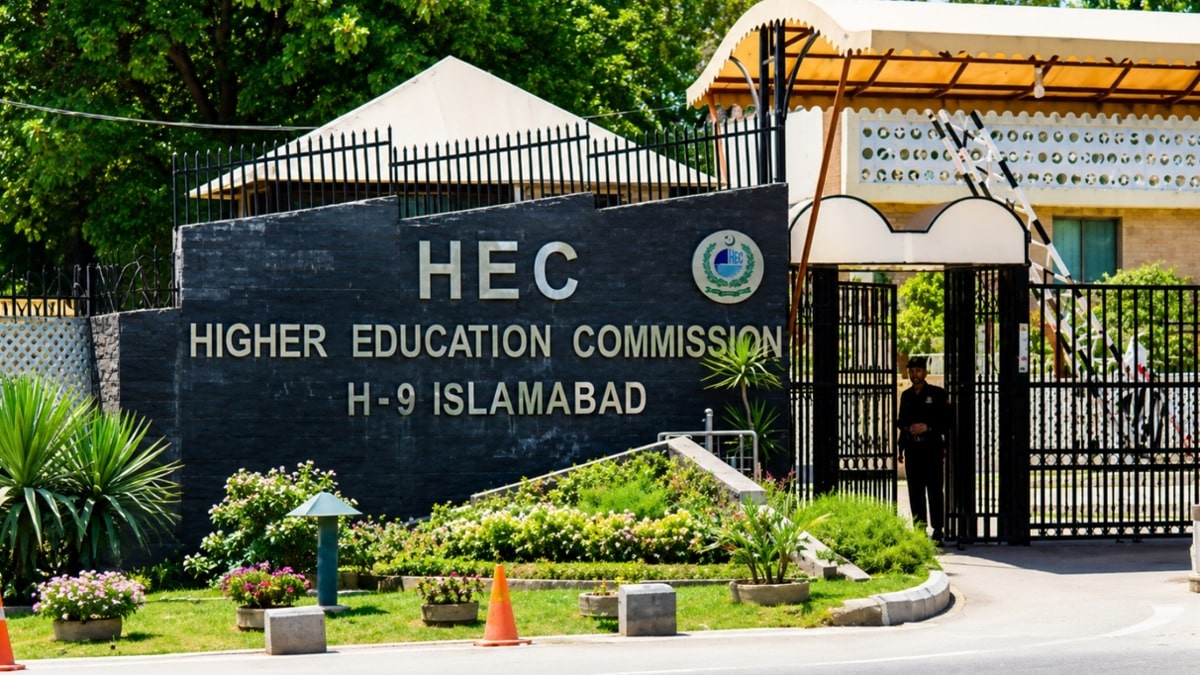
Precision in institutional communication serves as the baseline for digital trust within Pakistan’s academic ecosystem. Consequently, the Higher Education Commission (HEC) has deployed a critical HEC Scam Advisory to neutralize sophisticated phishing attempts targeting the public. This strategic alert addresses a surge in fraudulent activities where criminals impersonate high-ranking officials to extract sensitive financial data from unsuspecting citizens.
The Anatomy of the HEC Scam Advisory
Sophisticated scammers are currently executing calibrated impersonation tactics to deceive the public. These individuals falsely claim to represent the HEC, attempting to acquire PINs, passwords, and sensitive personal details. However, the commission has clarified its operational parameters with absolute precision. Specifically, the HEC never requests monetary transfers or private security credentials via telephone or unauthorized social media channels.
Furthermore, the commission does not authorize any third-party organizations to contact citizens on its behalf regarding personal information. To maintain system efficiency, citizens must treat any unsolicited request for financial data as a structural breach of security. The HEC emphasizes that authentic services are only accessible through its verified, official communication channels.
Strategic Reporting and Response Protocols
Maintaining national cyber-stability requires a proactive reporting culture among the digital populace. If you encounter a suspicious call referenced in the HEC Scam Advisory, you must initiate a multi-layered reporting sequence. First, notify your telecom operator to flag the fraudulent number. Subsequently, register a formal complaint with the Pakistan Telecommunication Authority (PTA) to ensure regional blocking.
- Cyber Crime Intervention: Contact the Federal Investigation Agency’s (FIA) National Cyber Crime Response Centre (NCCRC).
- Financial Recovery: Report any actual monetary loss immediately to the State Bank of Pakistan (SBP).
- Verification: Cross-reference all incoming directives with the official HEC website.
The Situation Room
The Translation
The logic behind this advisory stems from a shift in “Social Engineering” tactics. Scammers are no longer just using generic scripts; they are leveraging the authority of the HEC to create a false sense of urgency. By translating this threat into a clear advisory, the HEC is shifting from a passive stance to a calibrated defense of the citizen’s digital identity.
The Socio-Economic Impact
This development directly impacts the financial security of Pakistani households and students. In an economy moving toward digitalization, trust is the primary currency. Consequently, these scams threaten to marginalize vulnerable populations who may become hesitant to use legitimate digital educational services. Protecting these individuals ensures that the “Digital Pakistan” vision remains inclusive and secure.
The Forward Path
This advisory represents a Momentum Shift toward proactive institutional transparency. While the threat persists, the structured collaboration between the HEC, FIA, and PTA signals a more integrated approach to national cybersecurity. Moving forward, the baseline for safety will be continuous public education rather than just reactive warnings.








