
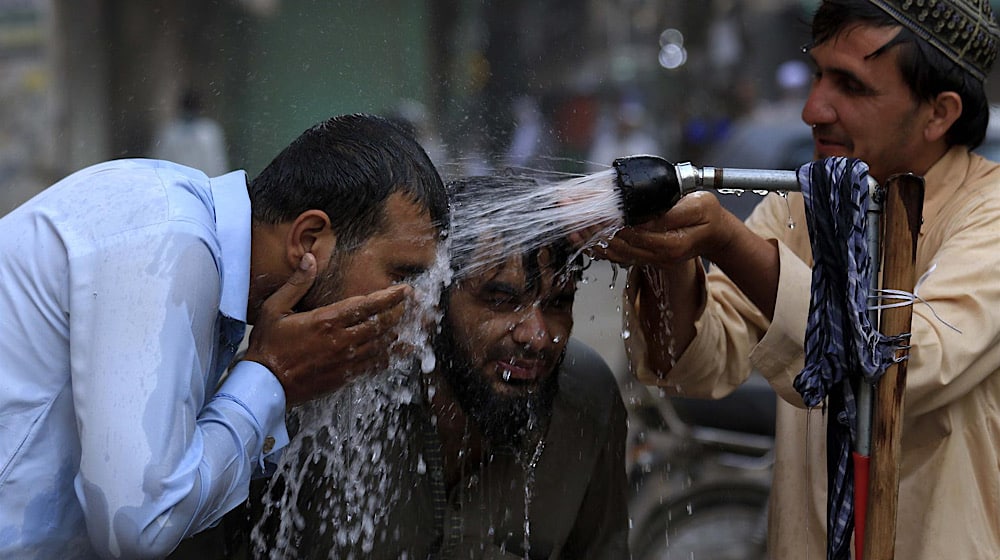
National resilience faces a calibrated test as atmospheric data indicates a surge in thermal levels across the region. The intensifying heatwave conditions in southern Punjab, Sindh, and Balochistan demand a strategic shift in public health protocols. Senior meteorologist Muhammad Aslam warns of a 3 to 4-degree temperature increase following May 6, necessitating precise protective measures for all citizens.
Tactical Measures for Intensifying Heatwave Conditions
The projected thermal peak occurs between 10 am and 4 pm. Consequently, individuals must limit outdoor exposure during these hours to maintain physiological stability. Furthermore, clinical data shows a direct correlation between rising temperatures and hospital admissions. Experts recommend wearing light-colored fabrics and utilizing head protection to mitigate direct solar radiation impact.
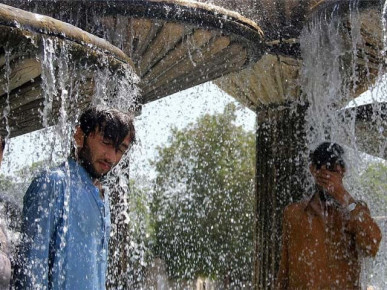
Effective hydration serves as the primary baseline for survival during extreme heat. Experts advise the consumption of natural fluids, specifically sugarcane juice, to replenish essential electrolytes. Additionally, motorists must perform vehicle maintenance to prevent mechanical failures during peak thermal hours. Ensuring your vehicle is calibrated for high heat is essential for safety.
The Translation (Clear Context)
This meteorological shift signifies more than just hot weather; it represents a structural challenge to our public health system. When temperatures rise by 3-4 degrees, the body’s cooling mechanism reaches a critical baseline. Therefore, hydration through natural fluids acts as a biological catalyst to prevent heat exhaustion. The instructions provided by the Met Department are not merely suggestions but vital parameters for survival.

The Socio-Economic Impact
This thermal surge disrupts the operational efficiency of several sectors across Pakistan. For farmers, livestock health is a primary concern, as animals require calibrated hydration and shade to survive the intensifying heatwave conditions. In urban centers, the demand for water and electricity spikes, straining municipal resources. Furthermore, the vulnerability of students and outdoor professionals increases, requiring a systemic adjustment in working hours and outdoor activity.
The Forward Path (Opinion)
This development represents a Stabilization Move. While the heatwave is a predictable seasonal occurrence, the increasing intensity requires a structural refinement of our national early warning systems. Following the Met Department advisories is no longer optional; it is a fundamental requirement for national safety. We must move toward more sophisticated urban planning that accounts for these thermal surges as a permanent variable in our climate equation.








