
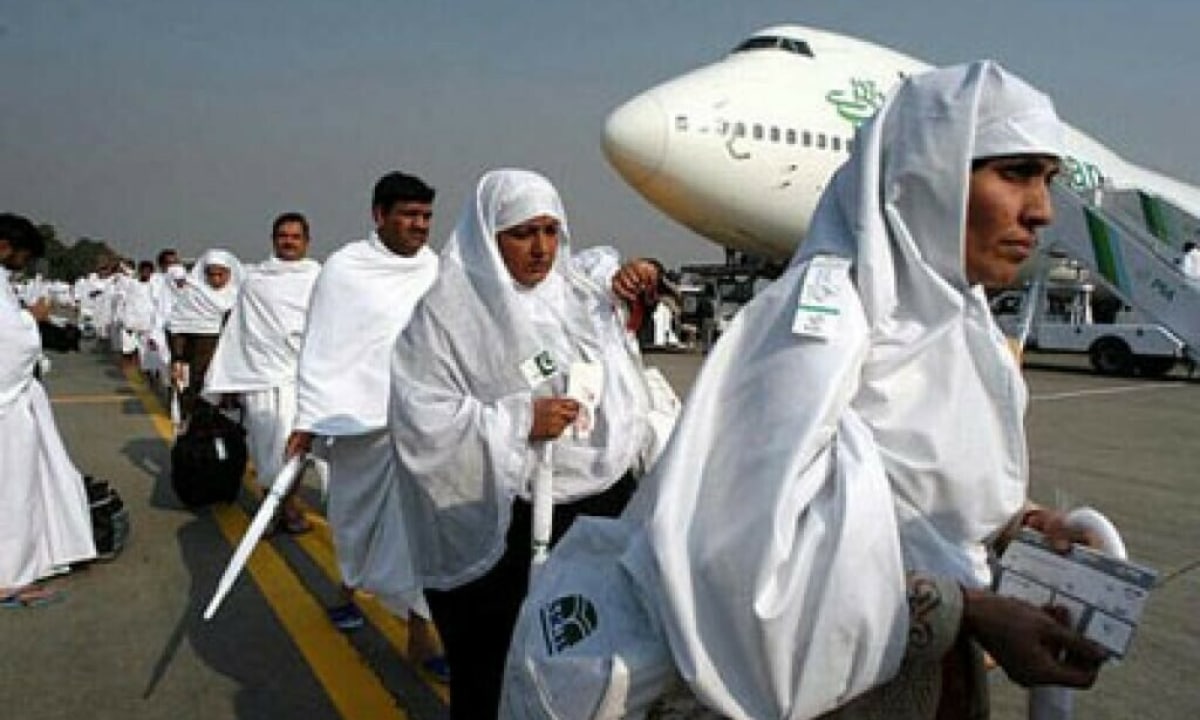
The Hajj Operation 2026 has entered its calibrated final phase as the Ministry of Religious Affairs optimizes the repatriation process for Pakistani pilgrims. Currently, 46% of travelers have successfully returned home, signaling a high-efficiency baseline for this year’s logistics engine. Ministry spokesperson Omar Butt confirmed that the focus is shifting toward Madinah to ensure a disciplined conclusion to the season.
Calibrating the Final Flight Corridors in Madinah
Within the next 72 hours, the Ministry will terminate field operations in Makkah and transition all remaining resources to Madinah. Consequently, the structural focus of the Hajj Operation 2026 now centers on the 55,000 pilgrims remaining in Saudi Arabia. Approximately 28,000 individuals are currently moving from Makkah to Madinah, while 27,000 are already in the city performing Ziyarat at Roza-e-Rasool (PBUH).
Furthermore, the administrative support framework is scaling down in lockstep with pilgrim departures. Specifically, 51% of medical teams and Hajj assistants (Khudam-ul-Hujjaj) have already returned to Pakistan. The remaining staff will maintain operational readiness until the final aircraft departs. This phased withdrawal ensures that the quality of service remains high even as the volume of pilgrims decreases.
The Translation (Clear Context)
In technical terms, the Hajj Operation 2026 is moving from a multi-city management model to a single-hub logistics pipeline. While Makkah serves as the primary ritual site, Madinah acts as the secondary spiritual center and the ultimate exit point for the government’s flight scheme. Shifting staff and resources to Madinah prevents “logistics bloat” in Makkah while concentrating medical and administrative support where the pilgrims actually are.
The Socio-Economic Impact
This systematic repatriation directly impacts thousands of Pakistani households by providing predictable arrival windows. Efficient scheduling reduces the financial anxiety associated with extended stays and minimizes the strain on the national exchequer regarding staff deployment costs. For the students and professionals returning, this precision ensures a smoother transition back into the domestic workforce and academic cycles.
The Forward Path (Opinion)
This development represents a Momentum Shift in Pakistan’s ability to manage large-scale international logistics. The Ministry’s decision to scale down administrative staff by exactly 51% reflects a data-driven approach rather than a reactive one. While many view this as merely the end of a trip, it is actually a demonstration of structural maturity in our national administrative systems. The final flight from Jeddah on June 16 and the concluding Madinah flight on June 30 will likely set a new benchmark for future operations.








