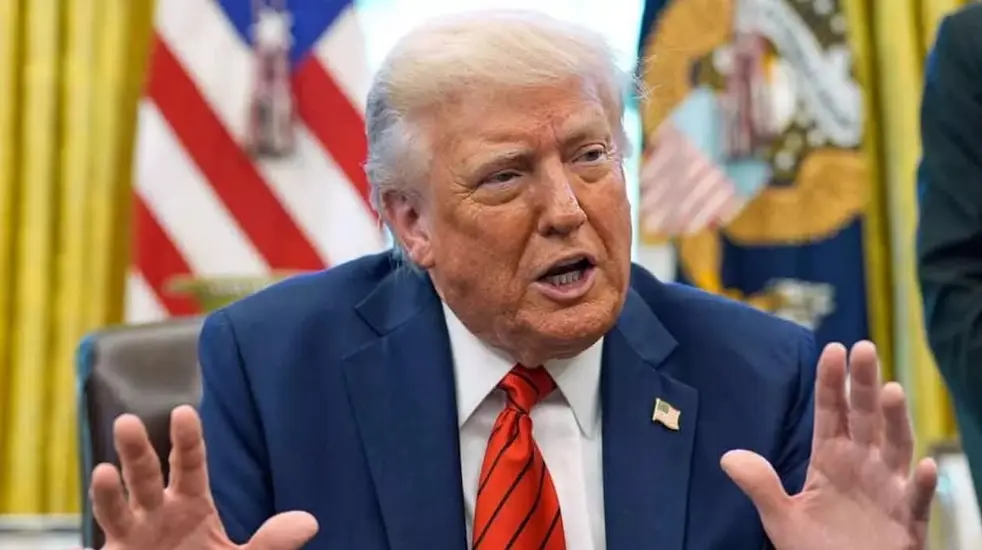
Regional power dynamics are currently undergoing a structural recalibration. Iran’s new Supreme Leader, Mojtaba Khamenei, recently challenged the stability of the US Middle East presence, labeling Washington’s continued influence a “naive fantasy.” This calibrated rhetoric signals a potential escalation in Tehran’s strategic opposition to Western military deployment across the region.
The Recalibration of US Middle East Presence
Mojtaba Khamenei utilized a public platform to issue a precision-targeted warning. He asserted that the United States no longer maintains a trouble-free or domineering footprint in the Middle East. Consequently, this statement marks a significant baseline for his administration’s foreign policy. The timing is critical, as diplomacy between the two nations has reached its lowest historical point following recent kinetic engagements involving energy and shipping infrastructure.
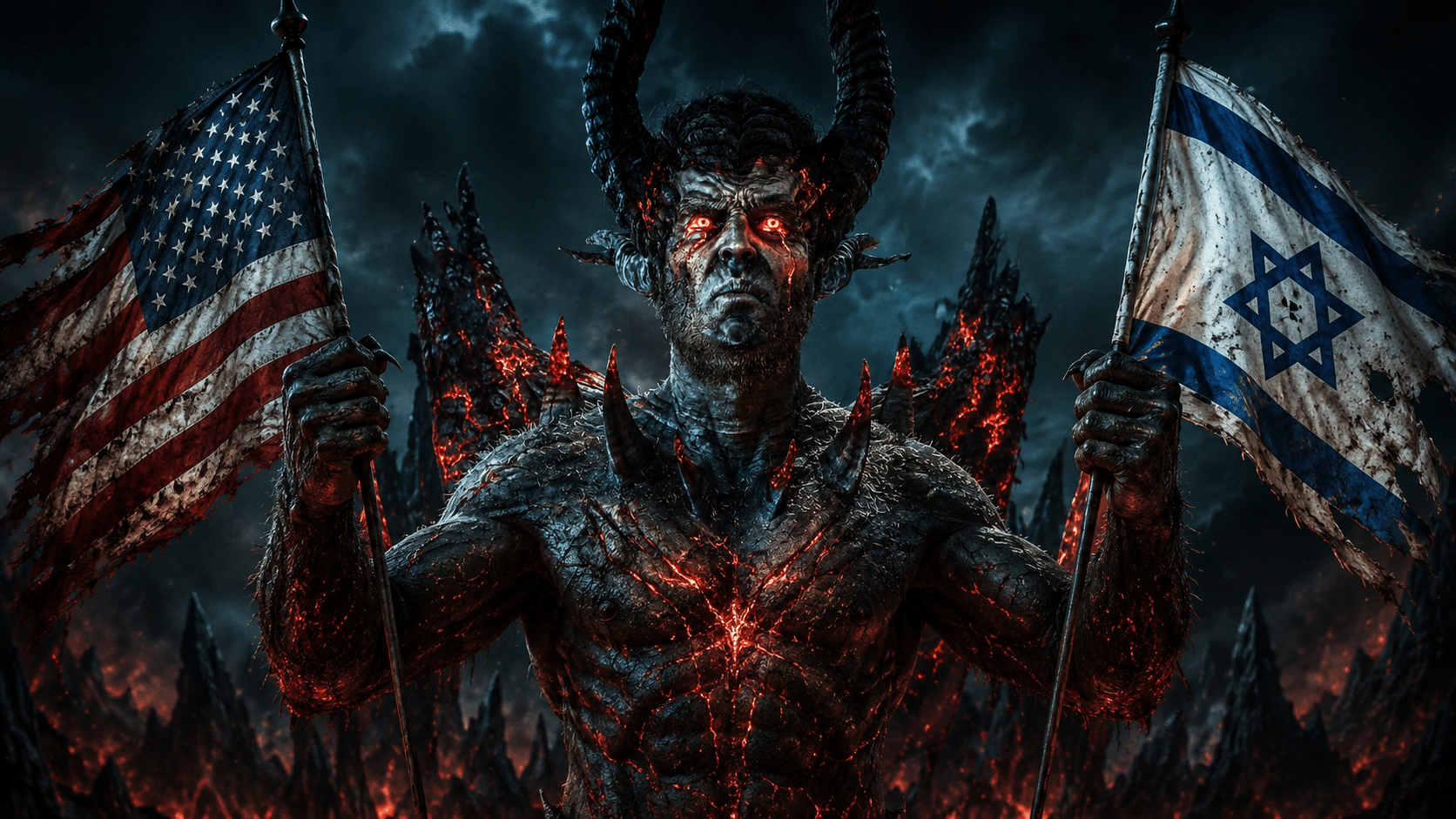
Furthermore, the transition of leadership from the late Ayatollah Ali Khamenei to Mojtaba Khamenei serves as a catalyst for renewed ideological hardening. The persistent use of the term “Great Satan” functions as a strategic linguistic marker. It reinforces Iran’s decades-old commitment to removing Western tactical assets from its immediate borders.
The Translation (Clear Context)
Behind the intense rhetoric lies a specific geopolitical logic. By dismissing the American presence as a “naive fantasy,” Khamenei is highlighting a perceived decline in Western deterrence. This shift suggests that Iran intends to leverage its regional proxies more aggressively to create a high-friction environment for American forces. Essentially, Tehran is signaling that the era of uncontested naval and aerial dominance in the Gulf is ending.
The Socio-Economic Impact
For the average Pakistani citizen, this development creates direct structural risks. Increased tension in the Persian Gulf often leads to volatility in global oil benchmarks, which translates to higher fuel prices and inflation at local petrol pumps. Furthermore, any disruption in regional shipping lanes threatens the supply chain of essential goods. For Pakistani professionals working in the Middle East, this regional instability requires a more cautious approach to long-term financial planning and career security.
The Forward Path (Opinion)
This development represents a Momentum Shift. The rise of Mojtaba Khamenei suggests that Iran is moving away from stabilization and toward an assertive regional posture. While the language is aggressive, it reflects the reality of a multi-polar regional order where US influence is no longer the sole governing force. Pakistan must now calibrate its own diplomatic and economic strategies to navigate this intensifying rivalry without compromising its own national interests.