
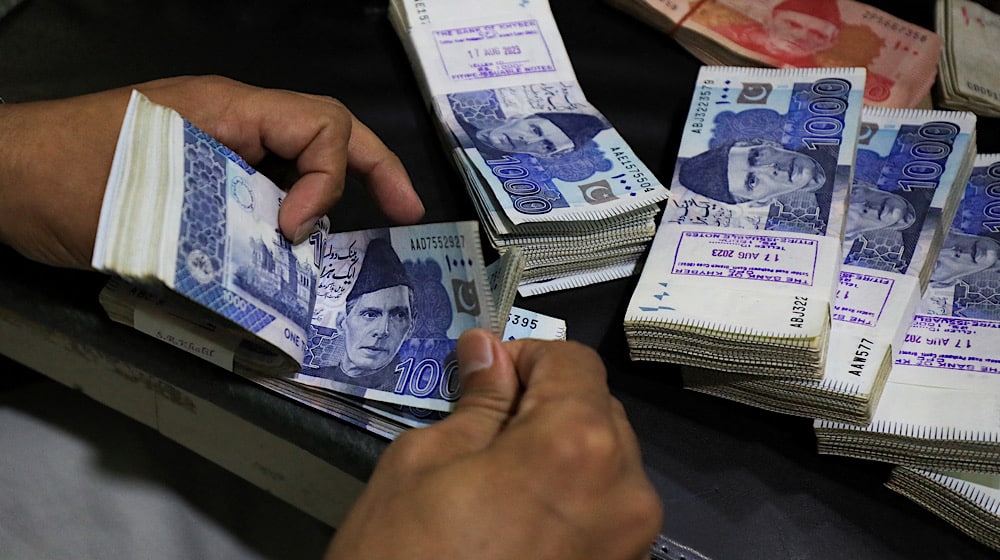
Pakistan’s strategic national advancement hinges on efficient resource allocation. However, recent data indicates a significant challenge in Pakistan Development Spending, with the government utilizing less than half of its allocated development budget—specifically 41.5 percent—within the initial nine months of the current fiscal year. This underutilization of the Public Sector Development Programme (PSDP) signals systemic inefficiencies, raising critical questions about project execution and the nation’s infrastructural progress.
The Translation: Deconstructing Budgetary Discrepancies in Pakistan
The Ministry of Planning and Development’s data reveals a stark contrast in expenditure patterns. From July to March, total PSDP spending amounted to Rs. 415 billion against an annual allocation of Rs. 1 trillion. Even after a calibrated reduction of Rs. 90 billion to finance fuel subsidies, utilization merely improved to 45.6 percent of the revised Rs. 910 billion envelope. Consequently, this demonstrates a substantial gap between planned investments and actual project implementation, impacting various critical sectors.
Parliamentary Schemes vs. National Infrastructure Utilization
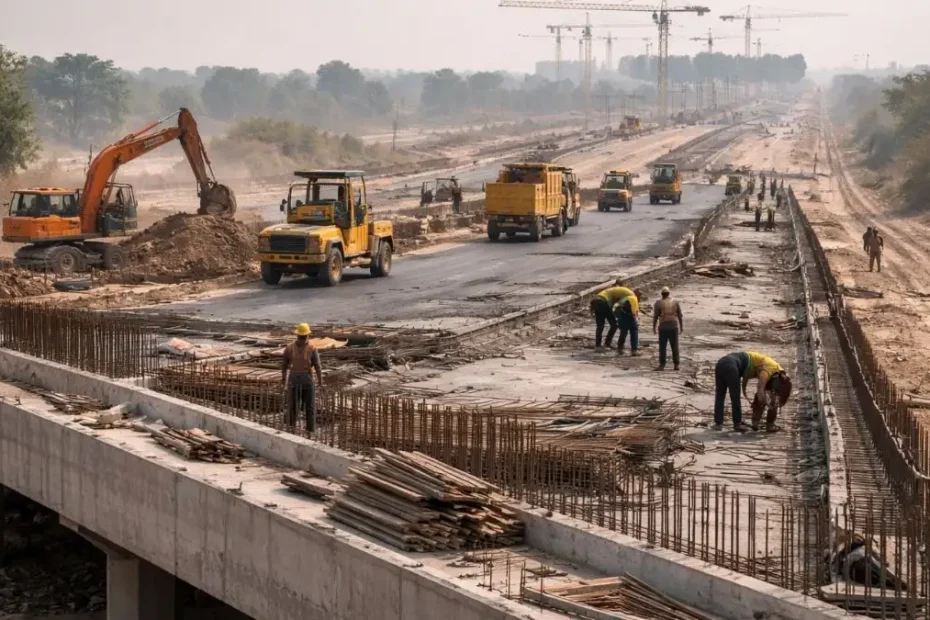
A notable disparity emerges when examining specific programs. For instance, the Sustainable Development Goals Achievement Programme, which encompasses parliamentarians’ development schemes, achieved nearly 70 percent utilization of its Rs. 63.24 billion revised allocation within approximately four months. In contrast, major infrastructure sectors exhibited significantly weaker performance, highlighting an imbalance in project execution priorities. Therefore, a re-evaluation of resource distribution mechanisms is critically important.
- National Highway Authority: Utilized only 36 percent of its revised allocation.
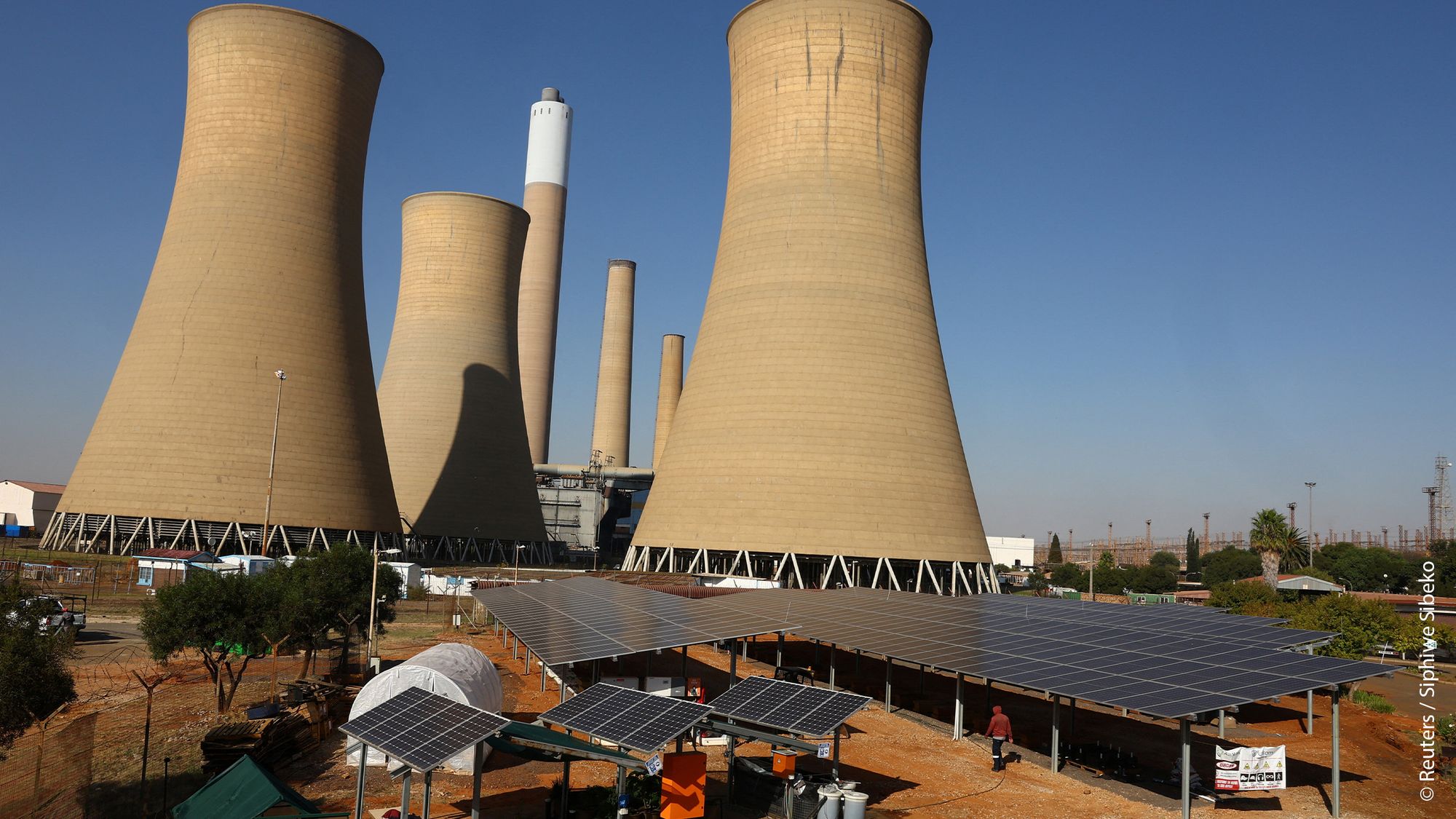
- Power Sector: Spent approximately 50 percent of its allocated funds.
- Housing, Health, and IT: Experienced particularly low utilization, ranging from 13 percent to 28 percent.
This differential spending trajectory underscores a need for rigorous oversight and enhanced project management. Furthermore, the government’s own quarterly release plan mandated a 75 percent budget utilization by March, implying a shortfall of approximately Rs. 267 billion based on the revised PSDP size. This discrepancy requires immediate structural attention.
The Socio-Economic Impact: Daily Life & Development Trajectories
The underutilization of Pakistan Development Spending directly translates into tangible impacts on the daily lives of Pakistani citizens. For urban and rural households, delayed infrastructure projects mean prolonged waits for improved roads, consistent power supply, and enhanced public services. Students face slower advancements in digital infrastructure and educational facilities, while professionals contend with inadequate transportation networks that impede economic mobility and productivity. Consider the implications of stagnant housing and healthcare investments; these directly affect quality of life metrics and long-term national well-being. Therefore, efficient budget utilization is not merely an accounting exercise; it is a direct determinant of citizen welfare and progress.
The Forward Path: Momentum Shift or Stabilization Move?
This budgetary performance represents a Stabilization Move, albeit an inefficient one, rather than a decisive Momentum Shift for Pakistan’s development trajectory. While a portion of the budget was strategically reallocated for fuel subsidies—a stabilization measure—the overall underutilization points to structural impediments in project planning and execution. Consequently, the disparity between rapid spending on parliamentary schemes and the sluggish progress in critical infrastructure sectors highlights a crucial need for recalibration. A true momentum shift demands a robust, transparent, and efficiently executed PSDP that prioritizes national strategic assets over localized, politically driven initiatives. Precision in fiscal deployment is paramount for accelerated national progress.









