
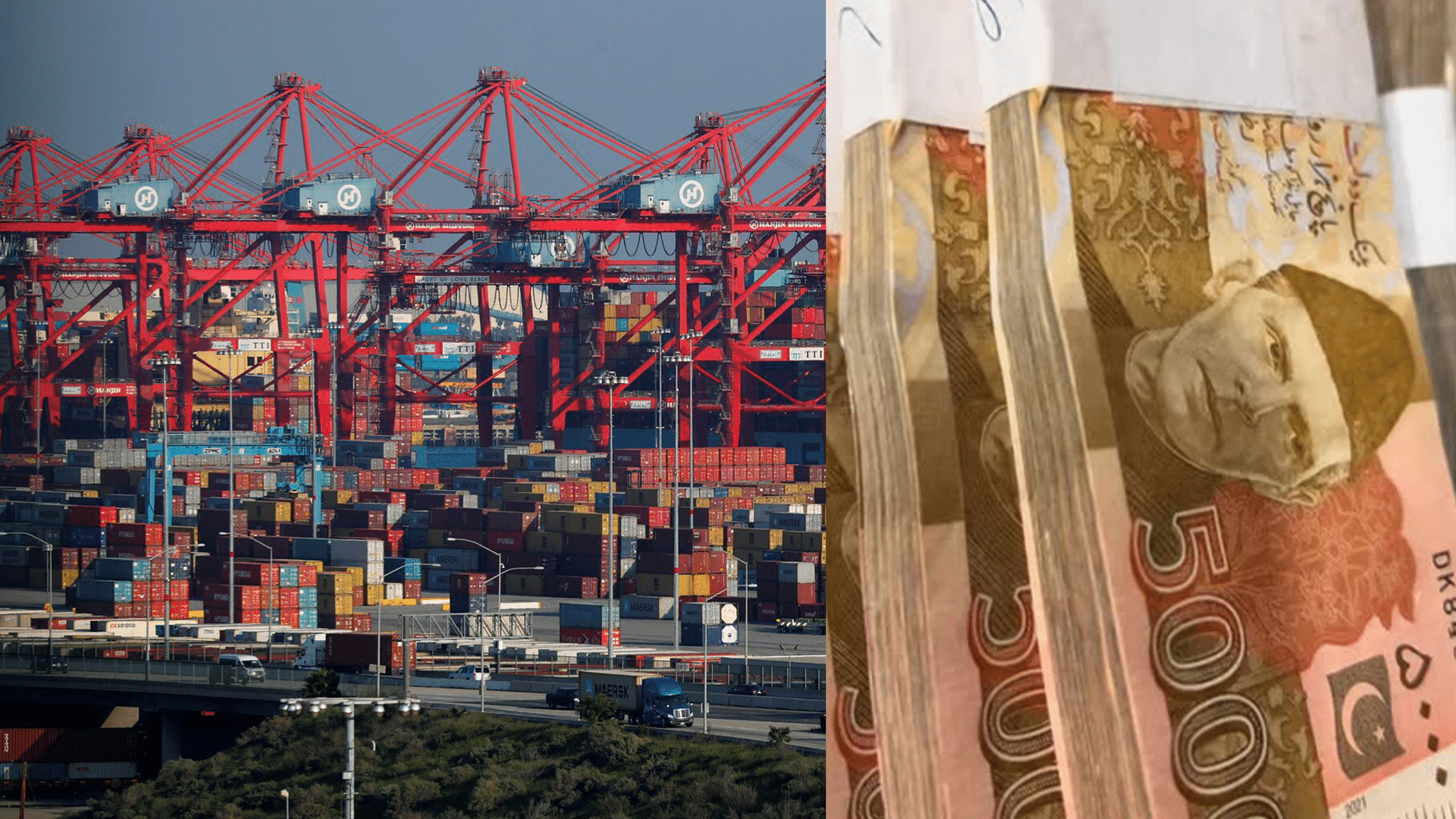
The federal government has initiated a calibrated shift in the nation’s fiscal framework by deciding to drastically reduce Pakistan import taxes by over 50% under the National Tariff Policy 2025–30. This strategic architecture aims to lower trade costs, catalyze industrial efficiency, and ensure the local market remains globally competitive. By reducing these structural barriers, the government intends to stimulate a surge in economic activity across multiple sectors.
Structural Shifts in Pakistan Import Taxes
The proposed five-year policy introduces a phased reduction of customs duties, regulatory duties, and additional customs duties. Consequently, the state expects the overall average tariff to drop from a baseline of 20.19 percent to a streamlined 9.70 percent. While these reforms will initially reduce government revenue by an estimated Rs. 143 billion, the precision of this move is designed to encourage high-volume trade and improve systemic competition.
Precision Targets for Tariff Reform
Under the new strategic roadmap, the government has established specific benchmarks to ensure a stable transition for the industrial sector. These calibrated adjustments include:
- Customs Duty Cap: Maximum rates will be strictly limited to 15 percent within the five-year window.
- Regulatory Duty Limitation: These duties will be restricted to 20 percent before being phased out entirely.
- Additional Customs Duties: Currently reaching 6 percent, these will be gradually eliminated to lower the cost of doing business.

The Situation Room: Analysis
The Translation (Clear Context)
In simple terms, the government is lowering the “entry fee” for goods coming into the country. Currently, high tariffs act as a protectionist wall that often makes raw materials and finished goods more expensive. By slashing Pakistan import taxes, the state is betting that increased trade volume and cheaper industrial inputs will outweigh the immediate loss in tax revenue. This is a transition from a revenue-focused customs model to a growth-focused trade model.

The Socio-Economic Impact
For the average Pakistani citizen, this policy serves as a catalyst for lower consumer prices. As import costs fall, the price of everything from electronics to essential industrial components should stabilize. For students and young professionals, this move signals a more open economy with increased opportunities in logistics, trade, and manufacturing. It shifts the burden away from the consumer and forces local industries to innovate through competition.
The “Forward Path” (Opinion)
This development represents a significant Momentum Shift for Pakistan. Moving away from heavy reliance on import duties for revenue is a bold stabilization move that prioritizes long-term systemic health over short-term fiscal gains. If implemented with precision, this policy will calibrate Pakistan’s trade environment to mirror successful emerging markets, providing a baseline for sustainable industrial expansion.









