
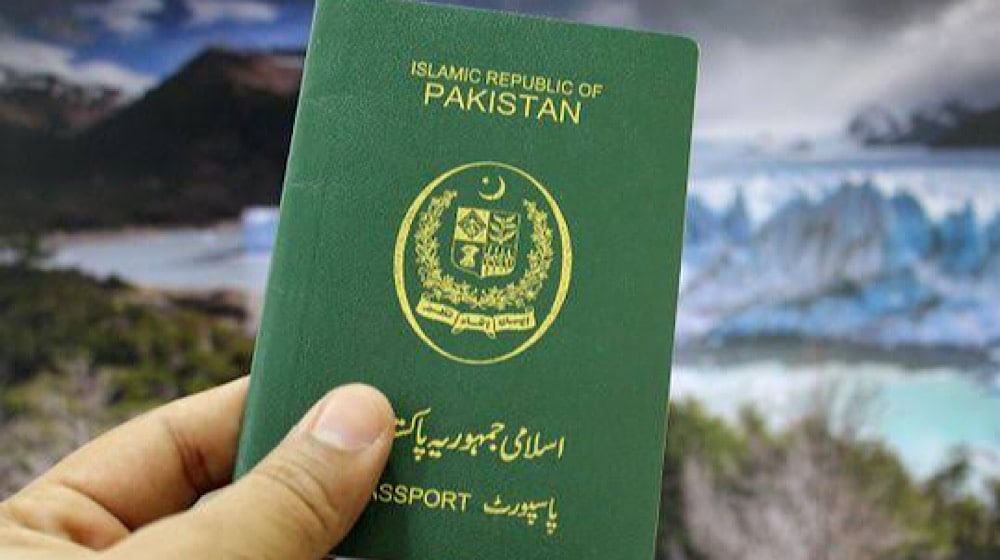
Pakistan is witnessing a strategic calibration of its public service infrastructure. The Directorate General of Immigration and Passports is preparing to launch a nationwide passport home delivery service. This initiative serves as a catalyst for modernizing document logistics, effectively removing the requirement for citizens to physically visit regional offices for collection. Director General Muhammad Ali Randhawa confirmed that the department is currently finalizing a strategic partnership with a courier service to execute this baseline shift in operational efficiency.
The Mechanics of Passport Home Delivery
The new system operates on a decentralized logistics model. Once the agreement is finalized, the department will dispatch travel documents directly from the central hub in Islamabad. Consequently, this procedural upgrade reduces the structural burden on local passport offices and mitigates congestion. Furthermore, the service will initially deploy within domestic borders, with a secondary phase planned to incorporate overseas Pakistanis into the digital ecosystem.
- Centralized Dispatch: Documents originate from Islamabad for nationwide consistency.
- Nominal Fees: Citizens pay a calibrated courier charge to utilize the convenience.
- Phased Rollout: Domestic implementation precedes international expansion.
- Digital Integration: The move aligns with broader cashless and digital governance goals.
The Situation Room: Analysis
The Translation
This development signifies a transition from a “Collection Model” to a “Delivery Model.” By outsourcing the final mile of the document lifecycle to professional logistics firms, the government is focusing on its core competency: verification and issuance. This strategic shift transforms a bureaucratic bottleneck into a streamlined supply chain, utilizing existing private sector infrastructure to solve a public sector logistics problem.
The Socio-Economic Impact
For the average Pakistani citizen, this change represents a significant reduction in “hidden costs.” Previously, applicants lost productive hours and incurred transport expenses for repeat visits. In rural areas, where passport offices may be distant, the impact is even more profound. By delivering passport home delivery options to the doorstep, the government is effectively returning time and capital to the household economy, fostering greater systemic trust.
The Forward Path
We classify this development as a Momentum Shift. This is not merely a maintenance update; it is a structural redesign of how the state interacts with its citizens. To maintain this trajectory, the government must ensure the courier partnership remains transparent and that digital tracking systems are robust. If successfully scaled, this delivery-first logic should serve as the blueprint for all national identification documents.








