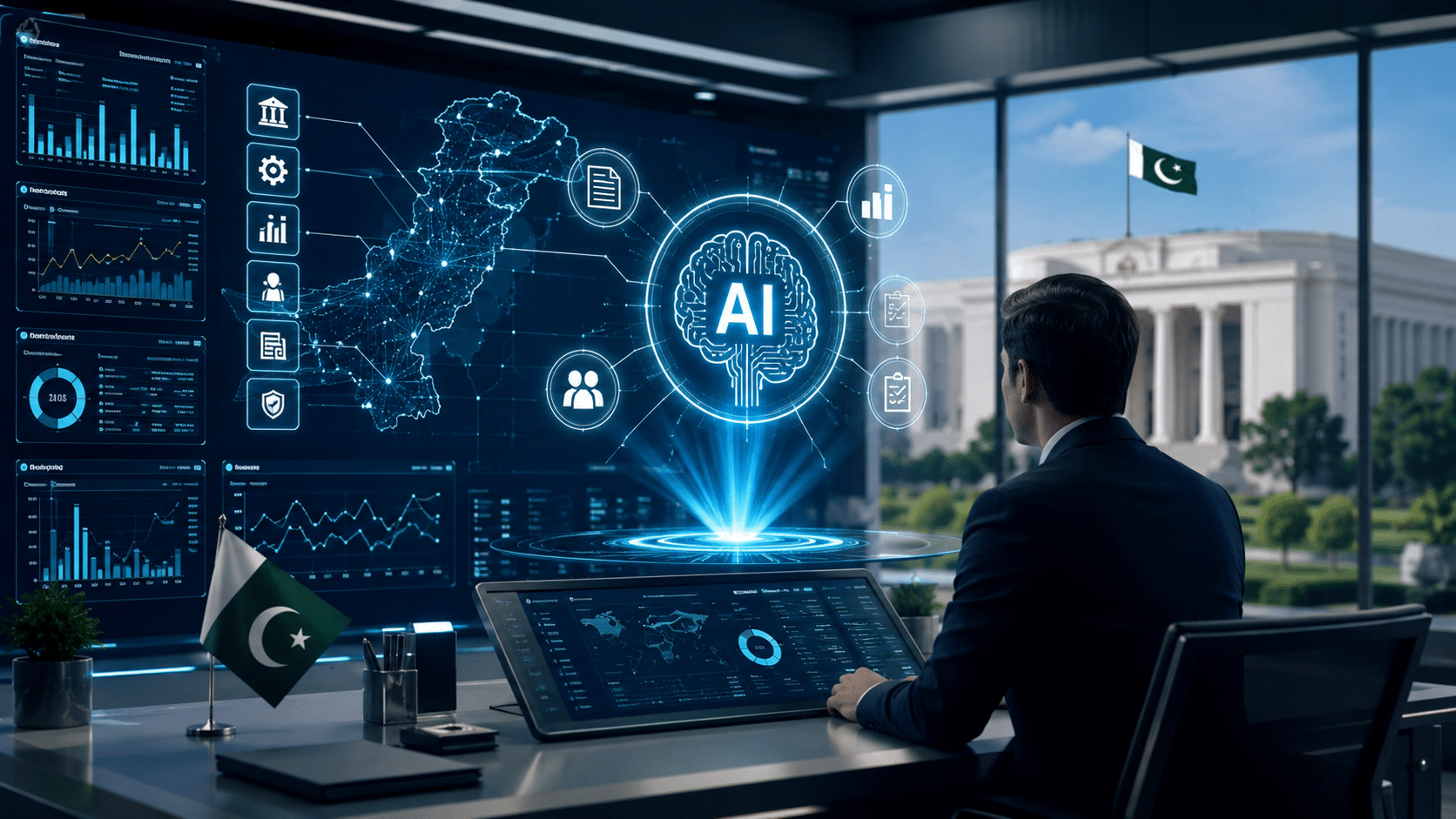
Pakistan is currently calibrating its administrative architecture by initiating a strategic shift toward Government AI Governance. The federal government is moving ahead with plans to digitize oversight and coordination across all ministries through an artificial intelligence-powered platform. This precision-driven initiative aims to catalyze transparency, enhance structural accountability, and optimize service delivery for every Pakistani citizen.
Precision Oversight and the National Digital Masterplan
The Pakistan Digital Authority developed a sovereign GPT-powered research tool to support internal government operations. Specifically, the system draws on a baseline of previous directives, official orders, and policy decisions to provide instant access to institutional knowledge. This allows decision-makers to formulate informed policies with higher precision and speed. Furthermore, the platform integrates with the Prime Minister’s Office (PMO) to enable the instant communication of directives to various departments.

Enhancing Government AI Governance through Real-Time Monitoring
A critical component of this system is the Prime Minister’s Monitoring System (PMOS). This digital dashboard allows leaders to track progress and monitor performance across the entire federal landscape. Consequently, the platform includes an automated alert mechanism that generates notifications for federal secretaries when tasks remain pending. This feature ensures that the execution of government directives remains on a strict, calibrated timeline.
The Translation (Clear Context)
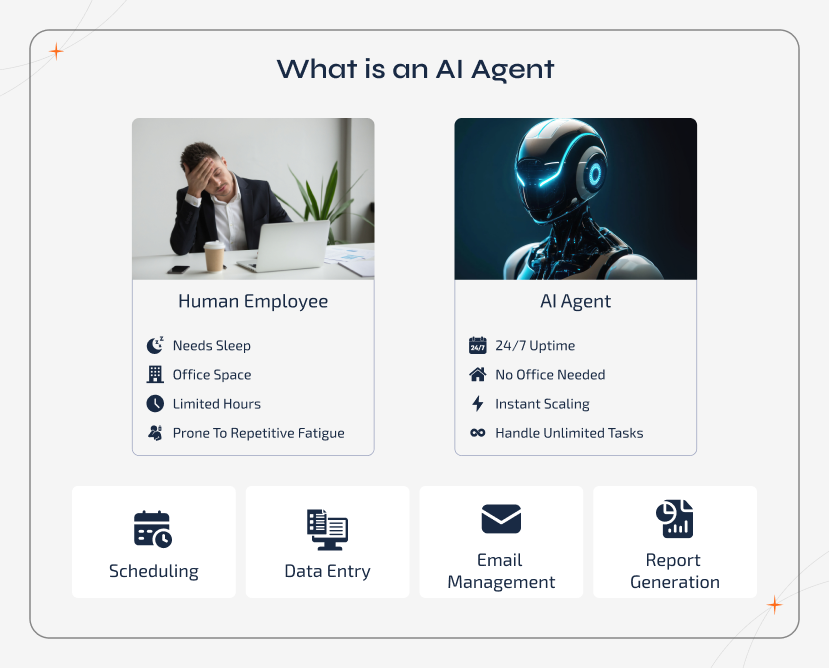
In simpler terms, the government is building its own private version of ChatGPT that is “trained” only on Pakistan’s official laws and records. Instead of human assistants manually searching through old paper files, this AI acts as a virtual researcher that knows every past government decision. It also acts as a “digital supervisor” that pings officials on their phones if they miss a project deadline, removing the possibility of tasks being forgotten in a drawer.
The Socio-Economic Impact
For the average Pakistani citizen, this development represents a major shift in system efficiency. When ministries are held to automated deadlines, public projects—such as infrastructure repairs or healthcare initiatives—move faster. In addition, connecting this AI to platforms like Asan Khidmat Markaz means citizens will experience shorter wait times for government services. This technology-driven ecosystem creates a more responsive public sector that directly benefits students and professionals through streamlined digital tax and permit systems.

The Forward Path (Opinion)
This development constitutes a significant Momentum Shift for Pakistan’s digital frontier. By building a sovereign AI tool rather than relying on third-party commercial software, the state is protecting its data integrity while upgrading its operational baseline. While the technology is impressive, its ultimate success depends on the cultural shift within the bureaucracy to embrace automated accountability. If successfully scaled, this could become the catalyst for a truly paperless and transparent Pakistani government.