

Pakistan is strategically calibrating its energy infrastructure by pivoting toward renewable sources. Specifically, the government plans to generate electricity from waste, transforming urban refuse into a high-value national asset. Prime Minister Shehbaz Sharif chaired a high-level meeting in Islamabad to catalyze this transition, directing a unified federal and provincial effort to establish a modern waste management system. This initiative targets the dual objectives of system efficiency and environmental preservation.
Engineering a Roadmap for Electricity from Waste
The government is currently developing a comprehensive roadmap to harness energy from municipal solids. This move addresses structural inefficiencies in the current energy grid. By utilizing electricity from waste, Pakistan aims to reduce its dependency on imported fuel, thereby stabilizing foreign exchange reserves. Furthermore, the Prime Minister authorized a specialized task force comprising international experts and private sector leaders. This group will implement global best practices and precision-driven technologies to ensure project viability.
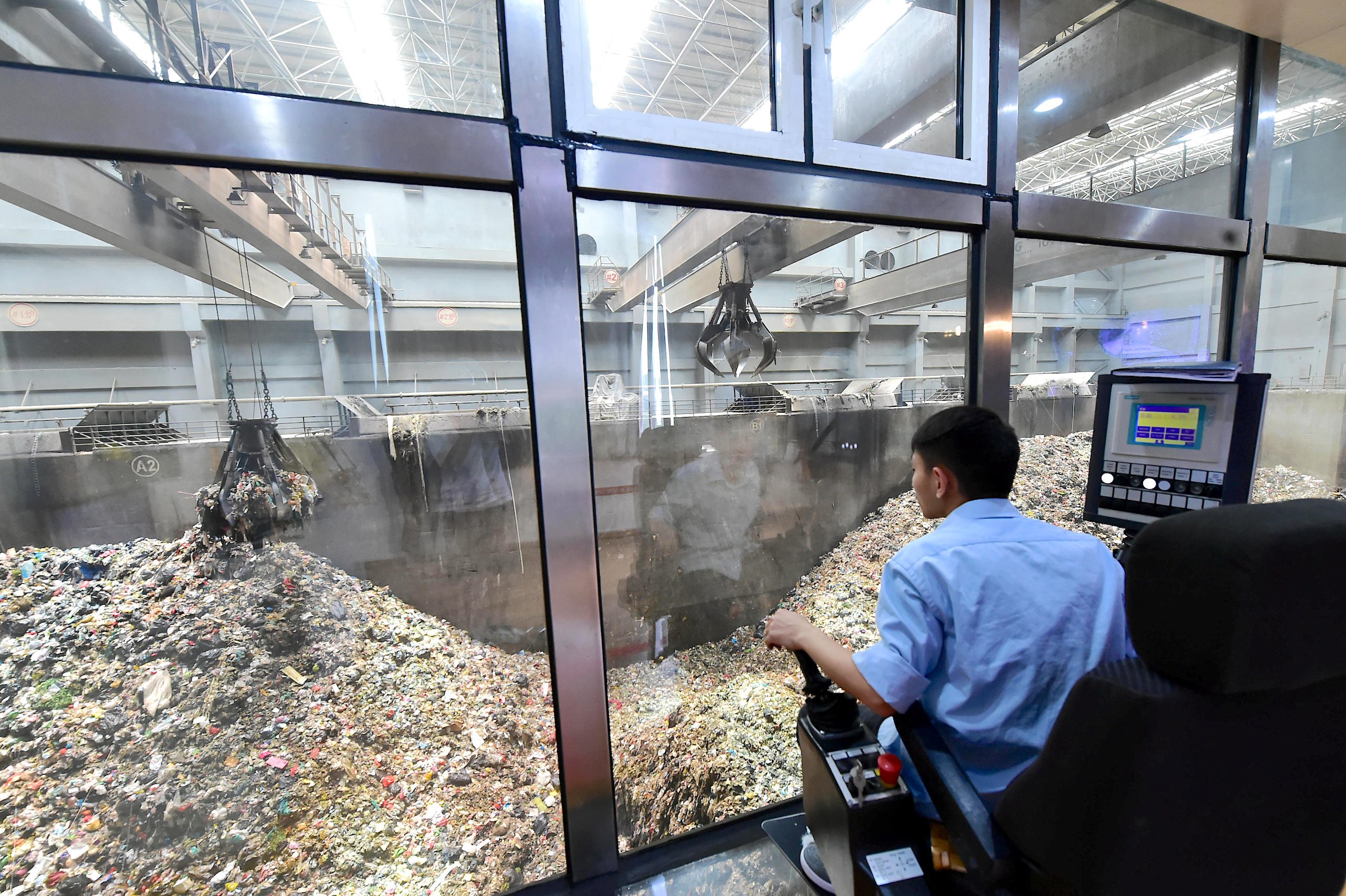
Consequently, the task force will provide calibrated recommendations to ensure the success of this ambitious venture. The integration of technology-driven solutions is expected to mitigate environmental pollution significantly. By processing waste in a controlled, industrial environment, the state can minimize carbon footprints while advancing national sustainability goals. Ultimately, this structural shift represents a move toward a more resilient and self-sufficient energy baseline.
The Situation Room Analysis
The Translation
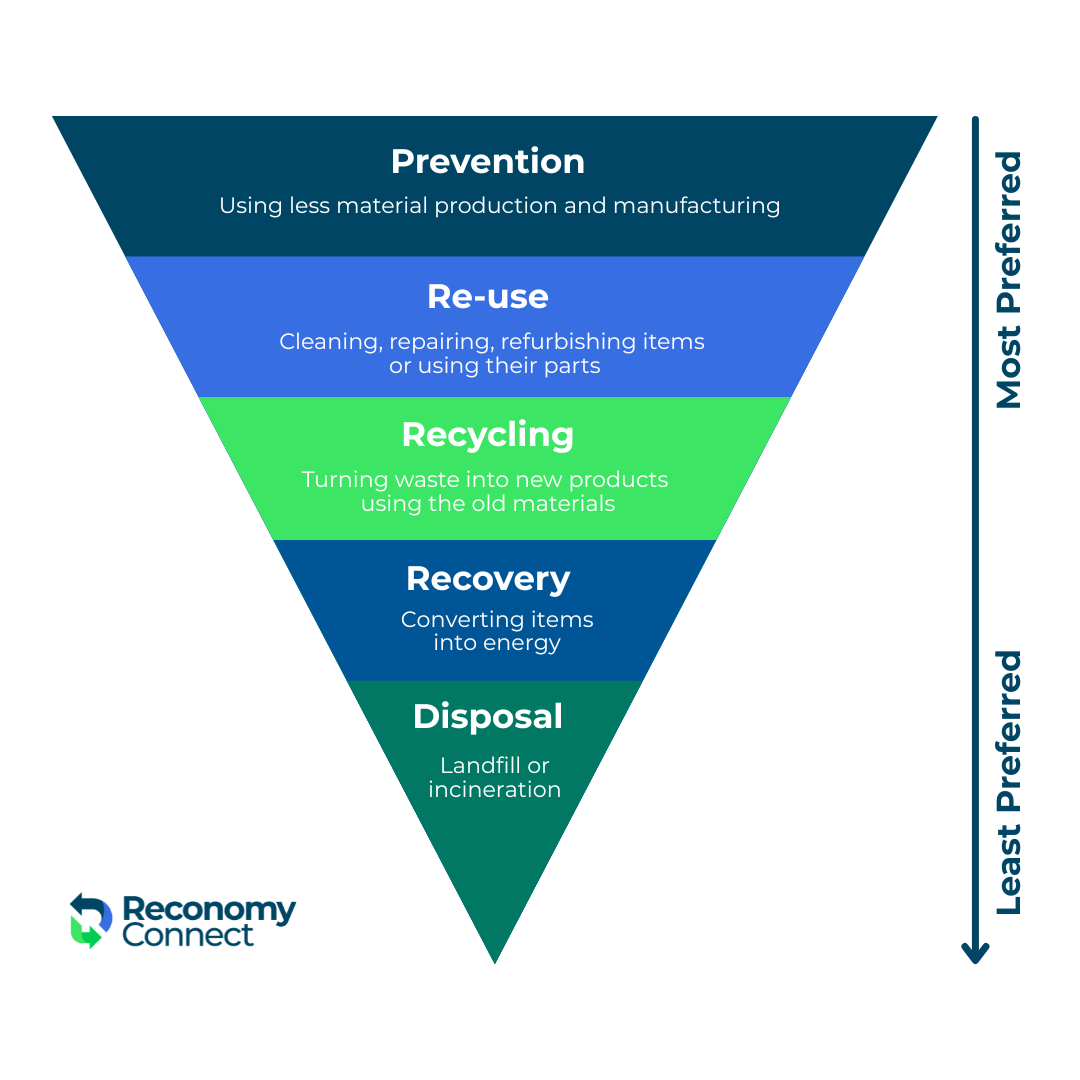
In technical terms, this initiative represents the transition from a linear “take-make-waste” model to a circular economy. When we discuss generating electricity from waste, we are essentially talking about thermal or biological conversion. The government is shifting the perception of trash from a “disposal liability” to a “calibrated fuel source.” This logic simplifies complex waste streams into a predictable energy output for the national grid.
The Socio-Economic Impact
This development will directly influence the daily lives of Pakistani citizens through improved urban sanitation and energy stabilization. Efficient waste handling reduces the incidence of vector-borne diseases in metropolitan areas. Economically, the reduction in fuel imports helps curb inflation, protecting the purchasing power of middle-class households. Professionals in the STEM and engineering sectors will also find new opportunities in this emerging waste-to-energy technological frontier.
The Forward Path
We categorize this development as a Momentum Shift. Moving beyond traditional fossil fuels is no longer optional; it is a structural necessity for national advancement. While the implementation phase will require rigorous oversight, the commitment to international technology standards suggests a forward-thinking approach. If executed with precision, this project will serve as a catalyst for Pakistan’s broader green energy revolution.









