
Strategic Adjustments to Hit the Student Admission Target
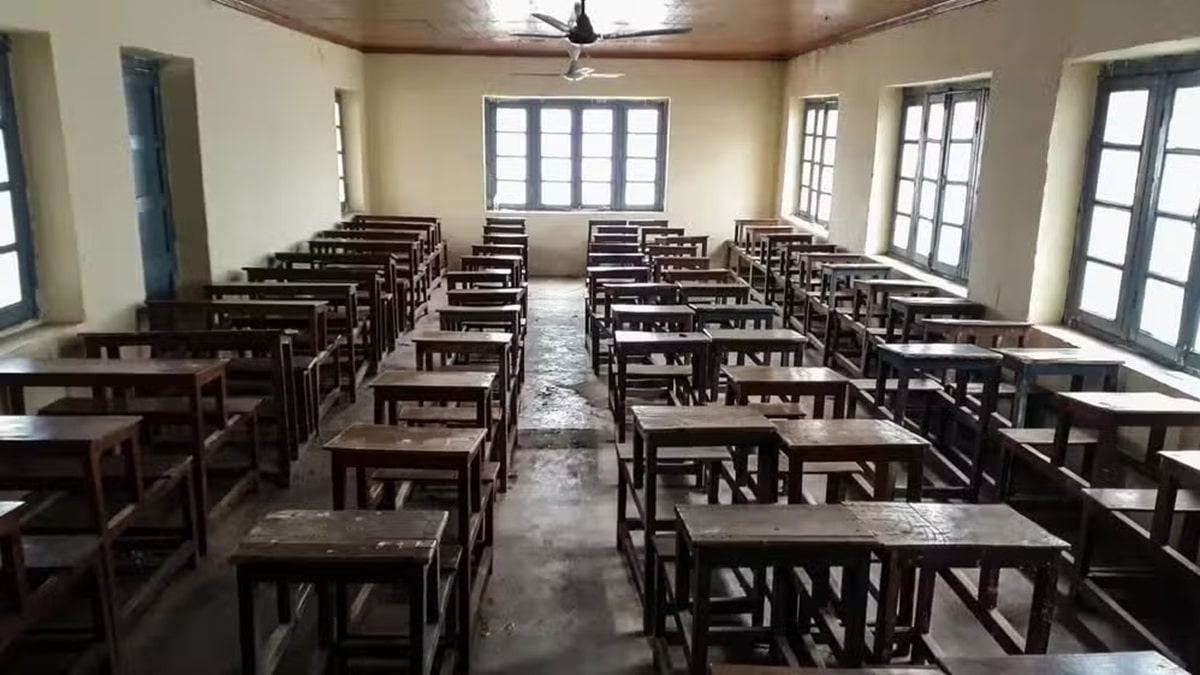
The Lahore Education Authority recently observed a precision deficit in school enrollments, as local institutions missed their student admission target by approximately 3,000 students. While authorities calibrated the system for 393,000 enrollments by early March 2026, the current data shows only 390,000 students are registered. Consequently, district leaders have mandated a secondary wave of admissions to achieve the final annual objective of 430,000 students.
The Translation: Decoding the Directive
In technical terms, the authority has shifted from passive reporting to active field operations. Each school head must now secure at least 10 additional enrollments to stabilize the system baseline. Furthermore, the directive introduces aggressive door-to-door campaigns, moving beyond traditional campus-based registration. This strategy aims to identify “missing” data points—the children currently excluded from the formal academic framework. Authorities have warned that failure to hit these metrics will result in administrative recalibrations and strict disciplinary measures for school heads.
The Socio-Economic Impact: Precision in Human Capital
This enrollment gap represents more than just a statistical miss; it reflects a potential loss in Pakistan’s future human capital precision. When urban centers like Lahore fail to reach a student admission target, the labor market eventually faces a baseline shortage of skilled professionals. Specifically, out-of-school children increase the long-term economic burden on the state and reduce overall system efficiency. By targeting these 3,000 students now, the government is attempting to mitigate future socio-economic instability and ensure a more robust workforce for the next generation of Pakistanis.
The Forward Path: A Stabilization Move
We categorize this current development as a Stabilization Move. While the door-to-door initiative shows proactive intent, it is essentially a remedial action to correct a planning oversight. True progress would involve a system where enrollment targets are met through organic demand rather than administrative pressure. However, identifying and integrating out-of-school children is a necessary catalyst for educational equity in Lahore. The ultimate success of this drive depends entirely on the rigorous execution of these field campaigns and the removal of barriers for families.








