
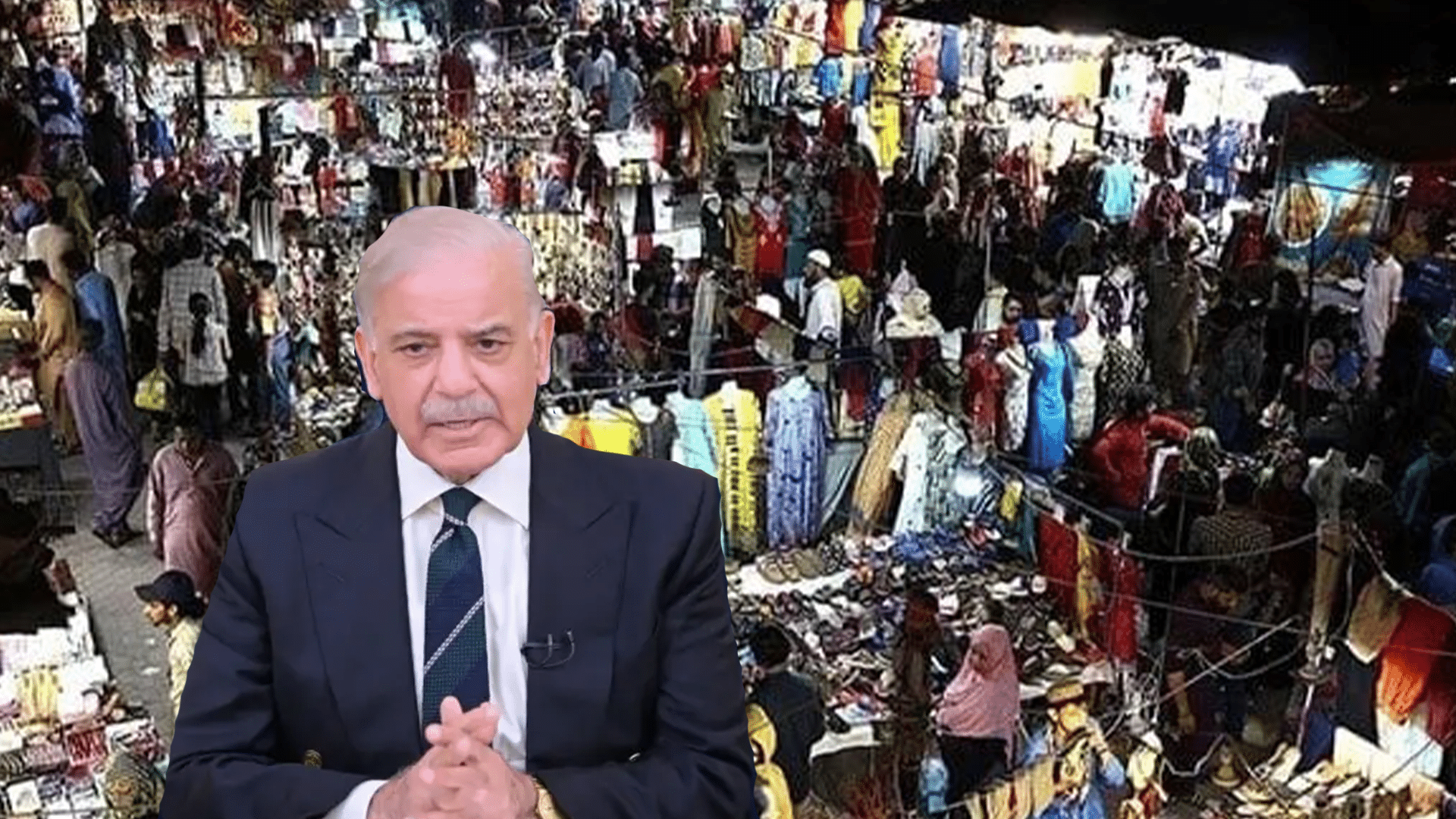
The federal government has officially calibrated the national operational baseline by withdrawing all fuel austerity measures introduced during the recent regional conflict. This strategic shift follows a significant reduction in petroleum prices, marking a transition back to standardized economic routines. Consequently, the Cabinet Division confirmed that the emergency protocols established on March 9, 2026, no longer apply to daily governance and transportation.
Strategic Calibration: The End of Fuel Austerity Measures
Prime Minister Shehbaz Sharif approved the rollback of emergency measures that previously restricted energy consumption. While the government has ended the primary fuel austerity measures, specific market closing hours remain in place to maintain a degree of systemic efficiency. Furthermore, the decision restores full fuel allowances for government officials and puts the fleet of official vehicles back into full rotation.

Under the updated directive, the following operational constraints are now active across the country:
- Commercial Hubs: Markets, shopping malls, and departmental stores must conclude operations by 9:00 PM.
- Event Management: Marriage halls and marquees are required to close by 10:00 PM.
- Hospitality Sector: Restaurants and cafes must transition to takeaway-only or close by 11:00 PM.
- Essential Services: Pharmacies, hospitals, and IT companies maintain 24/7 exemption status.
The Situation Room: Structural Analysis

The Translation (Clear Context)
The withdrawal of fuel austerity measures signifies that the government no longer views energy scarcity as an immediate existential threat to the treasury. By restoring fuel allowances and government vehicle usage, the state is signaling that the liquidity crisis triggered by the regional war has moved into a “management phase” rather than an “emergency phase.” This recalibration aims to restore administrative velocity in the public sector.
The Socio-Economic Impact
For the average Pakistani citizen, this move translates to improved logistical efficiency. The restoration of the Friday weekly holiday and the full deployment of government resources will likely reduce the administrative backlog for professionals and students. Additionally, the exempt status for IT companies and call centers ensures that Pakistan’s digital export engine continues to run without the friction of energy-related shutdowns.

The “Forward Path” (Opinion)
This development represents a Momentum Shift. While the retention of early market closing hours suggests a continued commitment to baseline conservation, the rollback of the most restrictive fuel austerity measures indicates a stabilization of the energy supply chain. To achieve long-term resilience, the government must now pivot from “war-time” emergency cuts to structural infrastructure upgrades that prevent the need for future austerity.
Operational Schedule: Post-Austerity Guidelines
| Business/Establishment | Standard Closing Time |
|---|---|
| Retail Markets & Malls | 9:00 PM |
| Marriage Halls & Venues | 10:00 PM |
| Eateries & Grocery Stores | 11:00 PM |
| Medical & IT Services | Exempt |
| Gyms & Sports Facilities | Exempt |








