
Calibrated healthcare infrastructure serves as the essential baseline for national productivity and human capital development. Federal Minister for National Health Syed Mustafa Kamal has strategically revived the Sehat Sahulat Program in Islamabad. This initiative ends years of suspension, providing free medical treatment and quality healthcare services to deserving patients across the federal capital.
Optimizing Healthcare Delivery via the Sehat Sahulat Program
The government has activated the program across 42 hospitals within the twin cities to streamline patient access. During the initial phase, eligible citizens will receive free medical treatment for a two-year period. Furthermore, the ministry plans to integrate free Outpatient Department (OPD) services by the third year of implementation. Consequently, this phased approach ensures the system remains stable while scaling up to meet public demand.
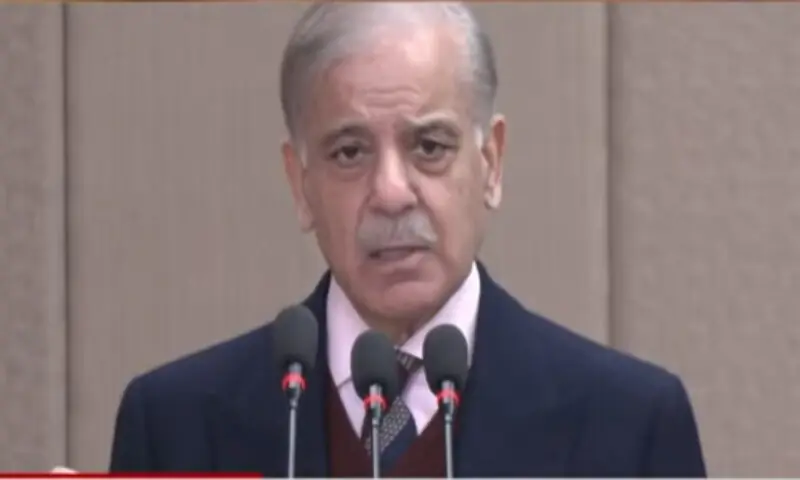
Transparency remains a core objective of this structural overhaul. Syed Mustafa Kamal confirmed that the government is collecting real-time data on treatment cycles and expenses. This digital oversight prevents leakage and ensures fair implementation. Hospitals found violating program protocols or facilitating corruption face immediate delisting from the network.
Addressing the Systemic Pressure on Infrastructure
Islamabad’s population has now surpassed 3.5 million residents. However, capital hospitals also manage a heavy influx of patients from Azad Kashmir, Gilgit-Baltistan, and Rawalpindi. This concentrated patient load exerts significant pressure on both public and private medical facilities. To address this, the government is focusing on the following strategic pillars:
- Data-Driven Accountability: Real-time monitoring of hospital performance and resource allocation.
- Infrastructure Expansion: Bridging the gap between the current facility count and the required 5,000 hospitals nationwide.
- Budgetary Realignment: Transitioning from a high-spend, low-satisfaction model to a precision-funded universal health coverage framework.
The Situation Room Analysis
The Translation (Clear Context)
The relaunch of the Sehat Sahulat Program represents a shift from discretionary charity to a structured health insurance model. By utilizing 42 private and public hospitals, the government is effectively “buying” capacity rather than just building it. This allows for immediate service delivery while long-term infrastructure projects remain in development. The focus on real-time data collection acts as a digital audit, ensuring that every rupee spent directly correlates to a patient’s recovery.
The Socio-Economic Impact
For the 13 million Pakistanis living below the poverty line, a single medical emergency can lead to permanent financial ruin. This program provides a critical safety net for households in Islamabad and surrounding regions. By subsidizing high-cost treatments, the government allows families to retain their savings for education and nutrition. Urban and rural patients alike now have access to private-sector healthcare quality without the prohibitive price tag, narrowing the equity gap in the national health system.
The “Forward Path” (Opinion)
This development constitutes a significant Momentum Shift toward modernization. While the current satisfaction rate in the health sector sits below 10%, the move toward a Rs. 210 billion universal health coverage model is the correct architectural path. However, the government must move beyond insurance and aggressively incentivize the construction of the 5,000 missing hospitals. Without expanding physical capacity, the Sehat Sahulat Program will eventually face diminishing returns due to systemic overcrowding.








