
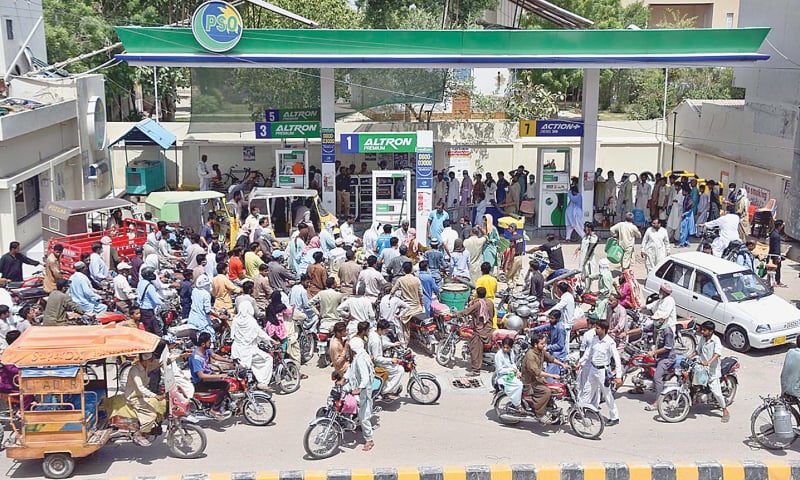
National economic stability currently faces a calibrated stress test as the government implements its fifth consecutive daily adjustment to Pakistan fuel prices. This precision-based pricing strategy aims to align domestic rates with volatile international markets. Consequently, the price of petrol climbed by Rs. 3.66 per litre on Friday night, reaching a new baseline of Rs. 335.18 per litre. High-speed diesel (HSD) witnessed an even sharper trajectory, rising by Rs. 4.80 per litre to settle at Rs. 383.46.
Analyzing the Surge in Pakistan Fuel Prices
The Oil and Gas Regulatory Authority (OGRA) confirmed these rates through an official notification late Friday. This move follows a significant jump on Thursday when petrol increased by Rs. 4.44 per litre. Since the inception of the daily fuel rates update, the cumulative impact has been substantial. Petrol has surged by Rs. 24.46 per litre in total, while diesel has skyrocketed by Rs. 60.16 per litre. These figures represent a structural shift in the energy procurement landscape for the average citizen.

Daily Revisions to Date: A Comparative Overview
- Mid-July Baseline: Petrol was Rs. 310.71; Diesel was Rs. 323.30.
- Current Status (July 25): Petrol is Rs. 335.18; Diesel is Rs. 383.46.
- Total Delta: Petrol increased by ~7.8%; Diesel increased by ~18.6%.
The Situation Room: Strategic Breakdown
The Translation (Clear Context)
The transition from fortnightly to daily pricing is a strategic catalyst intended to reduce the “lag” between global crude oil shifts and domestic retail rates. By adjusting prices every 24 hours, the government attempts to prevent massive, sudden shocks. However, the current momentum suggests a sustained upward pressure from global supply chains and currency fluctuations that the system is now passing directly to the consumer in real-time.
The Socio-Economic Impact
This rapid escalation directly affects the logistics sector, which relies heavily on high-speed diesel. For the Pakistani citizen, this translates to increased transport fares and a higher “last-mile” cost for essential commodities like vegetables and grains. Professionals and students in urban centers will likely see a contraction in disposable income as commuting costs consume a larger percentage of their monthly baseline budgets.
The Forward Path (Opinion)
We categorize this development as a Stabilization Move. While the immediate inflationary pressure is painful for households, this approach maintains fiscal discipline by reducing the government’s subsidy burden. To ensure national advancement, the focus must now shift toward improving fuel efficiency and expanding public transit infrastructure to mitigate the impact of global energy volatility on our domestic workforce.








