
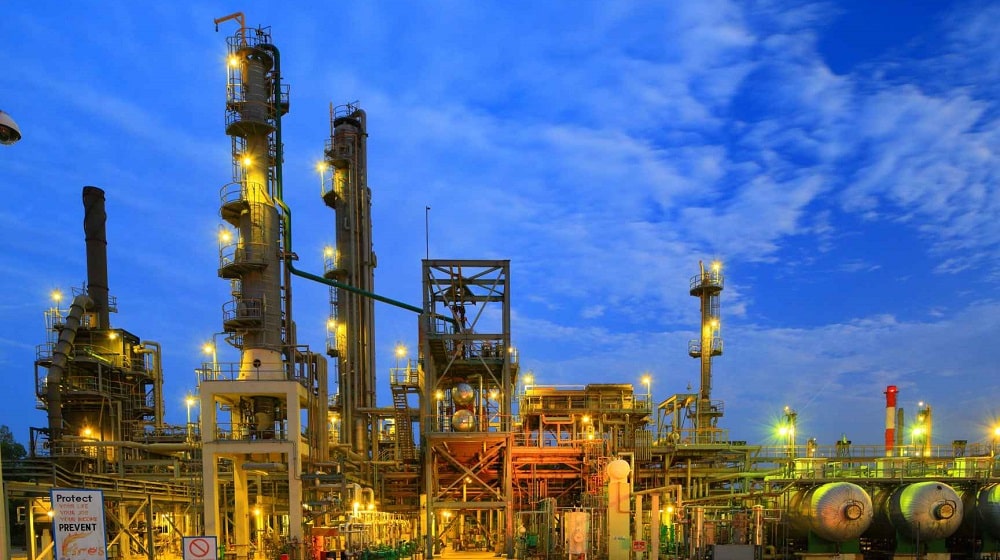
National energy independence requires a calibrated structural shift in our refining infrastructure. Consequently, the government has accelerated efforts to revive nearly $6 billion in stalled refinery investments by neutralizing critical tax and policy hurdles. Finance Minister Muhammad Aurangzeb recently chaired a high-level assembly to stabilize the Brownfield Refinery Policy, signaling a precision-focused commitment to modernizing Pakistan’s downstream energy sector.
Strategy to Unlock $6 Billion in Refinery Investments
The recent Finance Act 2024 inadvertently created a bottleneck by shifting petroleum products from zero-rated to sales tax-exempt status. This change prevented refineries from adjusting input sales tax against output liabilities, which increased operational costs significantly. Therefore, the government is now evaluating a strategic stability clause to protect refinery investments from future fiscal volatility. This structural safeguard will ensure that lenders and global investors maintain baseline confidence during multi-year project lifecycles.
Addressing the Structural Bottlenecks
Government officials have directed the Federal Board of Revenue and the Petroleum Division to draft proposals that exempt machinery imports from sales tax. These calibrated exemptions serve as a catalyst for the adoption of Euro V-compliant fuel production. Furthermore, a finalized framework is expected to reach the Economic Coordination Committee (ECC) following a decisive review session led by the Petroleum Minister. This precision in policy execution aims to reduce furnace oil output while maximizing higher-value, cleaner energy products.

The Translation: Deciphering Tax Exemptions
In technical terms, the shift from “zero-rated” to “exempt” meant refineries had to absorb tax costs rather than passing them through. This architectural flaw threatened the financial viability of upgrade projects. By reintroducing import exemptions and stability clauses, the government is effectively lowering the barrier to entry for capital-intensive upgrades. This move restores the “bankability” of refinery investments, allowing local facilities to compete with international standards without facing an unfair fiscal burden.
Socio-Economic Impact: Precision Energy for Citizens
- Cleaner Environment: The transition to Euro V standards will drastically reduce sulfur emissions in urban centers, improving public health outcomes.
- Economic Stability: Modernizing local refineries reduces the need for expensive refined fuel imports, preserving precious foreign exchange reserves.
- Price Efficiency: A more efficient local refining process stabilizes the domestic supply chain, potentially buffering households against global price shocks.
- Job Creation: A $6 billion capital injection will act as a catalyst for high-tech engineering and construction jobs across Pakistan.
The Forward Path: A Momentum Shift
This development represents a significant Momentum Shift for Pakistan’s energy landscape. While initial policy changes created friction, the government’s rapid pivot to address refinery concerns demonstrates a proactive stance on energy security. This is not merely a stabilization move; it is a structural upgrade that aligns Pakistan with global environmental standards. If these recommendations are ratified, the downstream sector will finally move from maintenance mode to a phase of high-precision growth.








