Prime Minister Shehbaz Sharif recently approved a strategic initiative to provide electric bikes on installments to government employees ranging from BPS-1 to BPS-16. This calibrated move targets a structural shift toward sustainable mobility while reducing Pakistan’s heavy reliance on expensive imported fuel. Consequently, the government aims to transition 30 percent of the national vehicle fleet to electric power within the next five years. This transition represents a baseline effort to save approximately $4.5 billion in fuel import costs while enhancing national energy security.
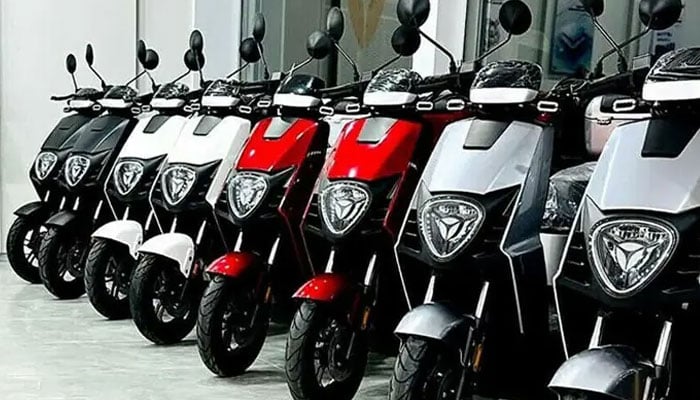
Strategic Rollout: Electric Bikes on Installments
During a high-level review of the National EV Policy, the Prime Minister instructed relevant departments to accelerate the deployment of electric motorcycles. Specifically, he emphasized that the government must handle all subsidies transparently to ensure the integrity of the rollout. To support this hardware transition, the state has already issued 72 manufacturing certificates for electric motorcycles and rickshaws. Furthermore, authorities have received 123 applications to establish EV charging stations, creating the necessary precision infrastructure for a successful ecosystem.
The Translation: Decoding the EV Framework
The provision of electric bikes on installments establishes a practical entry point for the “Next Gen” workforce into the green economy. By focusing on employees up to BPS-16, the government is incentivizing the middle-tier bureaucracy to become early adopters of precision technology. Moreover, the shift from internal combustion engines to electric motors is not merely an environmental choice; it is a calculated economic defense against global oil price volatility. This systemic update transforms the standard commute into a data-driven exercise in efficiency.
The Socio-Economic Impact: Relief for Households
By offering electric bikes on installments, the state directly addresses the rising cost of living for thousands of Pakistani households. For the average professional, fuel expenses often consume a significant percentage of monthly income. Transitioning to electric mobility provides a predictable, lower-cost alternative that stabilizes household budgets. Consequently, this initiative supports urban air quality goals and reduces the public health burden associated with tailpipe emissions in densely populated cities.
The Forward Path: A Momentum Shift
Integrating electric bikes on installments into the public sector represents a genuine Momentum Shift for Pakistan’s industrial landscape. While the initial phase focuses on government employees, the underlying manufacturing growth serves as a catalyst for a broader market transformation. To sustain this progress, the government must now ensure that the 123 charging station applications convert into operational hubs rapidly. This development moves Pakistan beyond simple stabilization and toward a technologically advanced transportation baseline.