

Strategic Mobilization: Understanding Punjab Employee Demands
In a structural calibration for national advancement, hundreds of government employees across Punjab have initiated a decisive protest, highlighting critical Punjab Employee Demands for immediate financial benefit restoration and significant salary increases. This organized mobilization by the All Government Employees Grand Alliance outside the Civil Secretariat signals a crucial need for systemic review of economic policies impacting public sector stability. Specifically, their calibrated demands encompass the full reinstatement of leave encashment, pension, and gratuity. Furthermore, they advocate for a 30% disparity allowance and a substantial 50% salary hike, aiming to recalibrate economic equity for dedicated public servants. Consequently, demonstrators strategically deployed placards and banners, articulating collective grievances against persistent inflationary pressures and policies perceived as detrimental to employee welfare. This visual communication reinforces the urgency of their collective action.
The Translation: Deconstructing Employee Grievances
AGEGA leaders, including Khalid Sanghera, Prof Faiza Rana, and Rana Liaqat, presented compelling analyses at the rally. They rigorously accused the Punjab Government of systemic economic exploitation spanning three years. Their precise allegations detail the withdrawal of critical financial benefits and recurrent delays in implementing previously announced relief measures, underscoring a consistent pattern of non-compliance. In addition, the speakers critically evaluated the strategic implications of outsourcing hospitals and educational institutions. They contend this approach has detrimentally impacted service delivery standards and catalyzed significant job losses within these vital sectors. Simultaneously, the abolition of the regularization act has generated pronounced uncertainty among contract employees, compromising long-term career stability. This collective action is a direct response to a perceived erosion of fundamental employee rights and financial stability.
Economic Pressures and Unfulfilled Pledges
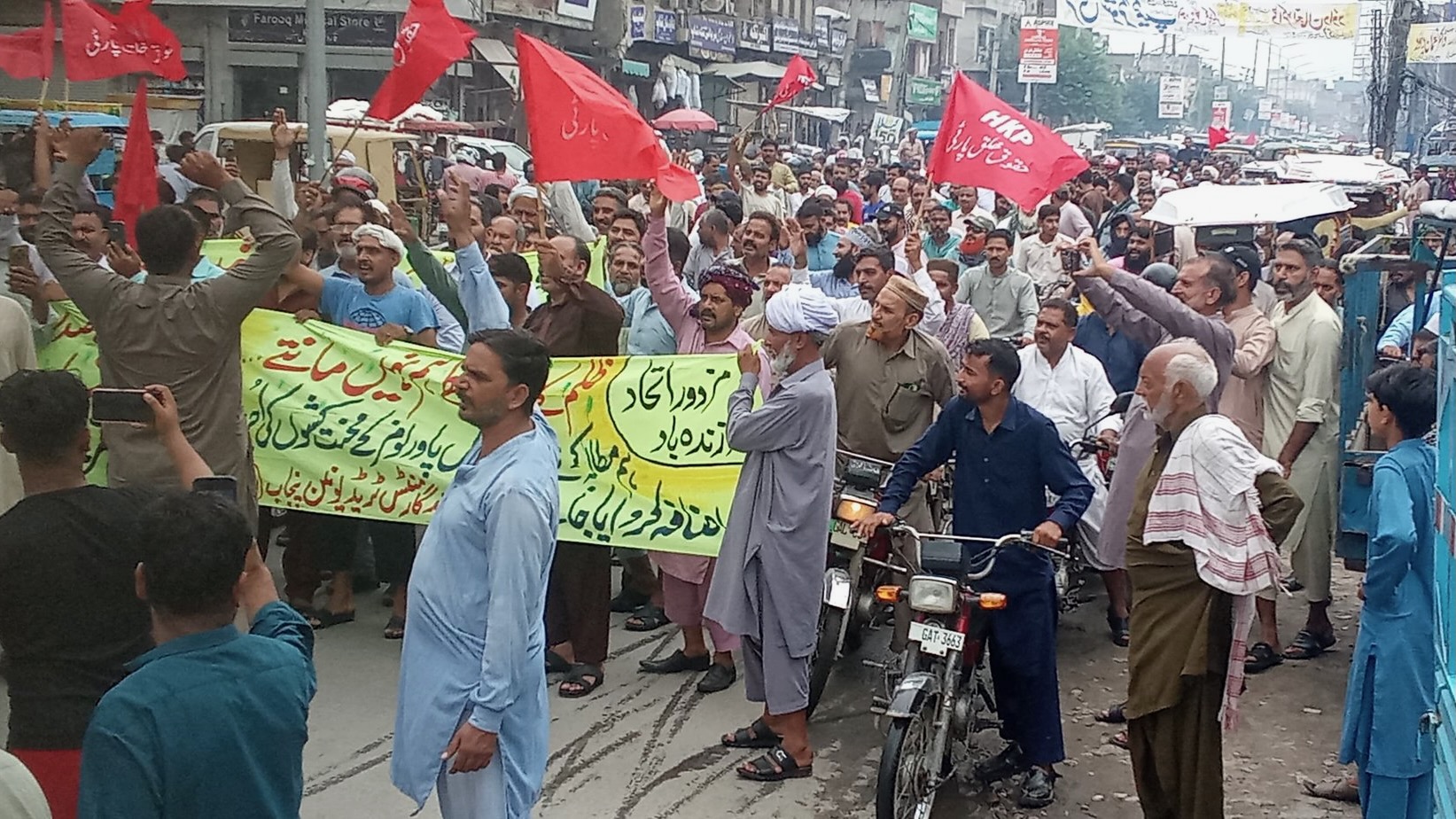
The recent surge in petroleum prices, for instance, has demonstrably exacerbated inflationary pressures, imposing severe financial strain on salaried workers. Although a 30% disparity allowance was formally announced within the budget framework, its practical implementation remains notably absent. This discrepancy between declared policy and practical execution fuels the current dissatisfaction. The employees underscore that such unfulfilled pledges directly undermine their purchasing power and quality of life, necessitating a rapid, corrective intervention.
The Socio-Economic Impact: Daily Life Repercussions
How does this change the daily life of a Pakistani citizen? For students, professionals, and households across urban and rural Pakistan, unaddressed Punjab Employee Demands translate directly into diminished financial security. Public sector employees often support extended families, meaning salary stagnation and pension cuts reverberate through entire communities, restricting access to education, healthcare, and basic necessities. The outsourcing of public services, as highlighted, further impacts citizens by potentially reducing service quality and accessibility, particularly in remote areas. This creates a systemic ripple effect, jeopardizing the economic baseline for millions of households and potentially widening socio-economic disparities.
The “Forward Path”: Momentum Shift or Stabilization Move?
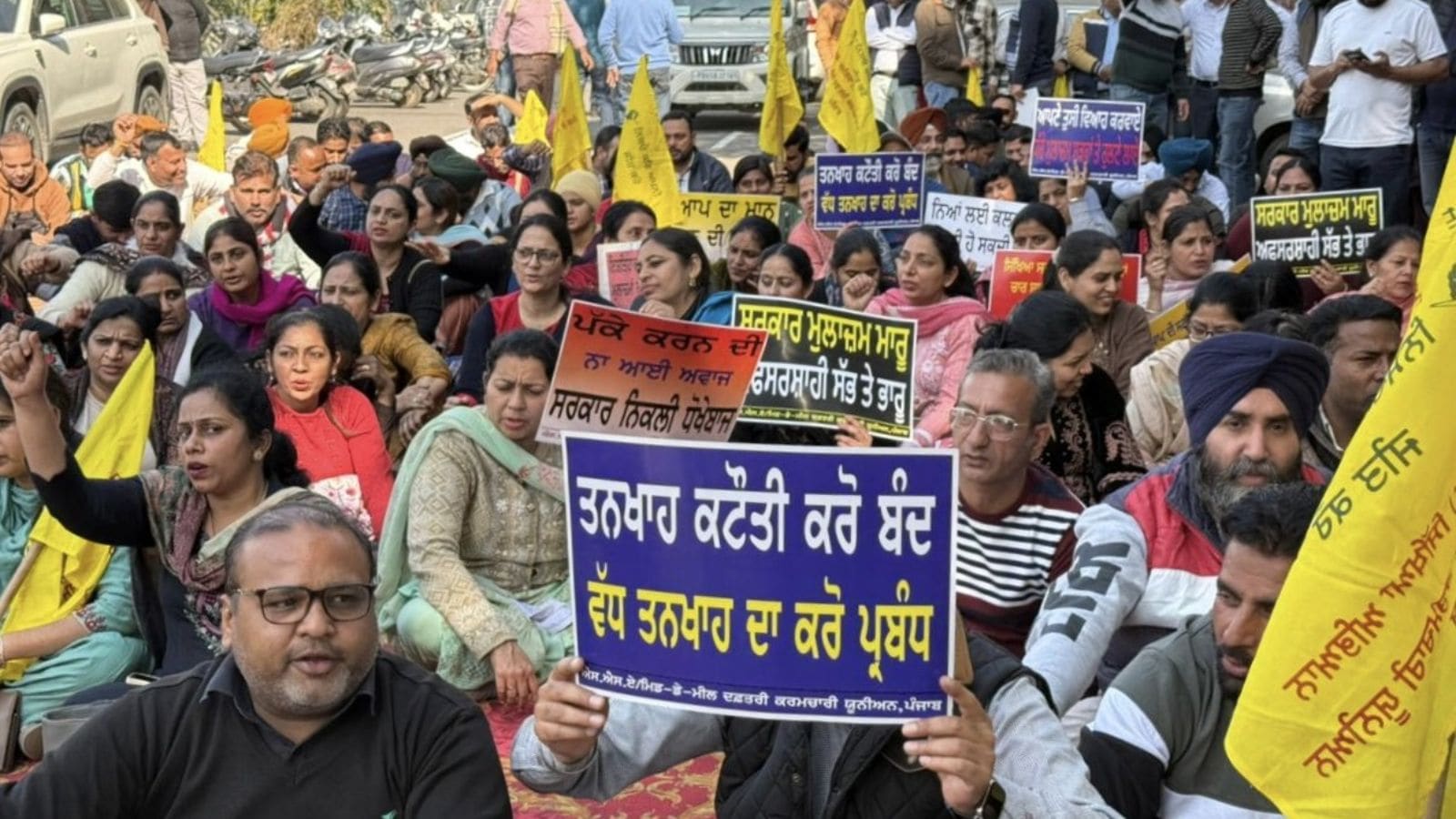
This development represents a Momentum Shift. The organized and persistent nature of the protests indicates a critical juncture where employees are actively demanding structural reforms rather than merely reacting to policy changes. The call for immediate notification of committee recommendations signifies a proactive push for tangible solutions. If the government responds with decisive and transparent action, it could catalyze a positive shift towards enhanced employee welfare and public sector efficiency. Conversely, inaction risks escalating unrest and further destabilizing public confidence in administrative responsiveness. The trajectory of this situation will critically impact future labor relations and governmental accountability.
Urgent Action and Future Strategy
Therefore, the demonstrators urged the government to expedite the official notification of recommendations from the chief secretary’s appointed committee. Furthermore, the alliance has calibrated a deadline: a meeting on April 20 will define their subsequent strategic actions if these critical Punjab Employee Demands are not conclusively addressed. This structured approach to negotiation emphasizes the employees’ commitment to achieving their objectives through organized advocacy and planned escalation.








