
Analyzing the Strategic Budget Day Sit-ins
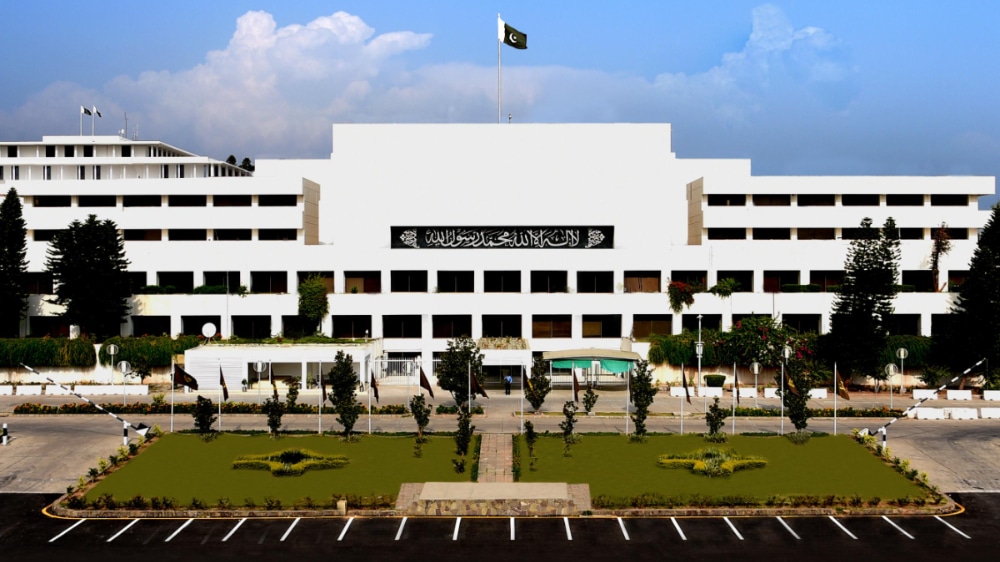
The All Government Employees Grand Alliance (AGEGA) has orchestrated strategic government employee protests to coincide with the Federal Budget 2026-27 presentation. This systemic mobilization targets the Ministry of Finance on June 4 and Parliament House on June 5. Consequently, the alliance seeks to leverage this critical legislative window to secure essential fiscal adjustments and service-related demands.
Precision in financial planning is now a necessity for the public workforce. Workers plan to merge all ad-hoc relief allowances into a newly calibrated Pay Scale 2026. Furthermore, they demand a 100 percent Ad Hoc Relief Allowance and a 50 percent salary surge for employees earning less than Rs. 50,000 per month. These measures represent a baseline requirement for economic survival in the current climate.
The Translation: Decoding the Grand Alliance Demands
The “Grand Alliance” represents a unified structural front of public servants seeking to convert temporary relief into permanent salary foundations. Currently, most relief is “ad-hoc,” which does not contribute to the long-term pension baseline. By merging these into a new Pay Scale 2026, employees ensure their future financial security is grounded in fixed, reliable data. Specifically, the demand for a 200 percent increase in conveyance and medical allowances serves as a stabilizer against the volatile costs of living.

The Socio-Economic Impact of Government Employee Protests
For the average Pakistani household, these government employee protests represent a struggle for purchasing power stability. When public sector salaries lag behind inflation, the efficiency of national service delivery inevitably declines. Consequently, these demands reflect a broader necessity to protect the economic floor for middle-income professionals. If the government removes the 25 percent tax slab for teachers and researchers, it will act as a catalyst for academic retention and institutional growth.
- Minimum Wage: Fixation at Rs. 50,000 to ensure a baseline quality of life.
- Pension Protection: Withdrawal of proposed reforms to maintain existing social safety nets.
- Regularization: Converting daily-wage contracts into permanent roles for institutional precision.
The Forward Path: A Momentum Shift in Public Labor
This development constitutes a “Momentum Shift” in how the public workforce engages with the state’s fiscal architecture. While the government often views salary increases as a stabilization move, the alliance is pushing for a fundamental structural overhaul. Establishing joint committees for privatized institutions will further protect worker interests during economic transitions. Ultimately, the resolution of these government employee protests will determine the administrative efficiency of the next fiscal year.








