The Government of Pakistan recently announced a strategic postponement of the APCC budget meeting, originally slated for May 20. This critical session serves as the primary gateway for finalizing the Public Sector Development Program (PSDP) for the 2026-27 fiscal year. Consequently, the delay represents a significant pause in the federal budget-making architecture, necessitating a recalibration of national investment priorities.
Strategic Postponement of the APCC Budget Meeting
The Planning Commission initially organized this assembly to approve the macroeconomic framework and sectoral allocations. Specifically, the Annual Plan Coordination Committee (APCC) reviews the baseline for GDP growth and inflation targets. Furthermore, the committee oversees development schemes for both federal and provincial administrations. This delay ensures that the final proposal presented to the federal cabinet is analytically sound and structurally aligned with current fiscal realities.
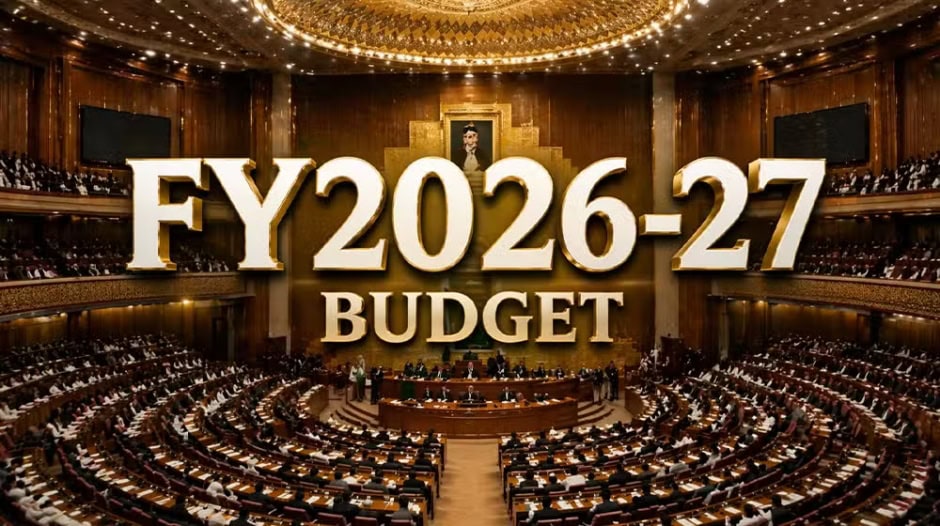
The Translation: Decoding the Budgetary Mechanism
The APCC budget meeting is not merely an administrative formality; it is the engine room of national development. While technical jargon often obscures the process, the logic is precise: the government must balance available revenue against competing sectoral needs before the federal budget is set in stone. By delaying the session, the Planning Commission is likely refining the Public Sector Development Program (PSDP) to ensure that every rupee allocated acts as a catalyst for sustainable economic expansion.

Socio-Economic Impact: What This Means for Pakistanis
For the average Pakistani citizen, this postponement directly influences the timeline of public infrastructure projects. Specifically, the delay affects:
- Students: Timing of funding for new educational facilities and digital literacy initiatives.
- Professionals: Clarity on sectoral growth targets that influence job creation in the tech and industrial zones.
- Households: Precision in inflation forecasting, which dictates the future purchasing power of the rupee.
Ultimately, a more calibrated budget ensures that urban and rural development projects are not just promised, but strategically funded and executed.
The Forward Path: A Momentum Shift or Stabilization?
In my expert view, this postponement represents a Stabilization Move. While a delay might seem like a setback, it indicates a disciplined approach to fiscal management. Rather than rushing a fragmented plan, the government is prioritizing structural integrity in the APCC budget meeting. This pause allows for a more accurate alignment of macroeconomic targets, ensuring that the FY 2026-27 budget serves as a robust foundation for national progress rather than a temporary fix.