
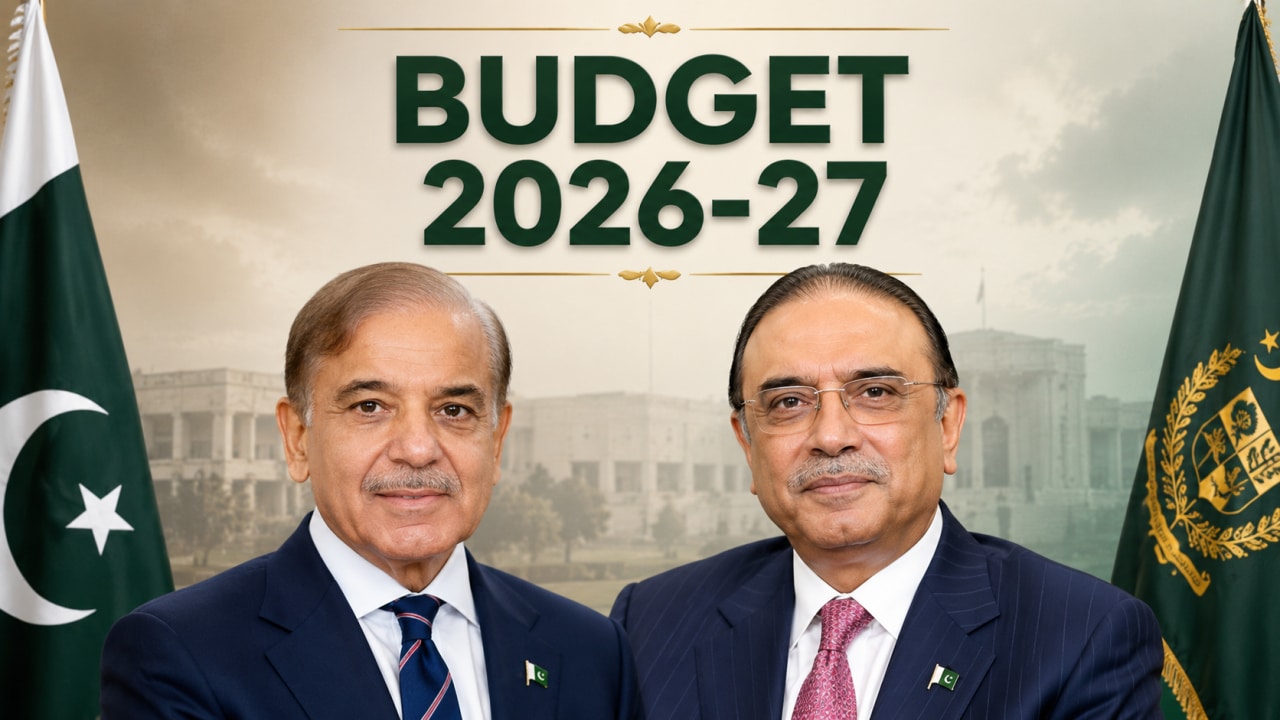
Systemic efficiency relies on calibrated incentives for the technocratic workforce driving national policy. Federal Finance Minister Muhammad Aurangzeb recently announced a Federal Budget Bonus equivalent to six basic monthly salaries for government employees who completed the federal budget for 2026-27. This precision-focused reward targets officials within the Prime Minister’s Office, Parliament, and the Ministry of Finance who executed the complex fiscal exercise.
Rewarding the Architects: The Federal Budget Bonus Explained
The Finance Minister delivered this announcement during a session of the National Assembly. He specifically praised the structural contributions of the Prime Minister’s House and parliamentary staff. Consequently, all eligible employees involved in the rigorous budget preparation and presentation will receive the honorarium as formal recognition of their labor intensive cycles.
:max_bytes(150000):strip_icc()/retention-bonus.asp-final-dce78f3e7dbb435db1d10d1c45292815.png)
Beyond financial rewards, Aurangzeb introduced a strategic shift for the Federal Board of Revenue (FBR). He confirmed that the FBR chairman and his executive team will travel to Karachi during the second week of every month. This regular cadence aims to synchronize the tax authority with Pakistan’s primary commercial hub, ensuring real-time alignment with the private sector.
The Situation Room: Analysis
The Translation (Clear Context)
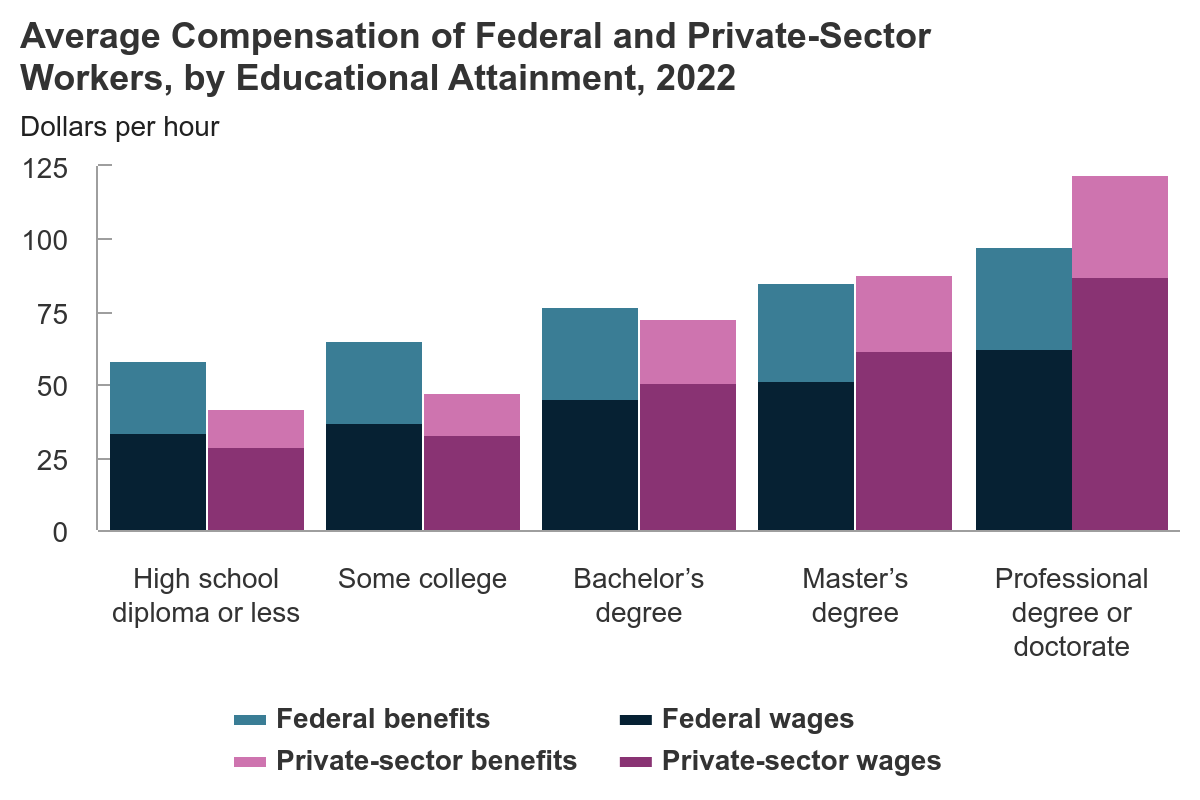
While often viewed as a simple gift, this Federal Budget Bonus functions as a performance-linked retention tool. High-level fiscal planning requires 24/7 engagement during budget season. The government is essentially paying “overtime premiums” disguised as honorariums to maintain the morale of its most critical administrative assets. Furthermore, the FBR’s move to Karachi signals a pivot from isolated Islamabad-based governance to a more integrated, “on-the-ground” economic management style.
The Socio-Economic Impact
For the Pakistani citizen, this development has dual implications. First, it stabilizes the livelihood of civil servants who face inflationary pressures, potentially reducing the brain drain of skilled bureaucrats to the private sector. Second, the FBR’s monthly Karachi visits could bridge the trust gap between the state and the business community. If coordination improves, tax collection efficiency rises, which ultimately funds public infrastructure for every household.
The “Forward Path” (Opinion)
This represents a Momentum Shift. By rewarding technical precision in budget preparation, the government is signaling that performance is the baseline for compensation. However, for this to be a true catalyst for progress, these incentives must eventually scale based on measurable fiscal outcomes rather than just participation. The FBR’s Karachi initiative is the strategic highlight here—moving the system toward active engagement rather than passive oversight.








