
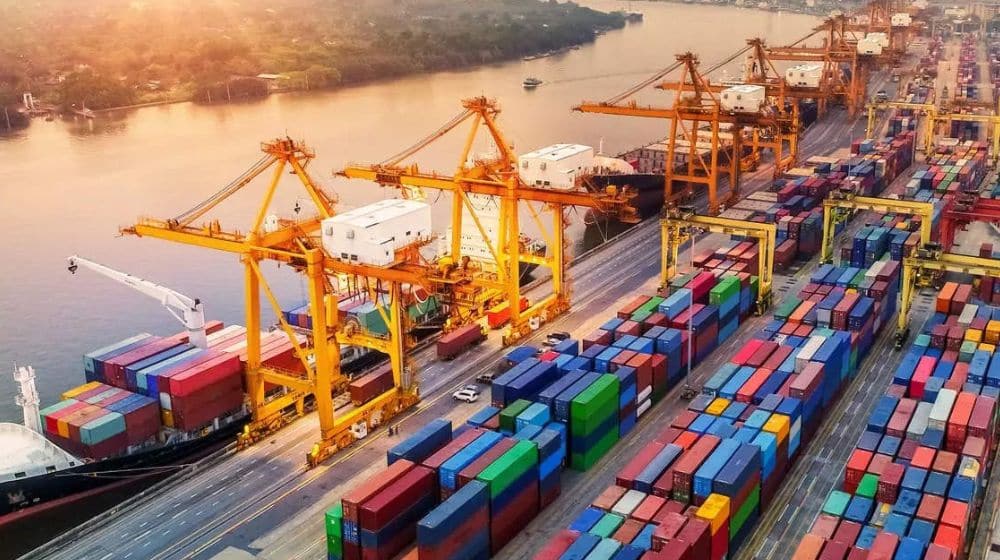
Calibrating Pakistan’s Industrial Engine: New Export Subsidy Schemes
Pakistan’s economic architecture requires a calibrated shift toward export-led growth to stabilize the national baseline. Recently, the Economic Coordination Committee (ECC) authorized three new export subsidy schemes designed to catalyze industrial productivity and expand access to low-cost financing. Finance Minister Muhammad Aurangzeb chaired the session, emphasizing a structural commitment to empowering Small and Medium-sized Enterprises (SMEs) within the global marketplace.
The newly approved framework introduces the EXIM-administered Export Finance Scheme (E-EFS) and the Long-Term Export Growth Financing Facility (LTEGFF). Furthermore, the ECC integrated a performance-based rebate system to reward incremental export volume. These initiatives provide a fixed-rate baseline for financing, ensuring that currency volatility does not disrupt the operational precision of our national exporters.
Strategic Resource Allocation and SME Integration
The Finance Division confirmed that these export subsidy schemes focus heavily on lowering the barrier to entry for smaller firms. By strengthening financial support for both import and export-related activities, the government aims to create a more resilient supply chain. Consequently, the authorities have mandated a performance review in six months to evaluate the structural effectiveness of these financial disbursements.

The Situation Room Analysis
The Translation
In technical terms, the E-EFS and LTEGFF represent a transition from short-term liquidity fixes to long-term capital sustainability. Instead of high-interest commercial loans, exporters can now access capital at subsidized rates. This logic ensures that Pakistan’s products remain price-competitive in international markets despite domestic inflationary pressures.
The Socio-Economic Impact
For the average Pakistani citizen, this policy acts as a catalyst for job creation within the manufacturing sector. As SMEs gain the liquidity to expand, they increase their workforce requirements. Students and young professionals will find more opportunities in high-value industries like textiles, technology, and engineering, which are the primary beneficiaries of these export subsidy schemes.
The Forward Path: Momentum Shift
This development represents a clear Momentum Shift. By prioritizing SMEs rather than just large industrial conglomerates, the government is diversifying the economic foundation. However, the six-month review will be the true test of transparency. If the rebate system remains performance-linked, it will drive genuine growth rather than mere dependency on state aid.








