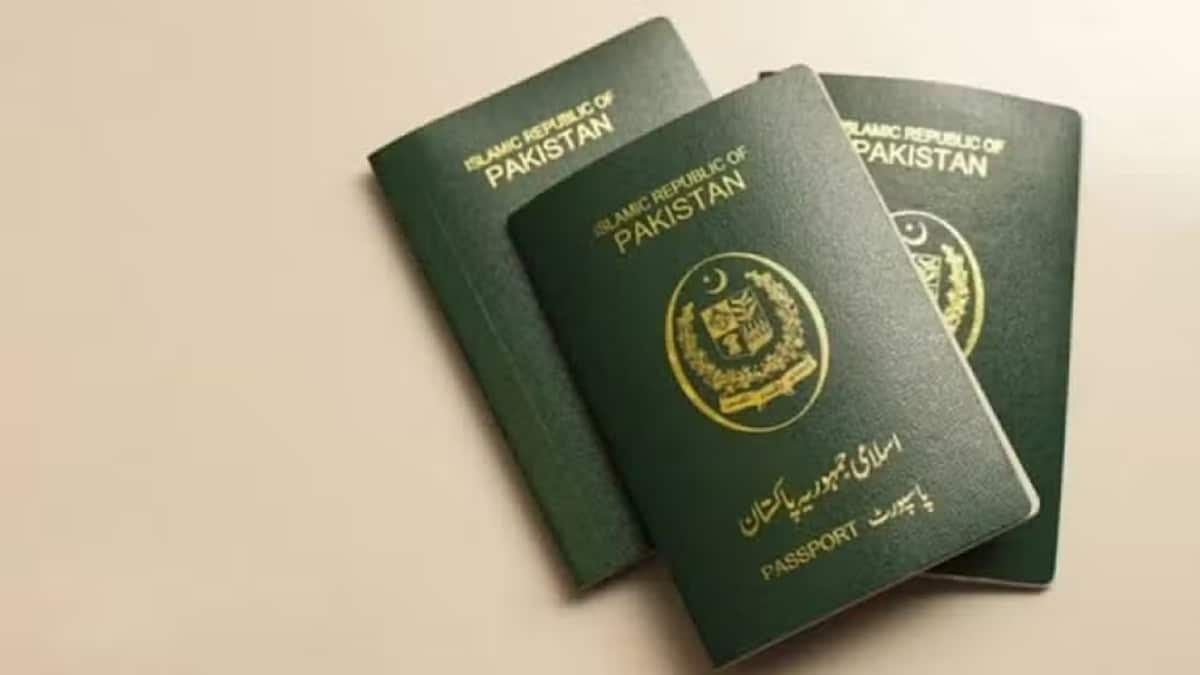
Pakistan is recalibrating its national identity framework by transitioning to a comprehensive Pakistan e-passport system. This strategic shift, spearheaded by Federal Interior Minister Mohsin Naqvi, aims to modernize immigration services through phased technological integration. By embedding biometric chips and introducing cashless payment mechanisms, the government is building a more secure and efficient administrative baseline for all citizens.
Architectural Upgrades: Home Delivery and Cashless Payments
The Ministry of Interior is implementing a series of calibrated reforms to enhance the user experience. Consequently, a new cashless payment system will become operational at all passport offices starting July 1. This move ensures that financial transactions are safer, transparent, and more efficient for every applicant.
- Home Delivery Services: Citizens within Pakistan and overseas will soon receive their passports at their doorstep.
- Pak-ID Integration: Online passport applications are migrating to the robust Pak-ID platform for centralized data management.
- Fee Calibration: Premium service fees will now align precisely with the actual operational costs of the facility.
Moreover, the government is finalizing a specific policy for business passports in coordination with the Federal Board of Revenue (FBR). This precision-driven approach ensures that corporate travel documents support economic mobility without compromising security protocols.
The Technology Behind the Pakistan E-Passport System
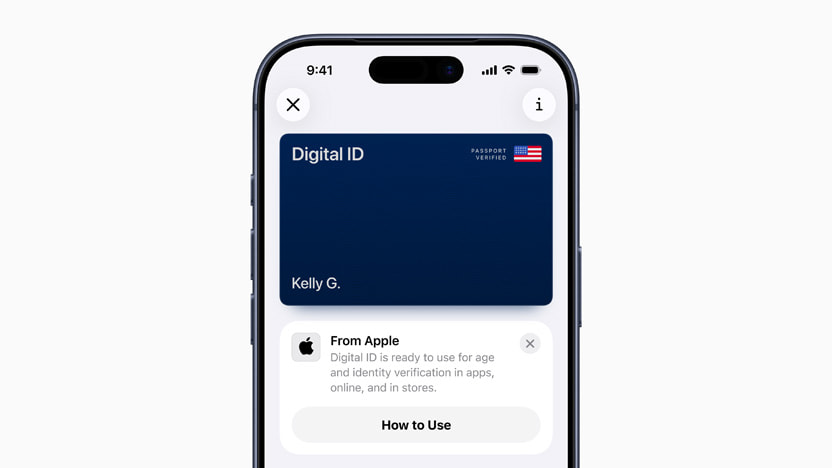
A sophisticated electronic chip serves as the core of the new e-passport framework. This chip stores the holder’s biometric data, unique identification numbers, and a secure digital signature. Furthermore, the inclusion of a contactless Near Field Communication (NFC) chip allows for instantaneous electronic verification at international borders.
Strictly adhering to the standards set by the United Nations’ International Civil Aviation Organization (ICAO), these documents represent a catalyst for global travel compliance. The Pakistan e-passport system effectively mitigates the risks of forgery and identity theft, aligning our national documents with global STEM-driven security standards.
The Situation Room Analysis
The Translation (Clear Context)
In simple terms, Pakistan is replacing traditional paper-based verification with a hardware-secured identity model. The “e-passport” isn’t just a digital record; it is a physical document with a miniature computer (the chip) inside. This ensures that the person carrying the passport is exactly who they claim to be, authenticated by unhackable biometric markers.
The Socio-Economic Impact
This upgrade directly impacts the daily life of Pakistani citizens by reducing “administrative friction.” For students and professionals, it means faster visa processing and shorter queues at international airports. For the average household, the introduction of home delivery and cashless payments eliminates the need for multiple trips to government offices, saving both time and fuel costs.
The Forward Path (Opinion)
This development represents a Momentum Shift. Moving the Pakistan e-passport system to the Pak-ID platform is a strategic consolidation of data that suggests a future where all citizen services are unified. While the phased rollout requires patience, the structural efficiency gained will position Pakistan as a digitally mature nation in the global immigration landscape.