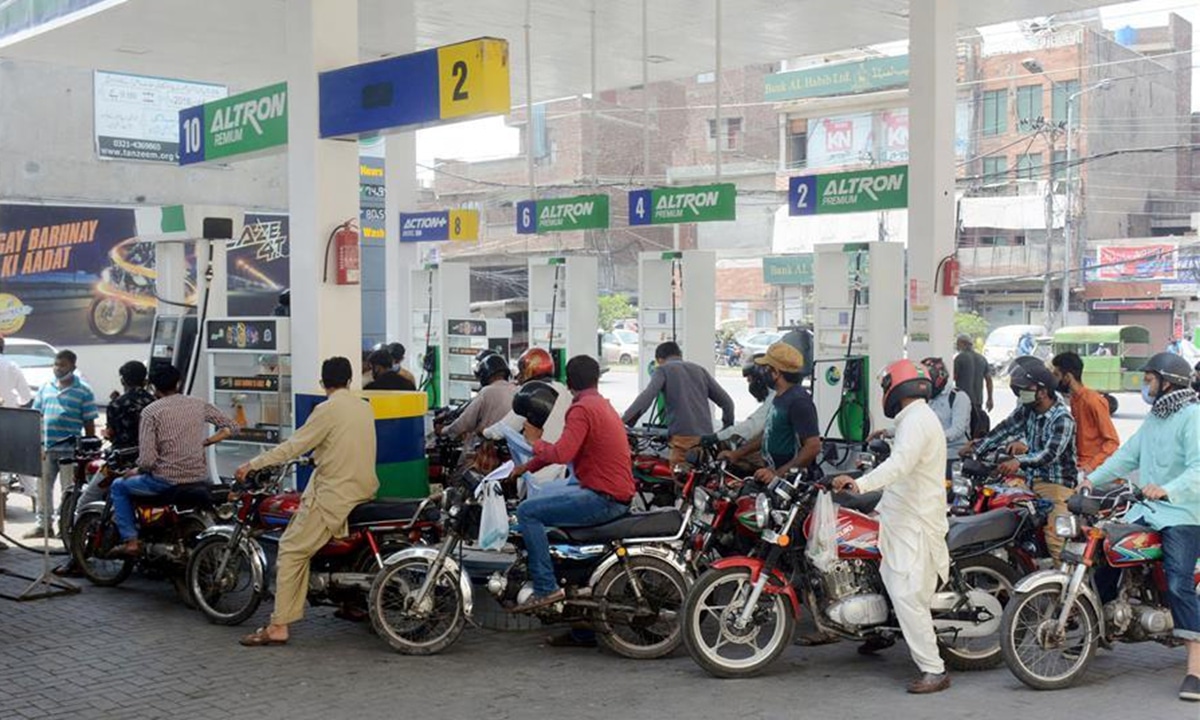
National advancement requires high-precision energy management, yet the latest fuel price hike introduces a significant challenge to our system’s efficiency. The federal government recently sanctioned an increase of Rs. 26.77 per litre for both petrol and diesel. Consequently, the price for diesel has reached a new baseline of Rs. 380.19 per litre. Similarly, petrol prices have escalated to Rs. 393.35 per litre. These calibrated changes take effect immediately as of Saturday, April 25th.
The Translation: Decoding the Economic Logic
Government officials confirmed that the Prime Minister approved these adjustments to align with current fiscal demands. Although the government decreased diesel prices by Rs. 32.12 last week, this latest fuel price hike effectively erases those gains. Specifically, the previous HSD price of Rs. 353.43 has transitioned into the new higher rate. In contrast, petrol was maintained at Rs. 366.58 prior to this sudden surge. This volatility indicates a complex struggle between international market pressures and domestic price stabilization efforts.

Socio-Economic Impact: The Daily Citizen Baseline
How does this structural shift change the daily life of a Pakistani citizen? Primarily, the logistics sector will face immediate pressure, leading to an inevitable increase in the cost of essential goods. Transport professionals must now recalibrate their operational budgets to accommodate the Rs. 26.77 increase. Furthermore, urban households will likely see a spike in commuting costs and secondary inflation. Specifically, the following areas will experience the most friction:
- Logistics and Supply Chain: Increased delivery costs for food and manufactured goods.
- Commuting Expenses: Higher monthly fuel spending for professionals and students.
- Agricultural Output: Potential cost increases for diesel-powered farming machinery.
The Forward Path: Situation Room Analysis
From a STEM-driven perspective, this development represents a Stabilization Move rather than a momentum shift toward growth. The administration is likely attempting to mitigate fiscal deficits by adjusting energy costs to match the current economic baseline. However, without a catalyst for increased energy efficiency or alternative transit, the system remains vulnerable to external shocks. Precision in future policy will be vital to prevent these frequent fluctuations from stagnating national progress.