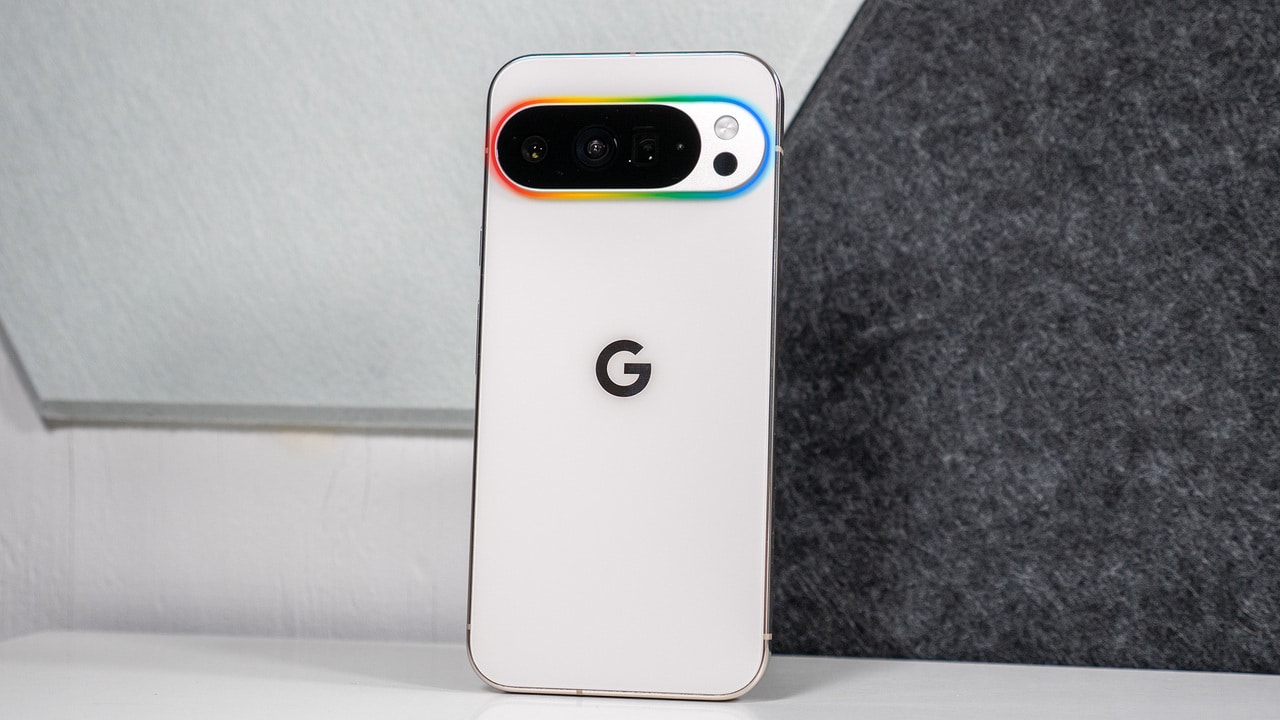
Google recently calibrated market expectations by releasing a precision teaser for the upcoming Pixel 11 series. This reveal precedes the Made by Google event scheduled for August 12 in New York City. Consequently, the tech giant is signaling a strategic shift from software-centric updates to structural hardware innovation, integrating advanced notification systems and next-generation silicon.
Strategic Hardware: Inside the Pixel 11 series
The teaser introduces “Pixel Glow,” a circular LED notification system integrated directly into the camera island. This hardware allows for a full range of colors, providing users with calibrated visual alerts without needing to activate the main display. Furthermore, this feature marks a return to physical status indicators, updated with a modern, structural aesthetic that emphasizes utility.

Tensor G6: A 2nm Architecture Shift
Under the hood, the Pixel 11 series will likely utilize the Tensor G6 processor. Reports indicate that TSMC will manufacture this chip using its cutting-edge 2nm process. Therefore, Google may secure a significant lead in power efficiency and thermal management over competitors. Specifically, this move addresses previous concerns regarding connectivity by pairing the chip with MediaTek’s M90 5G modem.
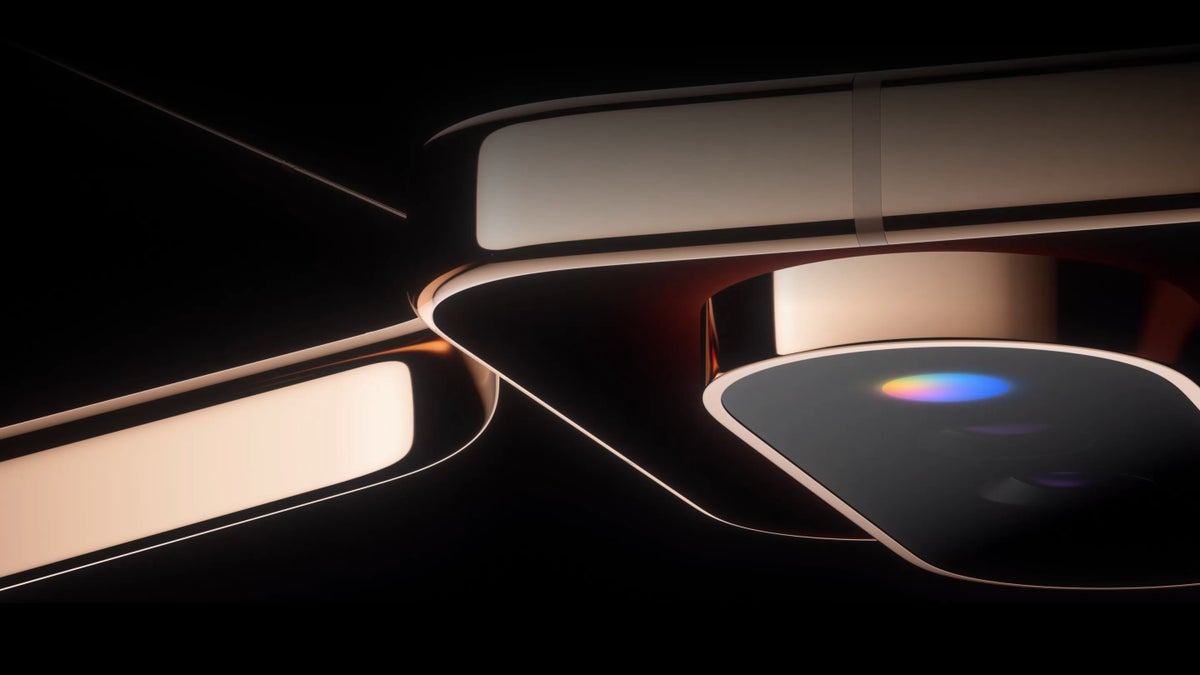
The anticipated lineup for this launch includes the following models:
- Pixel 11: The standard baseline for flagship performance.
- Pixel 11 Pro: Enhanced camera precision and display quality.
- Pixel 11 Pro XL: Maximum screen real estate for power users.
- Pixel 11 Pro Fold: The next evolution of Google’s foldable structural design.

The Translation: Contextualizing the Tech
The transition to a 2nm manufacturing process is a catalyst for system efficiency. In simple terms, smaller transistors allow for more processing power while consuming less energy and generating less heat. Simultaneously, the “Pixel Glow” feature converts abstract digital notifications into immediate, color-coded physical signals, reducing the need for constant screen interactions.
The Socio-Economic Impact: Benefits for Pakistan
For Pakistani professionals and students, the shift to 2nm technology directly translates to improved battery longevity and better signal stability in varied network environments. As Google integrates Gemini AI more deeply into the Pixel 11 series, users gain access to localized productivity tools that function more reliably. This structural stability supports the growing digital economy by providing durable, high-performance hardware for long-term use.
The Forward Path: Our Expert Analysis
We view this development as a significant Momentum Shift. By moving production to TSMC’s 2nm node and reintroducing dedicated notification hardware, Google is moving toward a baseline of hardware reliability that matches its software prowess. This strategic move establishes the Pixel 11 series not just as a phone, but as a calibrated tool for the next generation of digital architects.