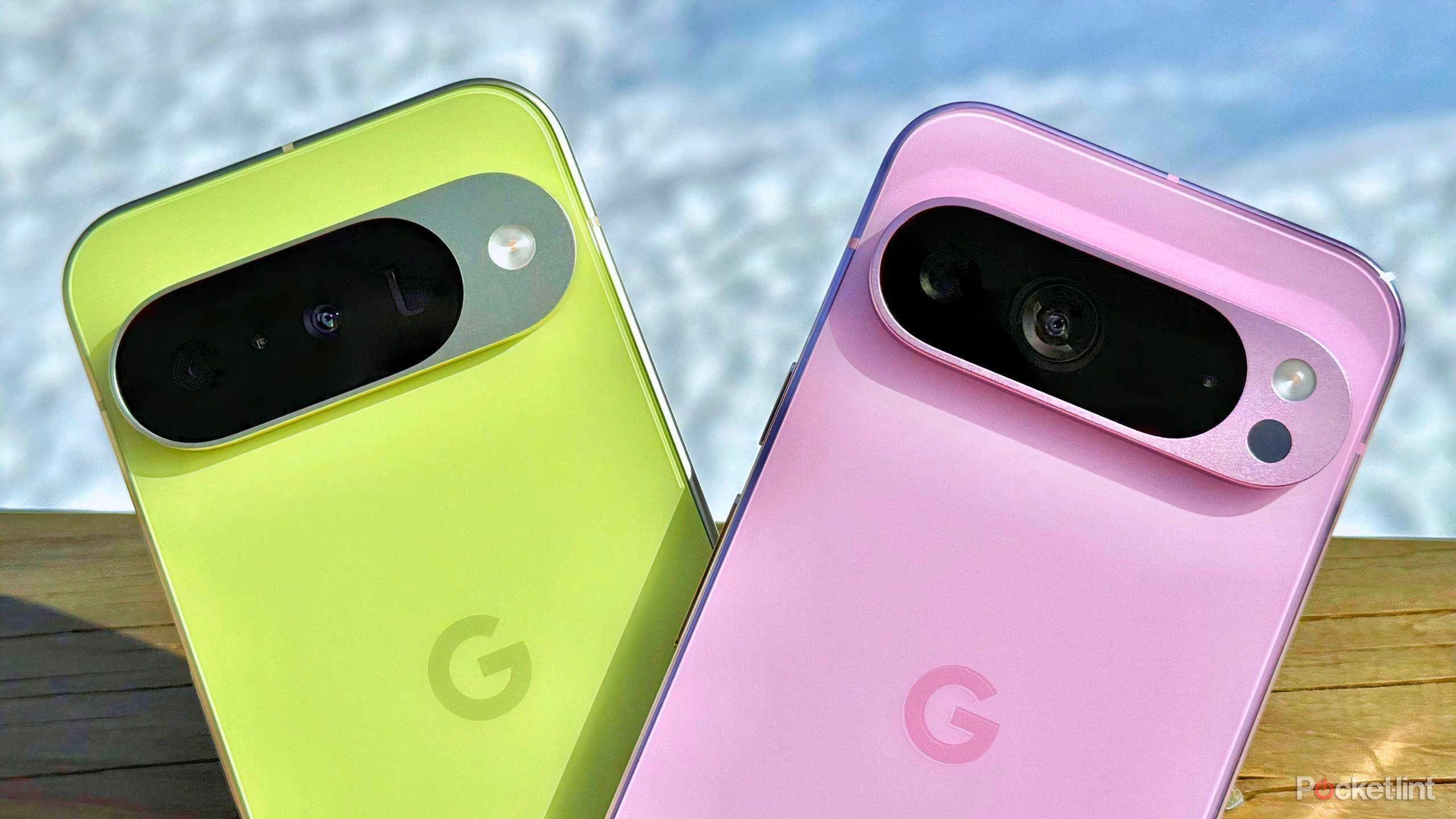
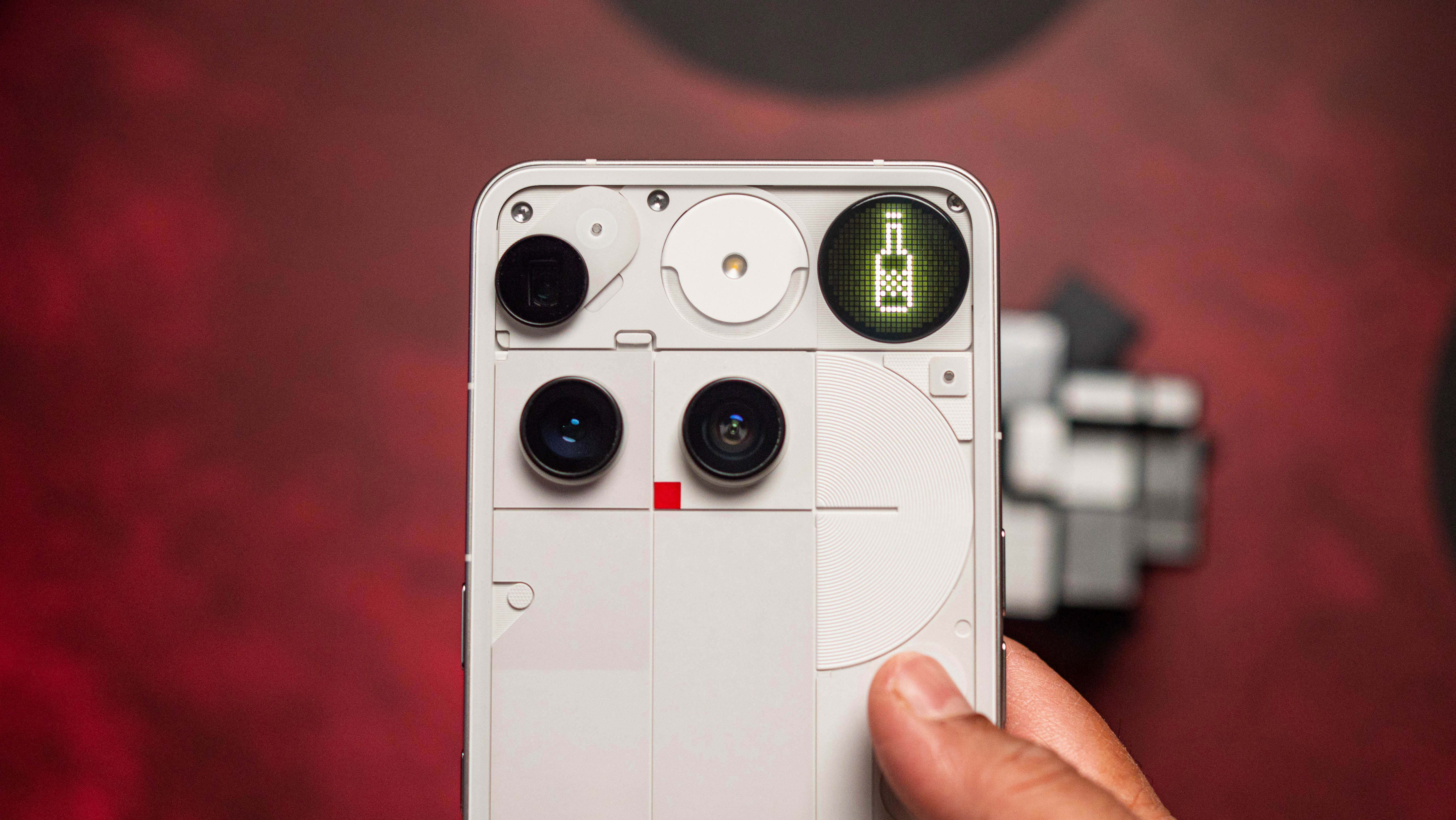
The technological landscape of mobile hardware is shifting toward interactive aesthetics. Recent reports regarding the Pixel 11 Pro suggest that Google is calibrating a significant structural pivot in its design language. Specifically, the unreleased flagship allegedly features a “Pixel Glow” system—a series of integrated LEDs within the camera bar that mimics the sophisticated glyph interface pioneered by Nothing. This development signifies a move beyond static hardware toward a more dynamic, communicative user interface.
Decoding the Pixel 11 Pro Glow System
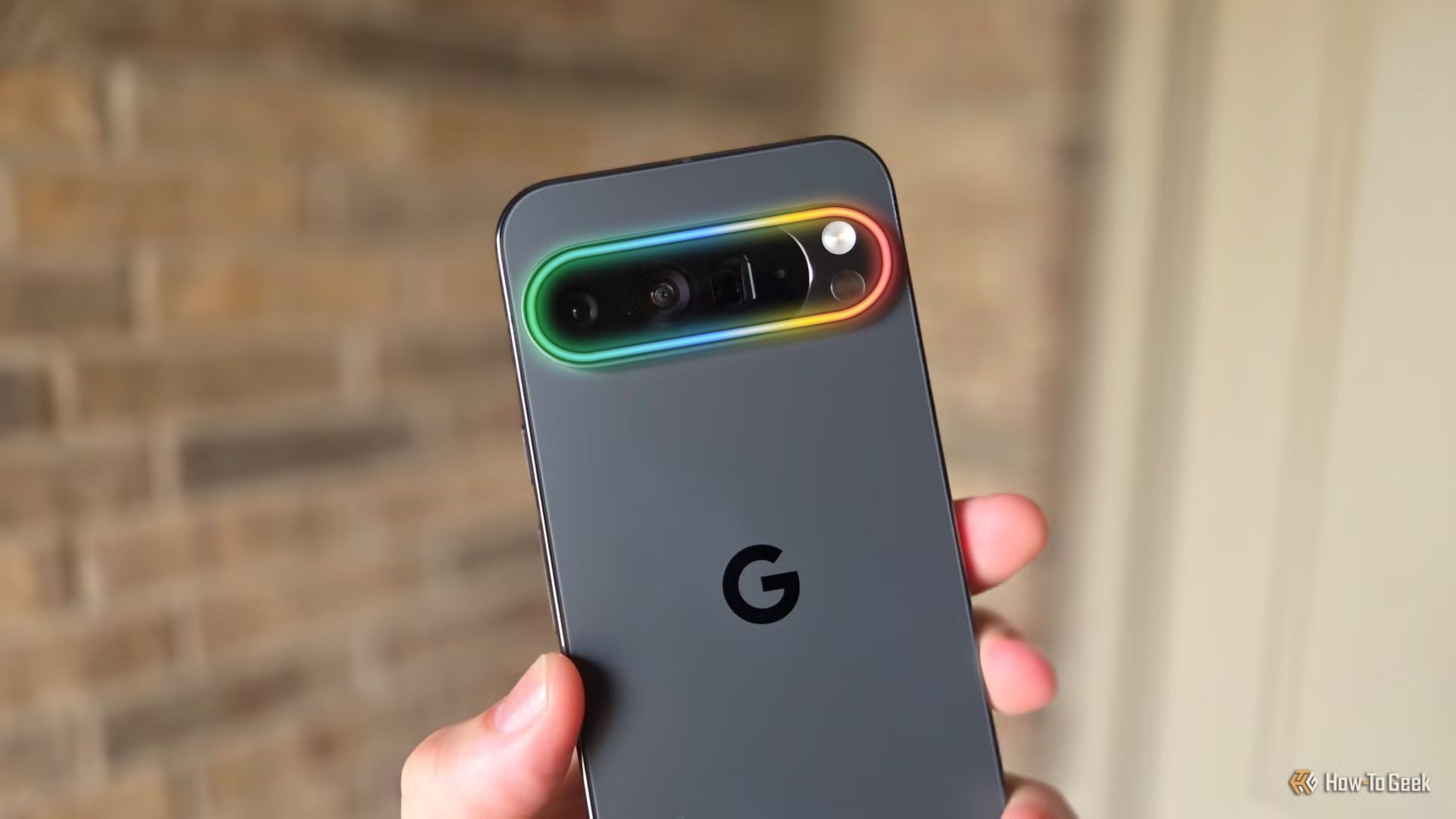
During the recent Google I/O keynote, analysts spotted a calibrated hardware teaser within an AI demonstration. This brief visual showed a Pixel-style device sporting a luminous outline around the camera housing. Consequently, industry experts linked this visual to the rumored “Pixel Glow” feature. This system likely functions as an LED-based notification array, allowing users to assign specific colors and patterns to high-priority contacts or system alerts. Furthermore, this integration suggests Google is prioritizing “glanceable” information to reduce screen-on time.
Structural Calibration and Hardware Benchmarks
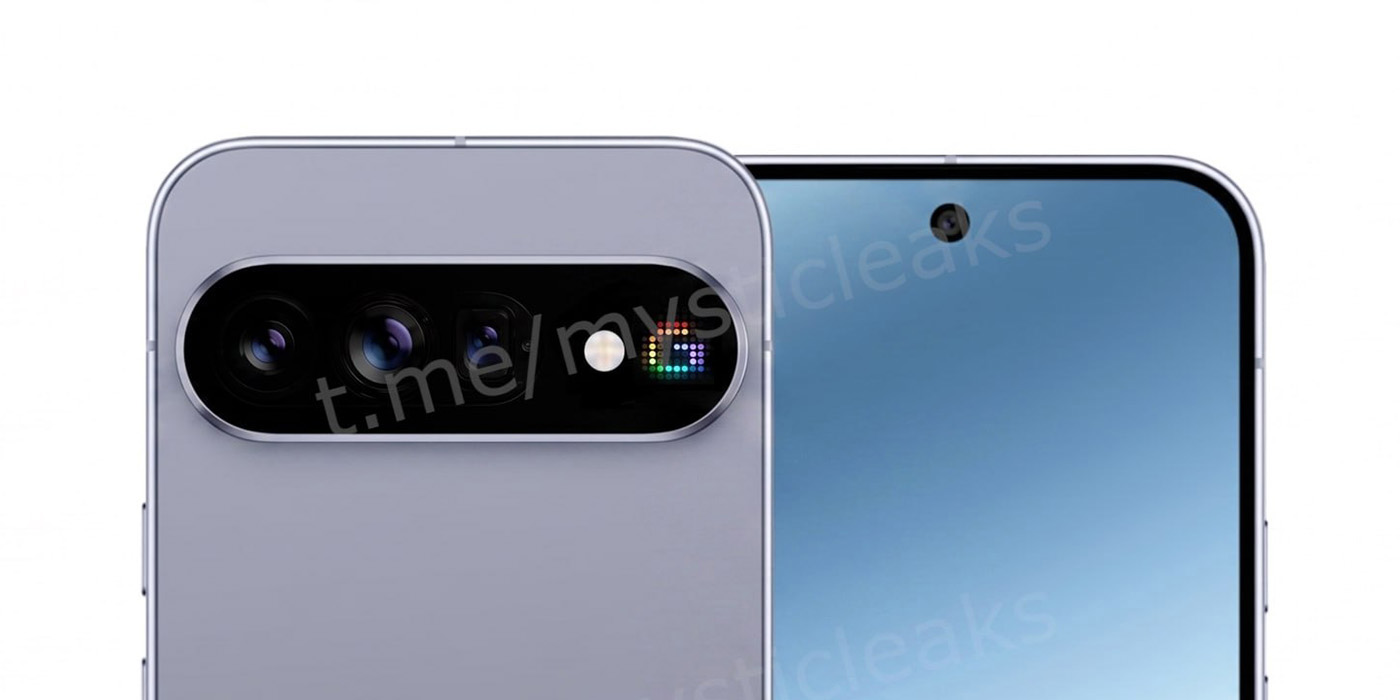
The Pixel 11 Pro is not merely an aesthetic update; it represents a comprehensive hardware optimization. Engineers have refined the chassis dimensions to 162.7 x 76.5 x 8.5mm, resulting in a slimmer profile than its predecessors. Additionally, the device will maintain a high-precision 6.8-inch LTPO AMOLED display, reinforced by thinner bezels for an immersive baseline. The core architecture includes the following specifications:
- Processor: 7-core Tensor G6 for advanced AI processing.
- Memory: Configurable 12GB or 16GB of RAM.
- Storage: 256GB base capacity.
- Energy: 5,500 mAh high-density battery.
- Connectivity: MediaTek M90 modem for optimized signal stability.
The Situation Room Analysis
The Translation
In technical terms, Google is shifting from “Passive UI” to “Active Hardware Signaling.” By embedding LEDs directly into the camera bar, the Pixel 11 Pro converts the phone’s backplate into a secondary display. This logic moves the notification ecosystem away from the power-hungry main screen, creating a more efficient feedback loop between the user and the machine.
The Socio-Economic Impact
For the Pakistani professional, this evolution increases productivity by enabling silent, non-intrusive monitoring of critical alerts during meetings or academic sessions. Moreover, the adoption of premium, “lifestyle-focused” hardware features helps maintain high resale value in the local second-hand market, which is a vital economic driver for tech consumers in urban centers like Karachi and Lahore.
The Forward Path
We categorize this development as a Momentum Shift. Google is no longer content with being a software-first entity; they are actively challenging design innovators like Nothing. By integrating the Pixel Glow feature, Google is establishing a distinct visual identity that separates its hardware from the generic Android crowd. This represents a bold step toward becoming a holistic lifestyle brand.