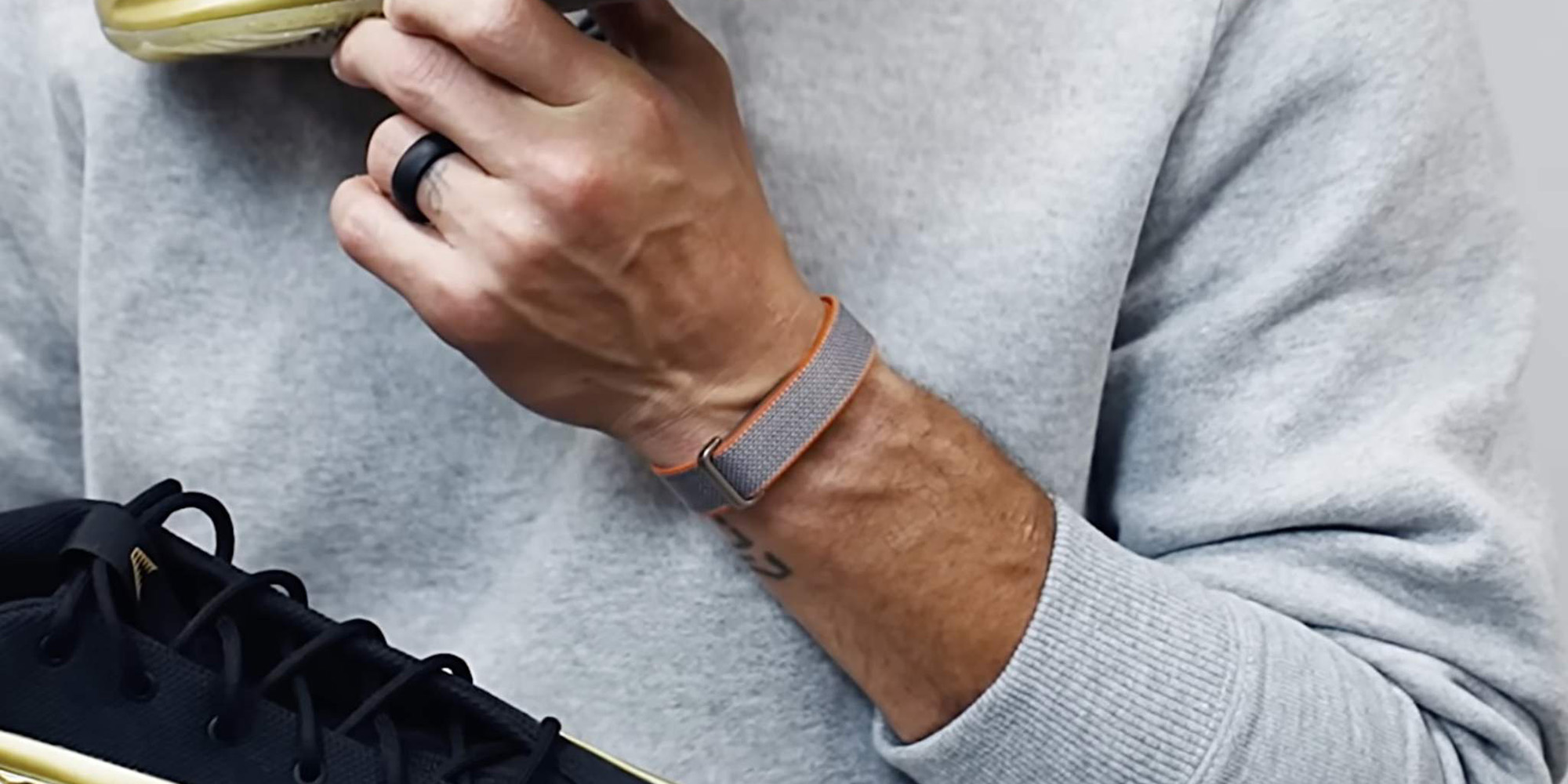
The global wearable landscape is witnessing a strategic architectural shift as evidence mounts regarding a comprehensive Google Fitbit rebranding. Google is reportedly calibrating its health portfolio to move Fitbit’s legacy software services under a centralized Google Health identity. This transition aims to streamline system efficiency across the Pixel and Fitbit hardware lineages.
Decoding the Google Health Premium Ecosystem
Data indicators from various European app stores recently revealed “Google Health Premium” listings, replacing the traditional Fitbit Premium nomenclature. Consequently, this suggests a structural pivot where Google prioritizes brand equity under its primary health banner. Users observed a new paint-stroke heart logo, signaling a fresh baseline for the company’s biometric data services.

Current pricing models for the rumored Google Health Premium appear to mirror existing Fitbit subscription tiers. Furthermore, Google has already begun trialing these unified offerings as “perks” within specific UK subscription bundles. This precision-focused consolidation ensures that diverse data streams—from heart rate variability to sleep cycles—reside within a singular, robust Google cloud infrastructure.
Hardware Continuity: The Google Fitbit Air Strategy
While the software undergoes a radical transformation, the hardware division may retain its heritage. Reports indicate that a screen-free fitness tracker, potentially named the Google Fitbit Air, is currently in development. This approach allows Google to maintain the Fitbit brand’s hardware reputation while migrating the underlying intelligence to its broader AI ecosystem.
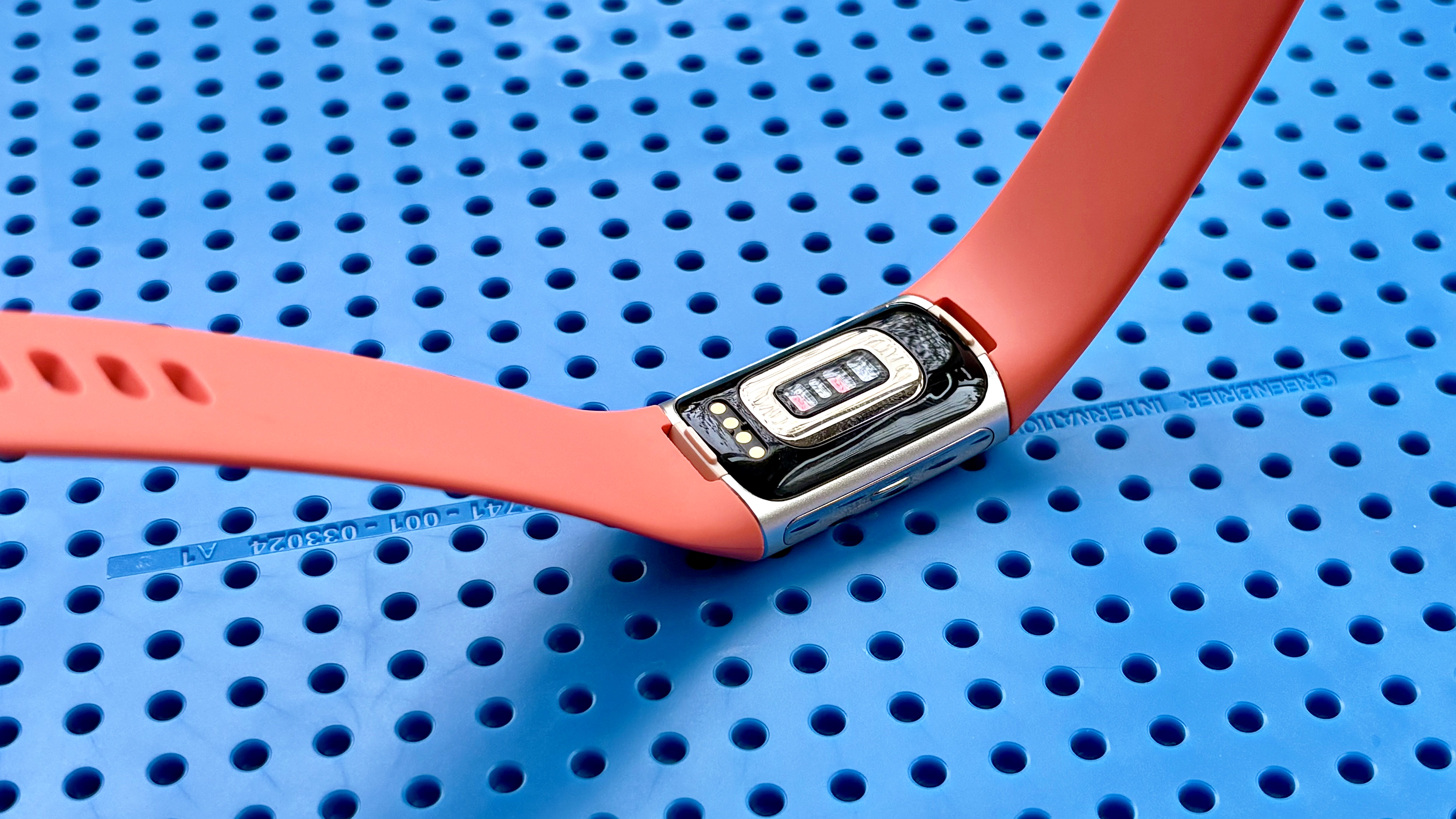
Strategically, this keeps the entry barrier low for new users while anchoring them to Google’s software services. By maintaining the Fitbit name on devices like the Sense 2 or the upcoming Air, Google secures its market share in the wearable sector while refining its digital health frontier.

The Situation Room Analysis
The Translation
Technically, this isn’t just a name change; it is a data-level integration. Google is moving away from “siloed” applications. By rebranding Fitbit to Google Health, they are merging Fitbit’s superior biometric tracking with Google’s advanced machine learning algorithms. This creates a more cohesive “System of Intelligence” rather than just a “System of Record.”
The Socio-Economic Impact
For the Pakistani consumer, this consolidation could lead to better localized health insights but may also introduce stricter subscription-based barriers. As Google integrates health data more deeply into its ecosystem, Pakistani students and professionals using Pixel or Fitbit devices will likely see more seamless integration with Google Workspace and Android. However, the potential for “subscription fatigue” remains a concern if essential health metrics are locked behind a global Google Health Premium paywall.
The Forward Path
This development represents a Momentum Shift. Google is finally addressing the fragmentation that has plagued its wearable strategy since the 2021 Fitbit acquisition. By centralizing the brand, Google is positioning itself to compete more aggressively with Apple Health. This move is a catalyst for a more unified, AI-driven future in personal health management.