
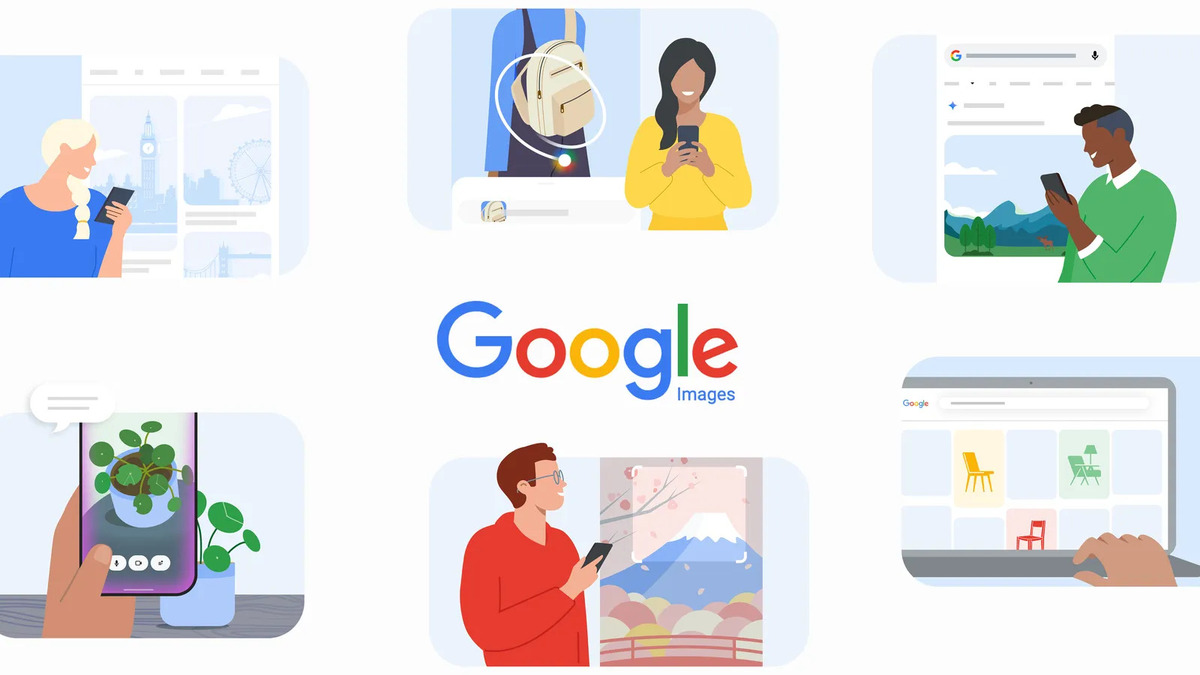
The evolution of digital information retrieval has reached a critical baseline. This recent Google Images redesign represents a calibrated effort to merge search utility with generative creativity. To commemorate 25 years of service, Google is deploying a structural overhaul that includes real-time personalized galleries and integrated AI image generation. Consequently, the platform is no longer just a static index; it is now a catalyst for visual innovation.
Precision Through Personalized Architectures
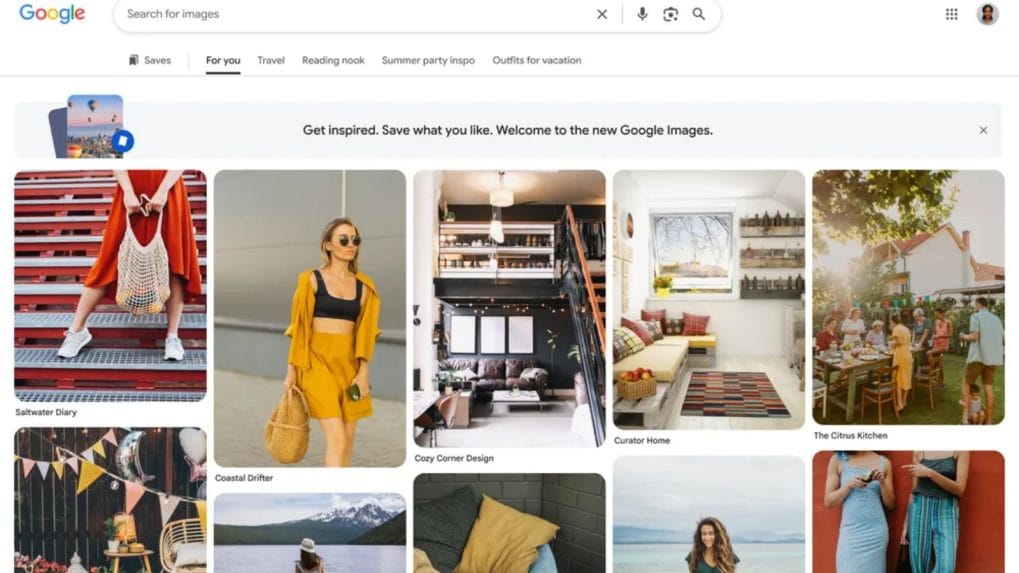
Google is replacing the traditional blank landing page with a dynamic, interest-based gallery. This interface utilizes real-time data to suggest visual content tailored to the user’s historical preferences. Specifically, desktop users in the US will see these changes roll out in the coming weeks, requiring a secure Google account login for access.
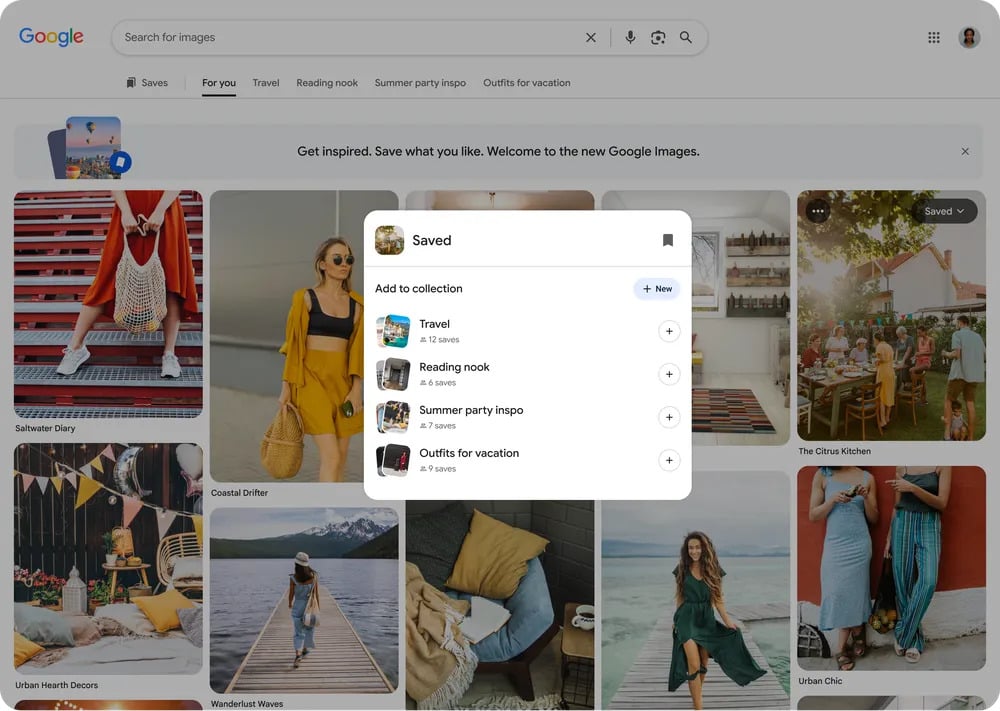
Furthermore, the system optimizes image management through streamlined “Collections.” Users can now access saved content via intuitive tabs located directly above the primary gallery. This structural adjustment minimizes the friction between discovery and organization, allowing for a more fluid research experience.

Generative Intelligence: The Nano Banana Model
A core component of this update is the integration of image generation directly within AI Overviews. By leveraging the Nano Banana model, Google enables users to synthesize visuals from text prompts without exiting the search ecosystem. This feature addresses the gap where specific visual requirements do not exist in the current web index.

In addition, Google highlighted the historical significance of visual search. The platform’s origin story traces back to the 2000 Grammy Awards, where a surge in queries for Jennifer Lopez’s Versace dress signaled a shift in user demand. Since then, Google has systematically scaled its capabilities, from Google Lens in 2018 to the current AI-driven Google Images redesign.
The Situation Room Analysis
The Translation
The “Pinterest-like” description refers to a fundamental shift from reactive search to proactive discovery. Instead of waiting for a specific query, Google now presents a curated feed of data. This logic mimics social media algorithms to keep users within the ecosystem, turning a utility tool into a visual inspiration engine.
The Socio-Economic Impact
For the Pakistani freelance economy and student population, this represents a significant increase in efficiency. Designers and content creators can now generate baseline visual assets using the integrated Nano Banana model, reducing reliance on expensive stock libraries. In urban centers like Karachi and Lahore, this democratizes high-end visual production for small-scale entrepreneurs.
The Forward Path
We categorize this development as a Momentum Shift. By embedding generative AI into the primary search interface, Google is setting a new industry standard. This move transitions the search engine from a middleman that directs traffic to a creator that fulfills user needs instantly.








