

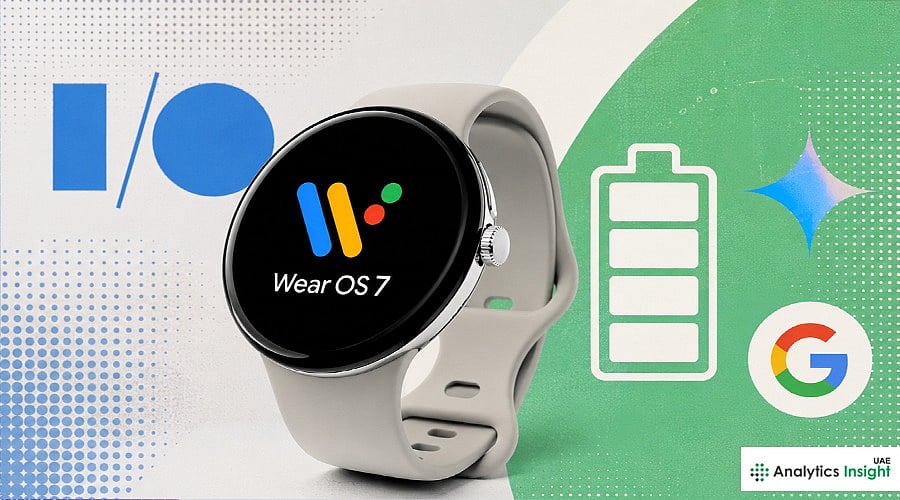
Google’s official unveiling of Wear OS 7 at the 2026 I/O conference marks a calibrated shift toward deep system efficiency and edge-computing intelligence. Built upon the robust Android 17 architecture, this latest smartwatch platform prioritizes battery longevity and seamless Gemini AI integration. Consequently, users can expect a more responsive interface that transforms the wearable from a passive notification hub into a proactive digital assistant.
The Translation: Decoding System Efficiency
The transition to Wear OS 7 represents a structural move away from legacy software limitations. Google has replaced the traditional “Tiles” with a standardized Wear Widgets framework, allowing developers to adapt phone-based layouts with precision. This change eliminates the need to build separate interfaces from scratch. Furthermore, the system achieves a 10% improvement in battery life through software-level optimization. This gain is independent of hardware, meaning existing devices will see an extra two to four hours of runtime purely through smarter power management.
Advanced Intelligence and Live Connectivity
A primary catalyst for this update is the deployment of Gemini Nano v3. While this hardware requirement currently limits Gemini Intelligence to 2026 flagship models like the Pixel Watch 4, the platform offers significant benefits for all users:
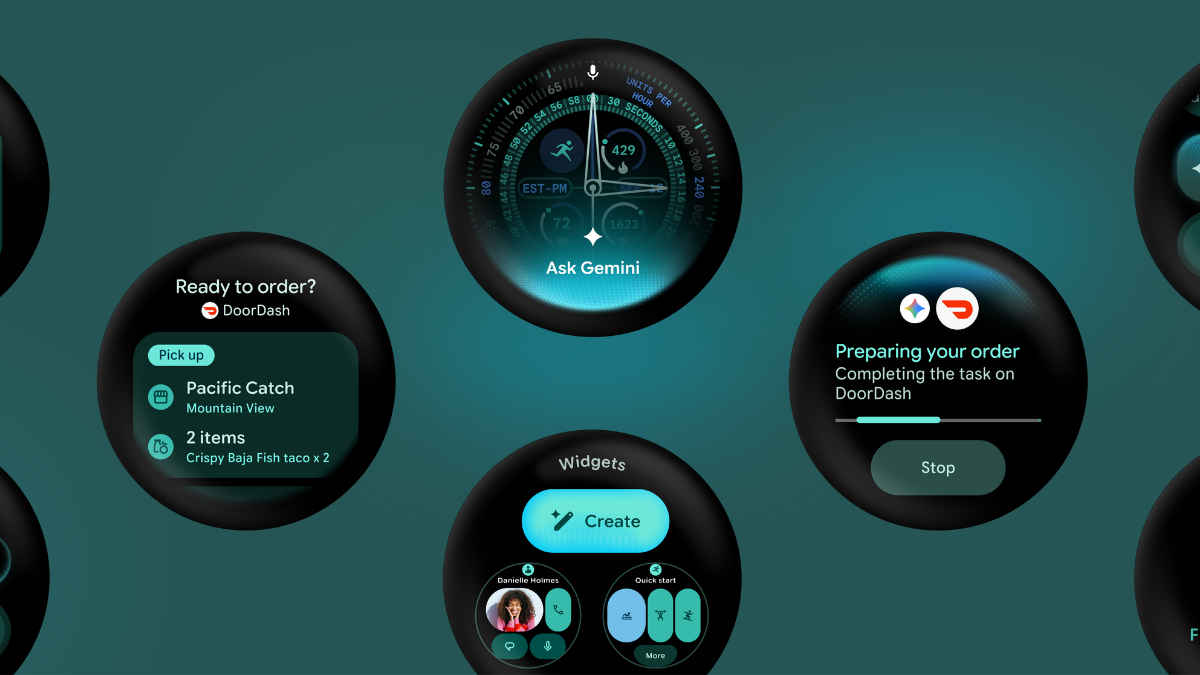
- AppFunctions API: Enables natural voice commands to control third-party apps without manual interaction.
- AI Widget Sync: Synchronizes custom AI-generated widgets directly from Android phones to the watch face.
- Live Updates: Displays real-time data such as rideshare status and sports scores directly on the active display.
The Socio-Economic Impact
For the Pakistani professional and student, Wear OS 7 provides a baseline for enhanced personal productivity. By extending battery life by up to four hours, the system ensures that citizens in urban centers remain connected despite long commutes or demanding schedules. Moreover, the AppFunctions integration lowers the barrier for health monitoring and task management. This democratization of AI tools allows users to manage their daily routines with greater precision, fostering a more efficient workforce in a rapidly digitizing economy.
The Forward Path: Architect’s Opinion
We view the launch of Wear OS 7 as a definitive Momentum Shift in the wearable sector. Rather than relying on brute-force hardware upgrades, Google is utilizing software precision to extract more value from existing silicon. The integration of Gemini AI as an orchestrator for third-party apps signals a future where the smartwatch is the primary interface for rapid, context-aware decisions. This move successfully stabilizes the platform while setting an aggressive trajectory for the next generation of AI-native hardware.








