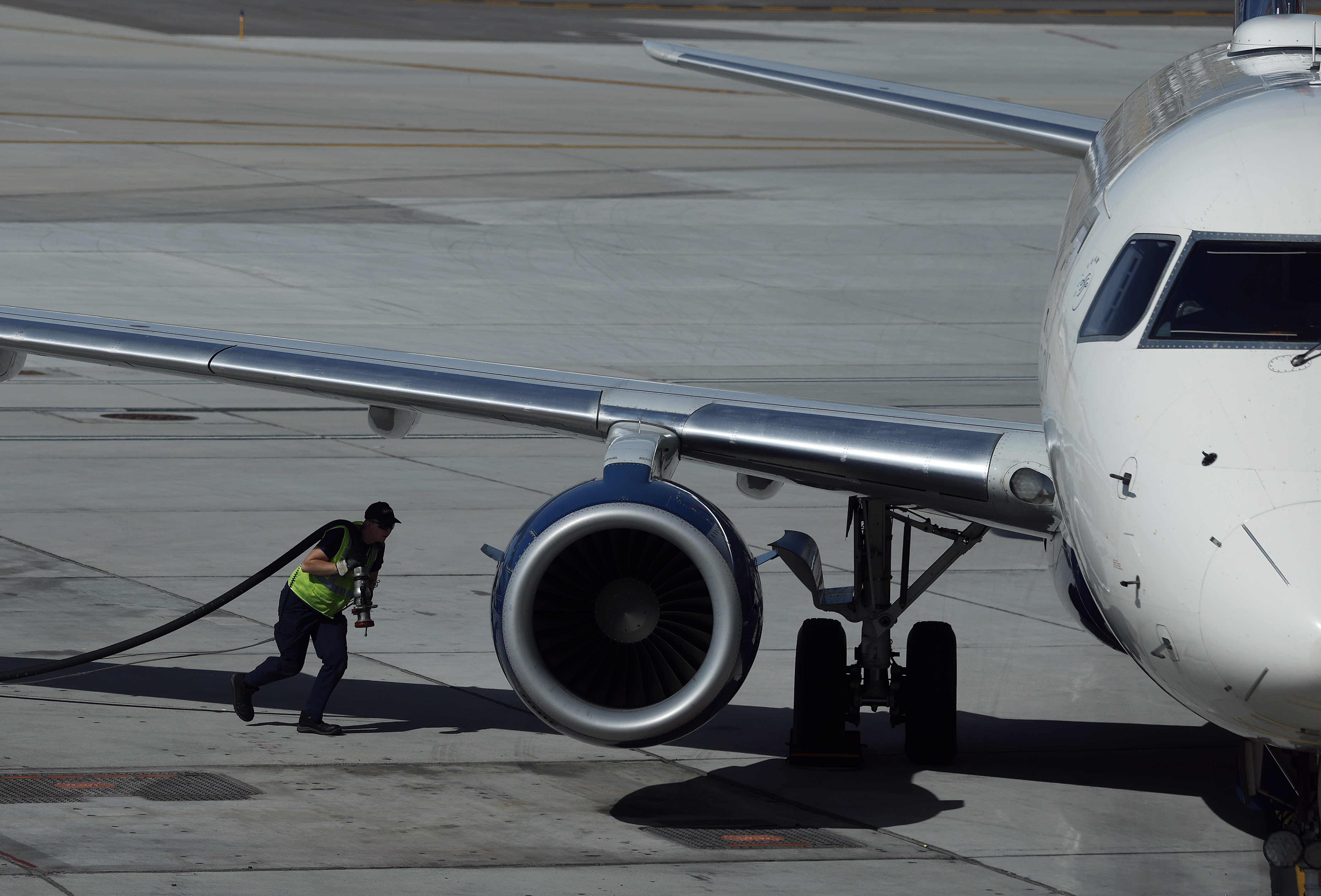
Goods transporters across Pakistan have implemented a 4 percent freight fare hike following recent petroleum price adjustments. This structural change in logistics pricing aims to offset surging operational overheads that currently threaten the baseline of the national supply chain. Transport leaders, including Malik Shehzad Awan, warn of a potential nationwide strike unless the government removes burdensome toll taxes and withholding fees immediately.
The Translation: Analyzing the Logistic Catalyst
High fuel prices act as a direct catalyst for logistical inflation. Consequently, when the “blood” of the economy—petroleum—becomes more expensive, the vascular system of trade must recalibrate its pricing model. Transporters are currently operating on razor-thin margins. Malik Shehzad Awan emphasized that some operators have been forced to park their vehicles because operational expenses have eclipsed revenue potential. This move is a strategic survival mechanism for a sector under intense fiscal pressure.

The Socio-Economic Impact: Ripple Effects on Citizens
This freight fare hike will inevitably ripple through the domestic market, impacting the price of essential commodities. From food supplies to construction materials, every link in the value chain will absorb these increased transport costs. For the average Pakistani household, this translates to higher grocery bills and reduced purchasing power. In contrast to urban centers, rural communities may face even sharper price spikes due to their reliance on long-haul logistics. Professionals and students alike will feel the inflationary pressure as the systemic costs of transport are passed down to the consumer level.
- Food Security: Increased costs for transporting agricultural products to urban markets.
- Industrial Output: Higher raw material costs for manufacturing sectors.
- Household Stability: General inflation on all trucked consumer goods.
The Forward Path: A Stabilization Move
This development represents a Stabilization Move rather than a Momentum Shift toward progress. While the increase is necessary for the survival of transport fleets, it highlights a critical lack of structural efficiency in Pakistan’s energy and logistics policies. Transporters are demanding the removal of traffic fines and withholding taxes to avoid a total system failure. Furthermore, a shift toward digitized tolling and tax rationalization is essential to prevent a complete logistical shutdown. Without these calibrated interventions, the threat of a nationwide strike remains a looming catalyst for further economic disruption.