

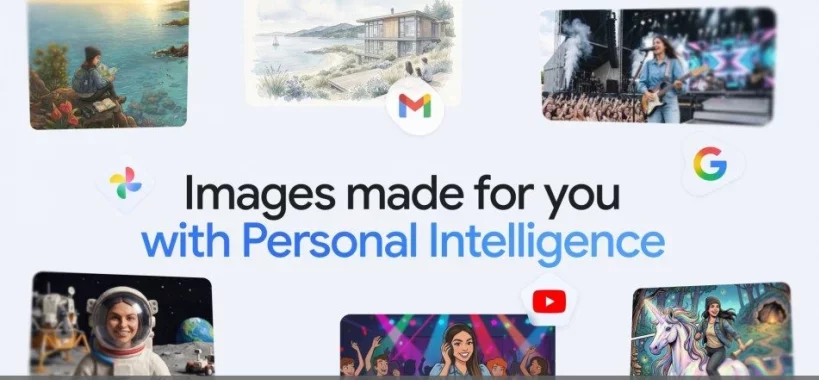
Google has calibrated its generative ecosystem by enabling users to create personalized Gemini images through a strategic integration with Google Photos. By leveraging the Nano Banana 2 model, Gemini now interprets personal library context to generate visuals that reflect individual identities and history without requiring exhaustive manual prompts. Consequently, the tool transforms a static photo repository into a dynamic catalyst for creative synthesis.
Mastering Personalized Gemini Images through Library Context
The updated interface allows users to connect Google Photos directly to the Gemini environment. This structural shift reduces the cognitive load on the user; instead of drafting intricate prompts, the system utilizes existing metadata and visual history. For instance, a simple request like “design my dream house” now incorporates personal preferences extracted from the user’s stored imagery. Furthermore, this precision ensures that the generated output aligns with the user’s established aesthetic baseline.
Strategic Recognition of Family and Activity
Gemini employs advanced family and activity recognition to synthesize specific scenes. If a user has utilized the tagging feature in Google Photos, the AI can identify individuals and reconstruct collaborative scenarios. A prompt such as “create a claymation image of my family enjoying our favorite activity” becomes a precision-guided task. The model analyzes tagged faces and frequent activity patterns to deliver a customized visual narrative that resonates on a personal level.

Algorithmic Refinement and Source Transparency
Because this feature represents a new technological frontier, Google acknowledges that initial results may require calibration. Users maintain control through a feedback loop, refining prompts or uploading manual reference photos to correct visual discrepancies. Additionally, Gemini includes a “Sources” button. This tool provides transparency by detailing how the AI applied personal context, allowing users to audit the logic behind the generated personalized Gemini images.
Privacy Protocols and Model Training
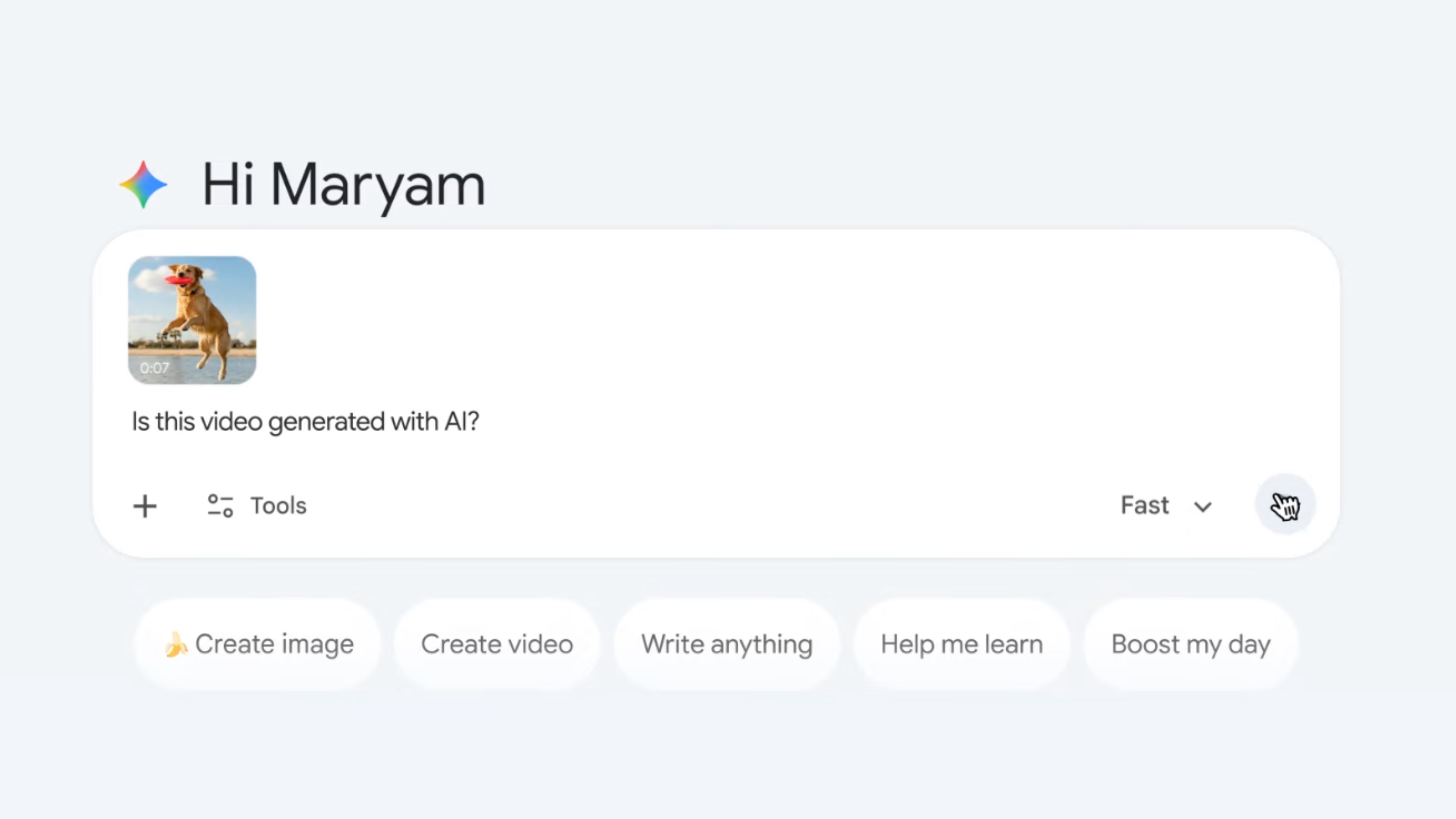
Security remains a primary architectural pillar for this rollout. Google explicitly stated that it does not train its foundational AI models on private Google Photos libraries. However, limited data packets—including specific prompts and model responses—are utilized to improve system functionality over time. This approach balances the need for algorithmic growth with the imperative of user data sovereignty.

The Situation Room Analysis
The Translation
In technical terms, Google is moving from “General AI” to “Contextual AI.” Previously, Gemini could create an image of a “family,” but it was a generic representation. By integrating the Google Photos API, the system now uses your specific facial data and environmental history as a baseline for generation. This reduces the “prompt engineering” barrier, making high-quality, relevant AI generation accessible to non-technical users.
The Socio-Economic Impact
For the average Pakistani citizen, this tool democratizes digital content creation. Small business owners can now generate marketing materials featuring their actual products or team personas with minimal effort. Students and creative professionals can prototype visual ideas faster than ever. It shifts the labor from “description” to “curation,” significantly increasing efficiency in the digital economy.
The Forward Path
This development represents a Momentum Shift. By bridging the gap between personal data and generative capabilities, Google is setting a new standard for ecosystem utility. While privacy concerns persist regarding prompt data, the strategic advantage of personalized AI output is undeniable. This is a foundational step toward a truly individualized digital assistant.








