
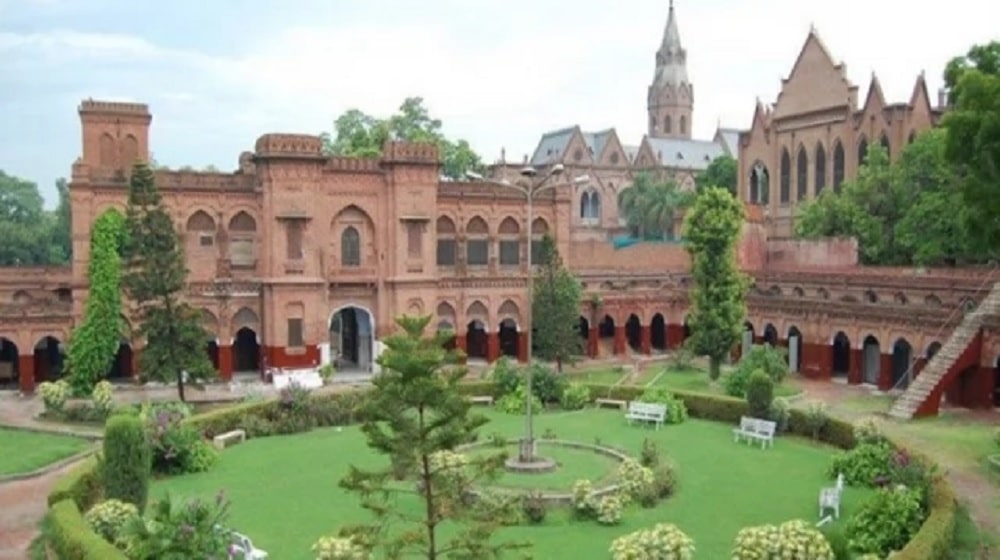
The educational ecosystem in Lahore faces a significant structural shift as Government College University (GCU) implements a 150% surge in GCU semester fees. This abrupt adjustment targets summer and repeat courses, disrupting the financial baseline for thousands of students. Consequently, the cost per subject has escalated from Rs. 6,000 to a steep Rs. 15,000 without a calibrated transition period.
Analyzing the Impact of Revised GCU Semester Fees
University administrations serve as the catalysts for academic progress, yet sudden fiscal revisions often create friction in student mobility. Students report that the university provided no prior notice before enforcing these new rates. Furthermore, those enrolled in multiple repeat courses now face an aggregate expenditure ranging between Rs. 30,000 and Rs. 45,000. This precision-based hike leaves many families struggling to synchronize their budgets with the new academic reality.
The Translation: Breaking Down the Logic
In technical terms, GCU has recalibrated its revenue model for auxiliary semesters to meet rising operational overheads. However, the university bypassed the standard “communication lead time” necessary for student financial planning. By increasing the unit cost of education by 150% overnight, the administration has prioritized immediate liquidity over the long-term academic retention of its student body.

The Socio-Economic Impact: Daily Realities
This fee revision directly affects the disposable income of middle-class households in both urban and rural Pakistan. For a student from a low-income background, a Rs. 9,000 increase per subject acts as a structural barrier to graduation. Consequently, this may lead to higher dropout rates among students who require academic remediation. In contrast to previous years, the path to degree completion now requires a significantly higher capital investment, straining the economic mobility of the next generation.

The Forward Path: Momentum Shift or Stabilization?
We categorize this development as a Stabilization Move gone wrong. While the university seeks fiscal sustainability, the execution lacks the strategic foresight required for a STEM-driven institution. For education to remain a catalyst for national advancement, fee structures must remain predictable and calibrated to the economic reality of the citizens. The administration must urgently review these costs to prevent a complete stall in student momentum.
Visit EduNation to find scholarships from around the world.








