
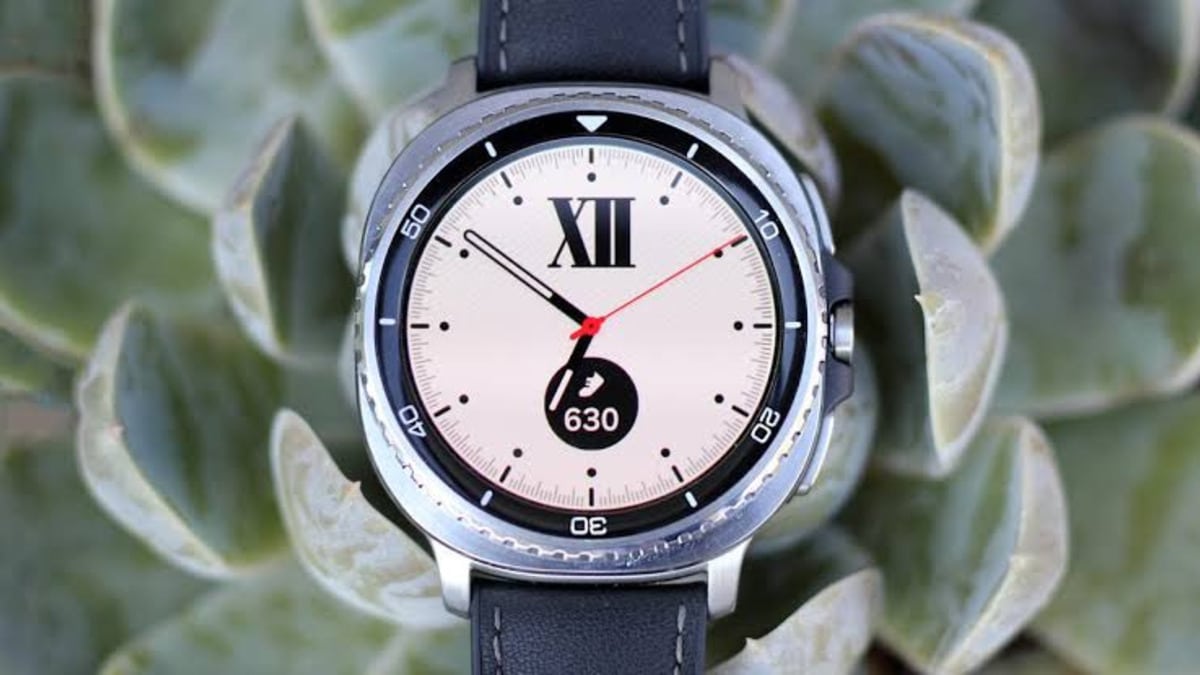
Digital infrastructure and personal wearable ecosystems represent the next frontier of systemic efficiency. Recent leaks regarding the Galaxy Watch Ultra 2 suggest that Samsung is preparing to launch a device calibrated for extreme performance and longevity. According to high-fidelity renders shared by industry insiders, this new iteration will debut alongside a suite of flagship devices at the Galaxy Unpacked event in London on July 22. Consequently, the tech landscape is bracing for a significant shift in wearable power density.
Architectural Refinement and Visual Precision
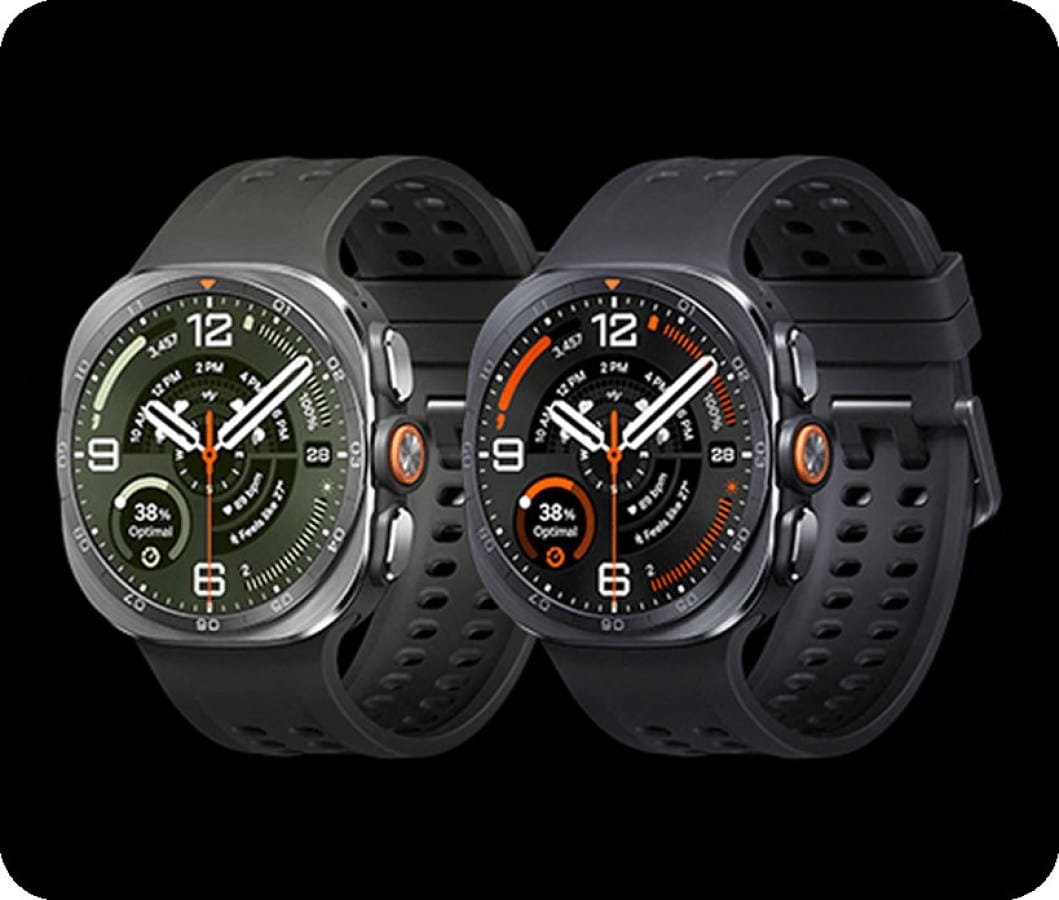
The leaked renders indicate that Samsung maintains its sophisticated design language while introducing critical structural upgrades. The Galaxy Watch Ultra 2 retains its signature squircle frame, yet the chassis is reportedly 12 percent thinner than the previous generation. This reduction brings the thickness down to approximately 10.6mm, enhancing both ergonomics and aesthetic appeal. Furthermore, the titanium construction ensures a premium, rugged baseline for durability.
Visual clarity reaches a new peak with a rumored 5,000-nit display. This level of brightness acts as a catalyst for perfect legibility in high-glare environments. Samsung has also integrated an IP69K rating, providing advanced protection against high-pressure water and dust ingress.
The 800mAh Battery and Snapdragon Wear Elite Performance
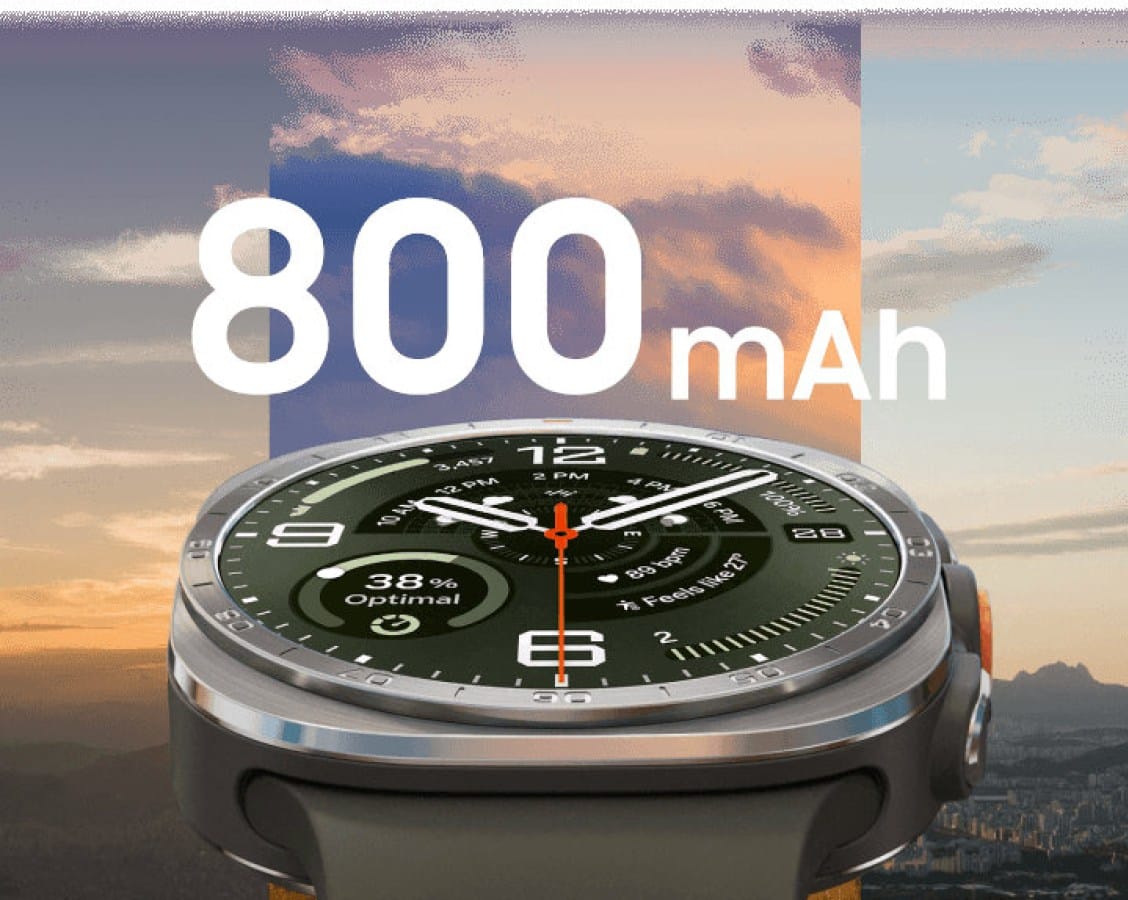
Internal hardware specifications reveal a major leap in computational efficiency. The Galaxy Watch Ultra 2 will likely utilize the Qualcomm Snapdragon Wear Elite chipset, a processor designed for high-precision tasks and optimized energy consumption. This silicon upgrade is paired with a massive 800mAh battery, representing a 35 percent increase over the 590mAh unit found in its predecessor.
Strategic integration of this larger battery suggests that Samsung is targeting multi-day endurance for power users. While real-world testing remains pending, the combination of a more efficient chipset and increased capacity sets a new industry standard for wearable uptime.
The Situation Room
The Translation
To understand these leaks, one must look at the efficiency ratio. The transition to the Snapdragon Wear Elite chipset means the watch processes data faster while using less energy. Similarly, the IP69K rating isn’t just about water resistance; it signifies that the device can withstand industrial-grade pressure. Effectively, Samsung is moving the Galaxy Watch Ultra 2 from a consumer accessory to a professional-grade biometric tool.
The Socio-Economic Impact
For the Pakistani professional and student, this development enhances the reliability of the personal tech stack. Extended battery life reduces the “charging anxiety” prevalent in regions with fluctuating power availability. Additionally, the improved durability ensures that a high-cost investment survives the diverse environmental conditions of Pakistan, from urban heat to rural ruggedness, providing long-term value for households.
The Forward Path
This development represents a Momentum Shift. By prioritizing battery density and display brightness, Samsung is addressing the two primary pain points of modern wearables. The Galaxy Watch Ultra 2 is not merely an incremental update; it is a strategic move to dominate the high-performance smartwatch sector through sheer hardware superiority.








