
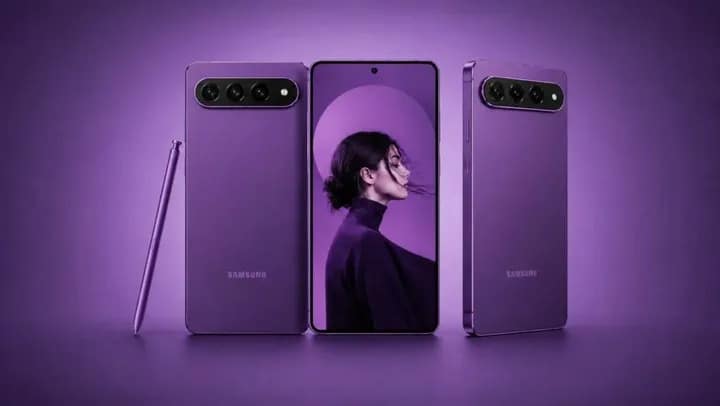
Samsung is calibrating a structural shift in mobile security by democratizing elite hardware across its entire ecosystem. Specifically, recent reports indicate that the Galaxy S27 Privacy Display technology will expand from a single premium model to the complete four-device lineup in 2027. This precision move ensures that the standard, Plus, Pro, and Ultra variants all benefit from advanced hardware-level visual security.
Strategic Integration of the Galaxy S27 Privacy Display
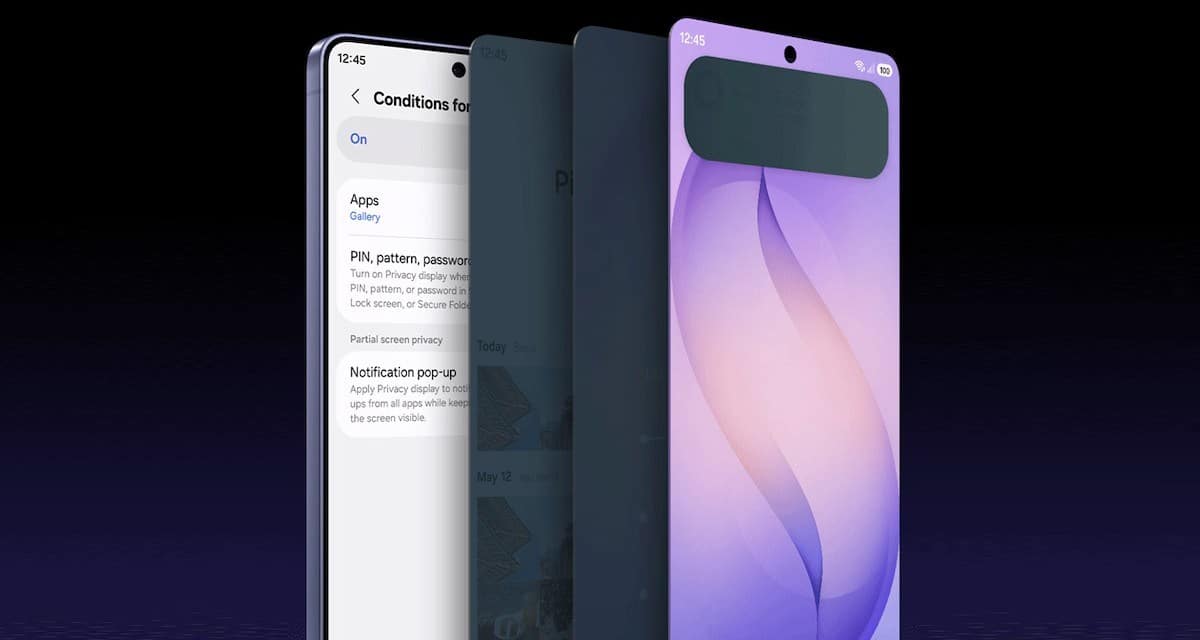
The core mechanism of this technology involves a sophisticated separation of standard pixels and dedicated privacy pixels. Consequently, when a user activates the privacy mode, the screen restricts viewing angles to maintain visibility only for the direct operator. Furthermore, this system eliminates the need for external screen protectors, which often degrade touch sensitivity and color accuracy.
- Adaptive Control: Users can toggle privacy for specific apps or sensitive notification pop-ups.
- Hardware Synergy: Samsung Display will manufacture these panels internally, ensuring baseline quality control.
- Market Scale: Global shipments of privacy-enabled units are projected to hit 29 million by 2027.
The Translation: Precision Engineering Explained
In technical terms, Samsung is moving away from software-based “dimming” and toward physical light direction. By utilizing internal Samsung Display panels rather than outsourced components, the company maintains a tight grip on the pixel architecture. This allows for a Galaxy S27 Privacy Display that operates without the traditional resolution loss seen in early prototypes. It is a transition from reactive software patches to proactive hardware foundations.
The Socio-Economic Impact: Privacy in the Public Sphere
For the average Pakistani professional or student, this development transforms daily digital interactions. In crowded urban environments like metro buses or shared workspaces, private banking and personal communications remain shielded from “shoulder surfing.” This accessibility to high-tier security on the “Base” and “Plus” models reduces the financial barrier to digital safety, empowering a broader segment of the population with professional-grade tools.
The Forward Path: A Momentum Shift
We categorize this development as a Momentum Shift. Samsung is no longer using security as a “upsell” lever for the Ultra model. Instead, they are establishing privacy as a baseline requirement for the modern digital citizen. While challenges like power consumption on foldable variants remain, the commitment to standardized hardware-level privacy indicates a maturing philosophy in smartphone architecture. This precision-driven approach will likely force competitors like Oppo and Vivo to accelerate their own security roadmaps.








