
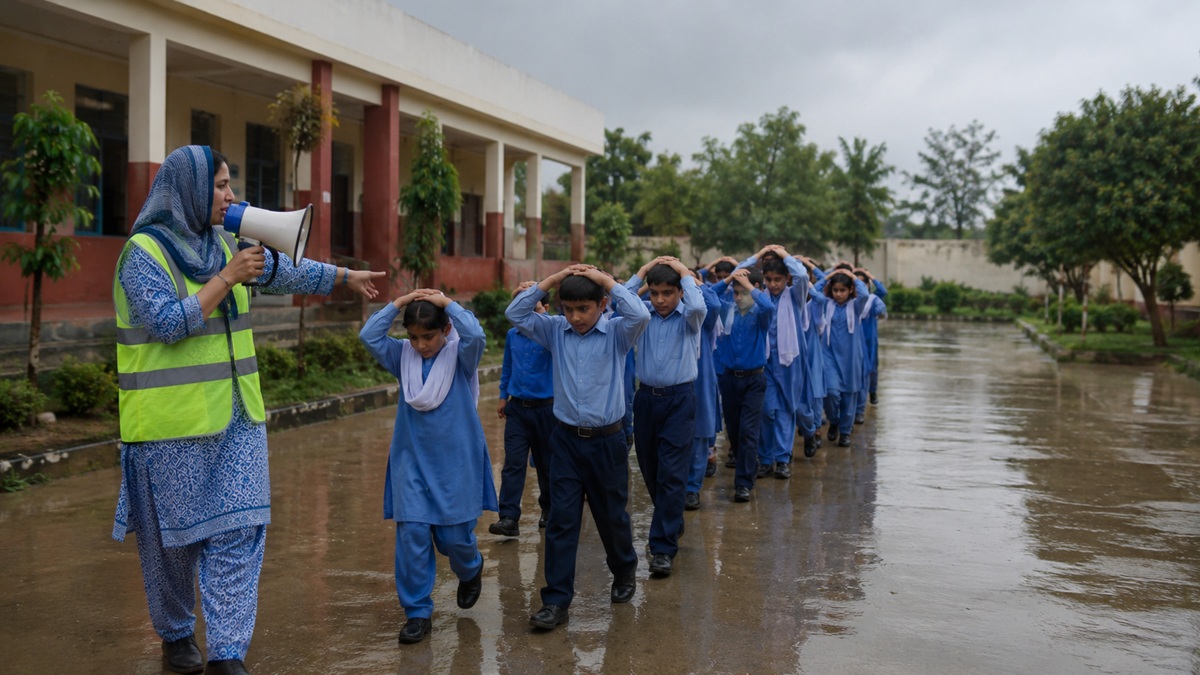
The Rawalpindi School Education Department has initiated a calibrated response to monsoon risks by institutionalizing flood safety drills across the division. This strategic move establishes a baseline for disaster resilience, ensuring that students and faculty remain prepared for high-intensity weather events. By prioritizing structural safety and emergency protocols, the department aims to mitigate the historical disruptions caused by seasonal rainfall.
Implementing Systematic Flood Safety Drills
Educational authorities have issued a precise directive to all heads of institutions. School administrations must execute immediate measures to protect the student body, teaching staff, and physical school buildings. Consequently, these flood safety drills serve as a catalyst for environmental awareness among the youth. Furthermore, administrators are now accountable for safeguarding critical assets, including:
- Computer Laboratories: Protecting expensive digital infrastructure from water damage.
- Libraries and Records: Ensuring the longevity of official documents and educational materials.
- Building Integrity: Identifying structural vulnerabilities before they escalate.
The department requires schools to submit precision-based reports regarding any rain-related damage. These reports must include detailed cost estimates for repairs, ensuring that the fiscal baseline for maintenance remains transparent and accurate.
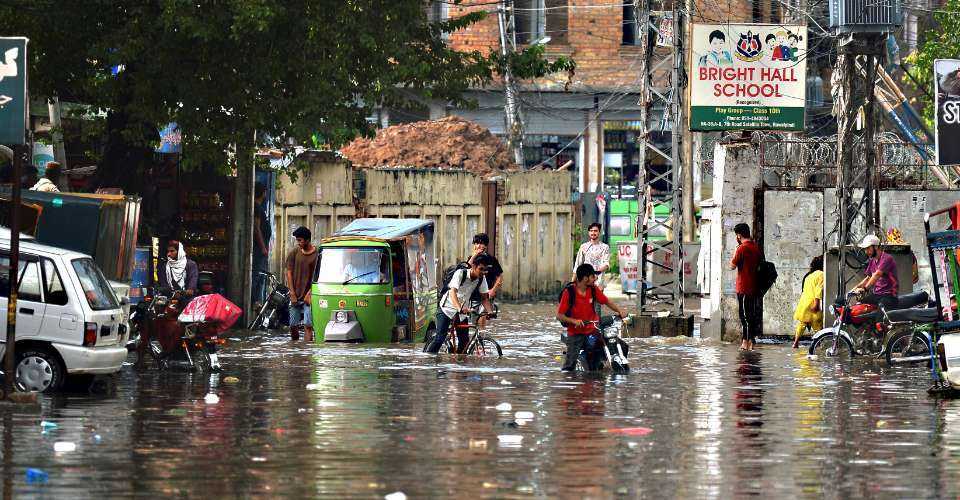
The Situation Room: Analyzing Educational Resilience
The Translation
In technical terms, the department is shifting from a “reactive repair” model to a “proactive mitigation” framework. Instead of waiting for flood damage to occur, the mandate for flood safety drills forces institutions to identify risks in real-time. This structural evolution ensures that the system logic prioritizes human life and asset preservation over bureaucratic delays.
The Socio-Economic Impact
This development directly impacts the daily lives of thousands of Pakistani households. For parents in Rawalpindi, these drills offer psychological security, knowing their children are trained in survival protocols. Economically, protecting school equipment prevents the loss of taxpayer-funded resources, allowing the government to allocate funds toward innovation rather than repetitive repairs. For students, it ensures that the academic calendar remains uninterrupted by seasonal crises.
The Forward Path
Next Generation Pakistan views this mandate as a Momentum Shift. While simple in execution, the institutionalization of safety protocols represents a departure from traditional “crisis management” toward “systematic resilience.” This is a vital step in aligning Pakistan’s educational infrastructure with global safety standards.








