
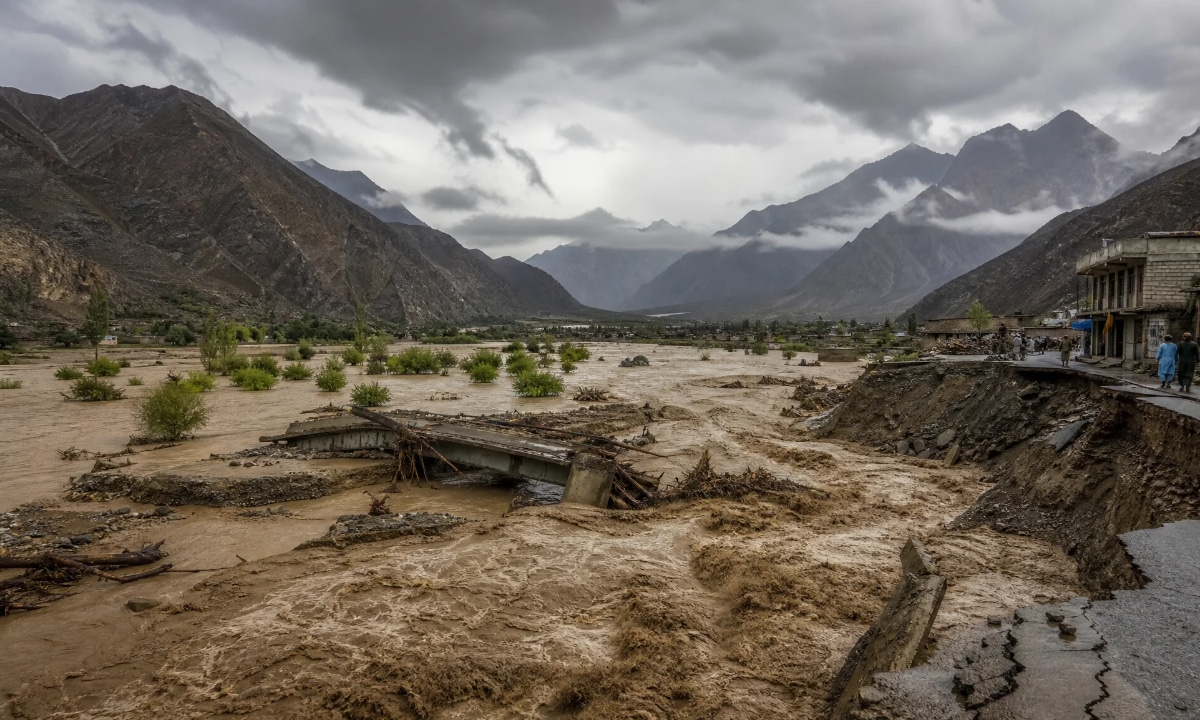
Systemic climate shifts are currently recalibrating the topographical safety of Northern Pakistan as Gilgit-Baltistan flash floods disrupt critical supply chains and regional connectivity. The Pakistan Meteorological Department (PMD) has calibrated a high-risk Glacial Lake Outburst Flood (GLOF) alert for Gilgit-Baltistan and Khyber Pakhtunkhwa. Consequently, officials anticipate accelerated snow and ice melt throughout the first week of August, potentially destabilizing narrow valleys and downstream settlements.
Analyzing the Impact of Gilgit-Baltistan Flash Floods
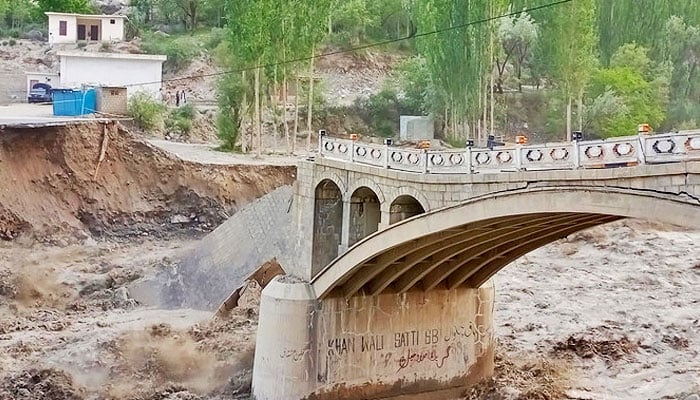
The Met Office identifies warm thermal patterns and intermittent precipitation as the primary catalysts for increased water levels. These environmental factors heighten the risk of debris flows and landslides on steep terrain. Furthermore, the Gilgit-Baltistan Disaster Management Authority (GBDMA) reports 89 flood-related incidents this monsoon season alone. These events have systematically damaged residential structures, bridges, and highways, leaving several communities isolated.
Infrastructure Restoration and Strategic Response
In response to the structural failure of key routes, authorities are deploying a temporary Bailey bridge on the Baltistan Highway. Chief Minister Amjad Hussain recently ordered the immediate restoration of all communication links across the region. Additionally, the administration is prioritizing the delivery of food and medical aid to stranded travelers. Strategic traffic management remains a baseline requirement for stabilizing the region’s logistics during this period of environmental instability.
The Situation Room
The Translation (Clear Context)
A Glacial Lake Outburst Flood (GLOF) occurs when the structural integrity of a glacial dam fails, releasing massive volumes of water. In this context, the combination of high temperatures and rain acts as a precision catalyst, melting ice faster than natural drainage systems can manage. This creates a “tsunami effect” in narrow valleys, where the water gains velocity and carries destructive debris downstream.
The Socio-Economic Impact
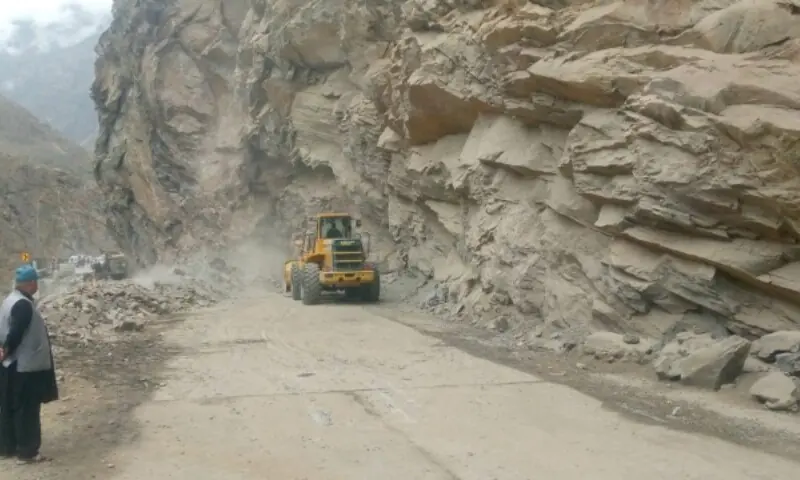
The disruption of the Baltistan Highway directly threatens the economic baseline of local households. For students and professionals, road closures represent a total halt in physical mobility and access to educational institutions. Urban centers may face supply chain shortages, while rural settlements face heightened medical risks due to severed emergency transport routes. Consequently, the cost of essential goods typically rises during these periods of isolation.
The Forward Path (Opinion)
The current response represents a Stabilization Move. While the installation of Bailey bridges provides immediate relief, it is a reactive measure rather than a structural solution. To achieve a true “Momentum Shift,” Pakistan must invest in climate-calibrated infrastructure and advanced sensor networks. Precision monitoring of glacial lakes is no longer a luxury; it is a fundamental requirement for the long-term viability of the region.








