Calibrated Confidence: Securing the UAE Deposit Rollover
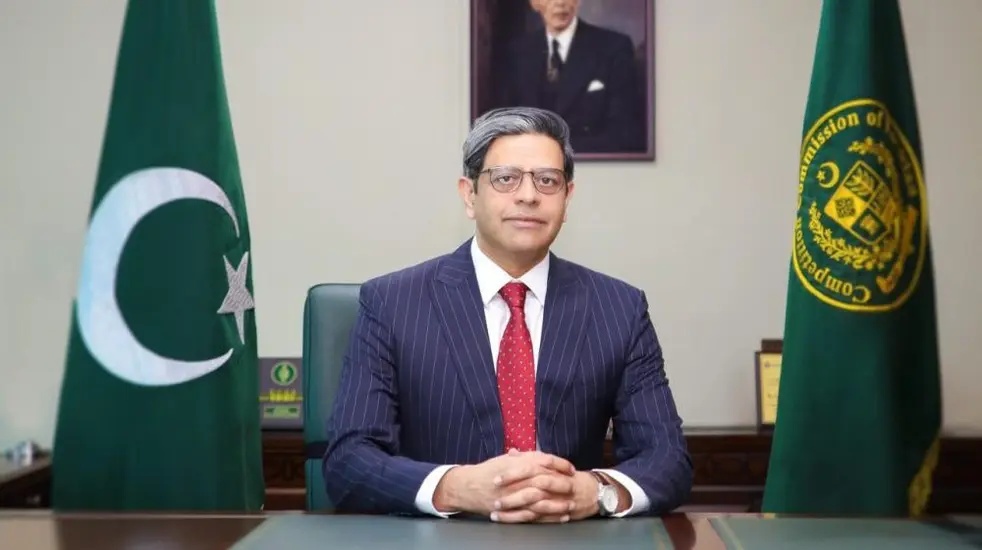
Pakistan’s financial architecture anticipates a seamless extension of critical support. Federal Minister for Finance, Muhammad Aurangzeb, recently expressed confidence in the upcoming UAE deposit rollover, systematically dismissing any concerns regarding potential procedural complexities. This strategic financial maneuver is crucial for national economic stability, reinforcing Pakistan’s fiscal resilience.
In an exclusive conversation with ProPakistani, Minister Aurangzeb unequivocally stated the absence of any “issue” pertaining to the rollover. He assured that the extension process would be completed without difficulty, signifying a robust bilateral financial relationship. Furthermore, these discussions unfold amidst ongoing engagements with the International Monetary Fund (IMF).
The Translation: Deconstructing Financial Commitments
The term “deposit rollover” refers to the extension of an existing financial deposit, preventing its maturity and withdrawal. In this context, it signifies the United Arab Emirates’ continued commitment to providing crucial budgetary support to Pakistan. This mechanism allows Pakistan to retain the funds, thus bolstering its foreign exchange reserves and enabling more stable economic planning.
The Finance Minister’s confident declaration underscores a proactive diplomatic and financial strategy. It suggests that underlying negotiations have established a solid baseline for this extension, mitigating speculative market anxieties. Consequently, this provides a clear signal of sustained international financial partnerships.

Socio-Economic Impact: Stabilizing the National Economy
For the Pakistani citizen, the assurance of a smooth financial support extension directly translates into enhanced economic predictability. Stabilized foreign reserves reduce currency volatility, which can lead to more predictable import costs and, by extension, stable prices for essential goods. This outcome directly benefits households by shielding them from abrupt inflationary pressures.
Furthermore, a stronger financial position empowers the government to pursue critical development projects, impacting infrastructure, education, and healthcare. Students and professionals alike benefit from an environment where strategic investments can be made, fostering growth and opportunity rather than merely managing fiscal crises. The IMF’s engagement with the business community, welcomed by Aurangzeb, indicates a structural approach to economic reform that seeks long-term benefits across all segments of society.
The Forward Path: A Stabilization Move for System Efficiency
This development represents a Stabilization Move for Pakistan’s economic system. While not a singular “Momentum Shift” that introduces radical new growth, it is a critical action that reinforces existing financial frameworks and prevents potential systemic shocks. The successful UAE deposit rollover establishes a reliable baseline for financial operations, allowing the national economy to consolidate its position.
The disciplined engagement with both the UAE and the IMF reflects a commitment to structural integrity. This move is less about rapid expansion and more about building a resilient, predictable financial environment. It strategically positions Pakistan to pursue future growth from a foundation of measured stability, a calibrated approach essential for long-term national advancement.