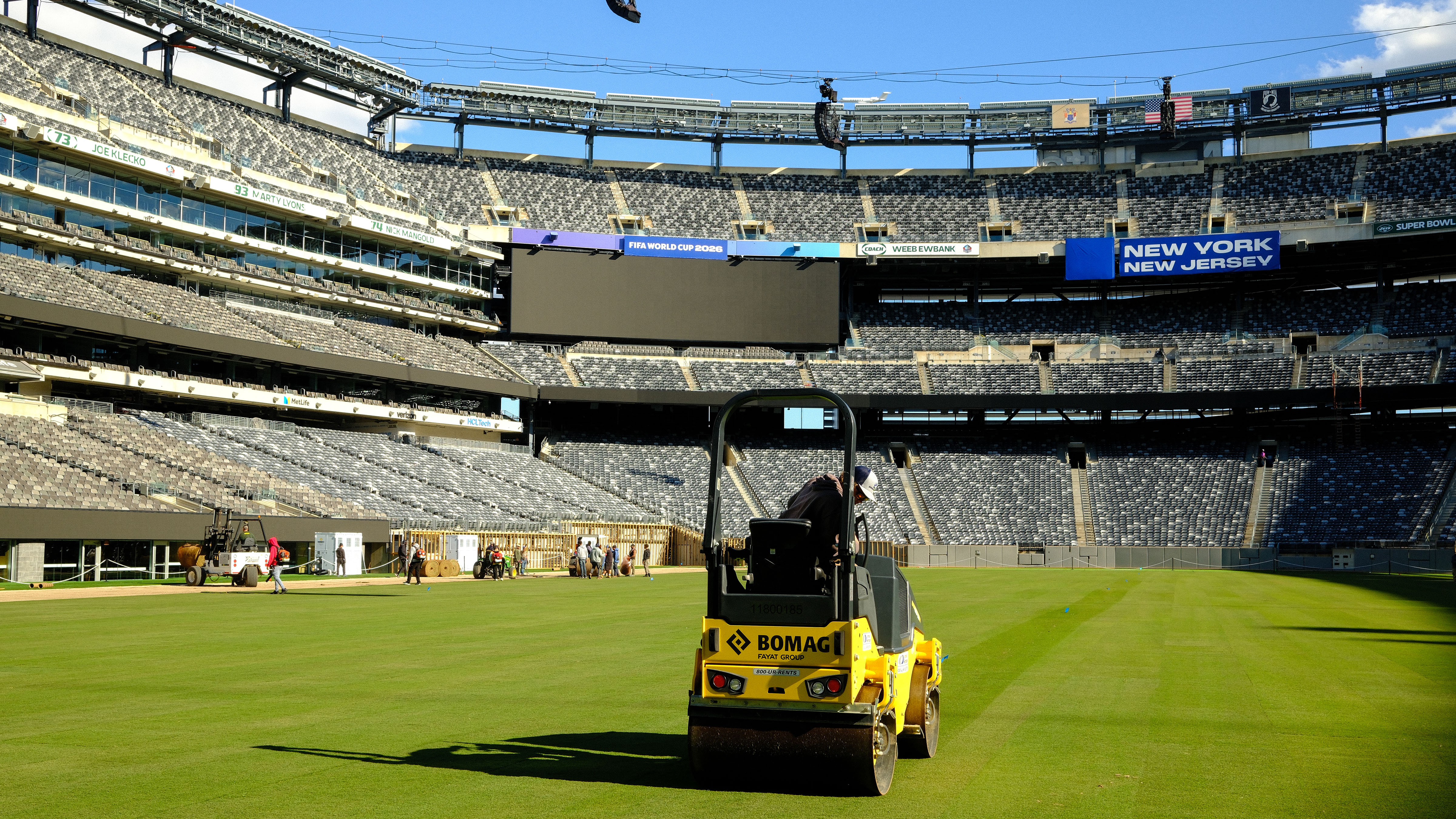
The global sports economy is witnessing a structural shift as FIFA recalibrates the baseline for premium accessibility. In a move that has sparked significant debate, the governing body tripled the price of the most expensive 2026 World Cup tickets, pushing the cost of premium seats at MetLife Stadium to a staggering $32,970. This strategic adjustment from the previous $10,990 baseline has prompted US lawmakers to demand immediate transparency regarding “opaque” pricing mechanisms.
Analyzing the Calibrated Price Surge
FIFA released these updated figures just as New Jersey Democrats Nellie Pou and Frank Pallone Jr. challenged the organization’s ticketing hierarchy. Previously, the top-tier Category 1 tickets were listed at $10,990. However, the organization has now replaced that option with limited wheelchair and easy-access seating, while relocating premium fans into a high-cost bracket.

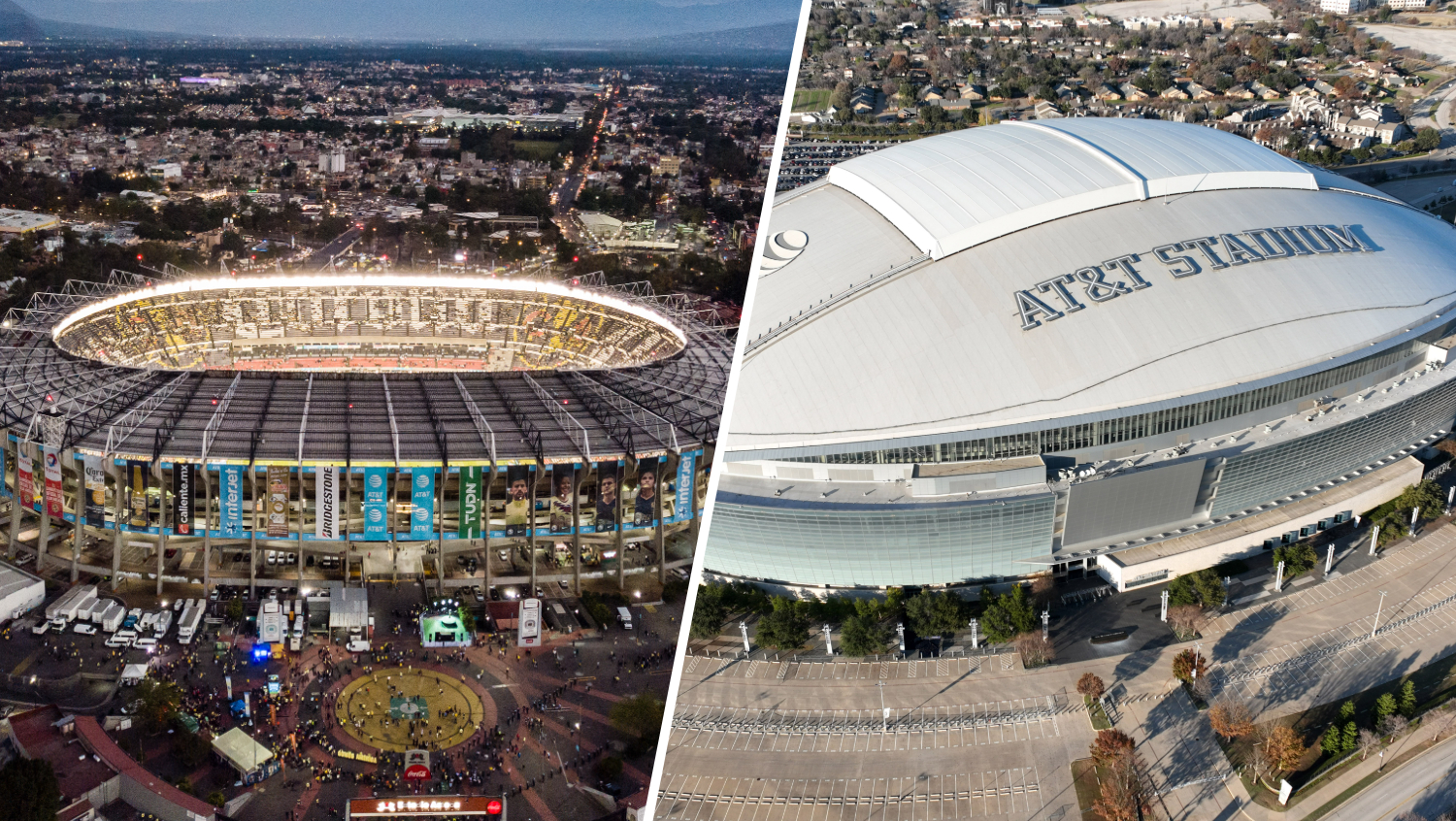
Furthermore, this inflationary trend extends beyond the final match. Top-tier seats for the semi-finals in Arlington and Atlanta now exceed $10,000. Consequently, even group stage matches involving the United States have seen prices oscillate between $840 and $3,000, signaling a new era of high-barrier entry for fans.
The Translation (Clear Context)
The logic behind this move rests on “market-clearing” dynamics. FIFA President Gianni Infantino maintains that the organization is simply responding to existing demand. By setting high primary market rates, FIFA aims to capture revenue that would otherwise flow to the secondary resale market. Essentially, they are attempting to standardize what was previously an unregulated scalping ecosystem.
The Socio-Economic Impact
For the average Pakistani fan or local household, these developments represent a widening gap in the “democratization of sport.” When ticket prices for 2026 World Cup tickets reach the equivalent of a luxury vehicle, the tournament risks alienating the middle-class professional. This shift transforms a collective national celebration into an exclusive corporate event, potentially reducing the grassroots momentum typically generated by global tournaments.
The “Forward Path” (Opinion)
This development constitutes a Stabilization Move for FIFA’s revenue streams but a potential “Momentum Loss” for fan engagement. While capturing resale value is a precise fiscal strategy, the lack of transparency creates friction with governmental regulators. For the system to remain efficient, FIFA must balance market demand with the fundamental spirit of the game. Otherwise, they risk engineering a spectacle that only the elite can witness.