FIFA is currently engineering a massive financial expansion, aiming to calibrate a record-breaking 2026 World Cup prize money pool for all 48 participating nations. This strategic initiative follows a period of unprecedented fiscal strength, where the organization projected a baseline revenue of $11 billion for the 2023-2026 cycle. Consequently, the proposed funding reflects a 50% increase from previous tournaments, establishing a new global benchmark for sporting incentives.
The Structural Architecture of the 2026 World Cup Prize Money
The governing body recently confirmed that the total financial contribution for the tournament will reach at least $655 million. Under this calibrated framework, the eventual winners will secure $50 million, while the runners-up are slated to receive $33 million. Even teams exiting during the group stage will earn a strategic $9 million payout, ensuring that participation serves as a catalyst for national association growth.
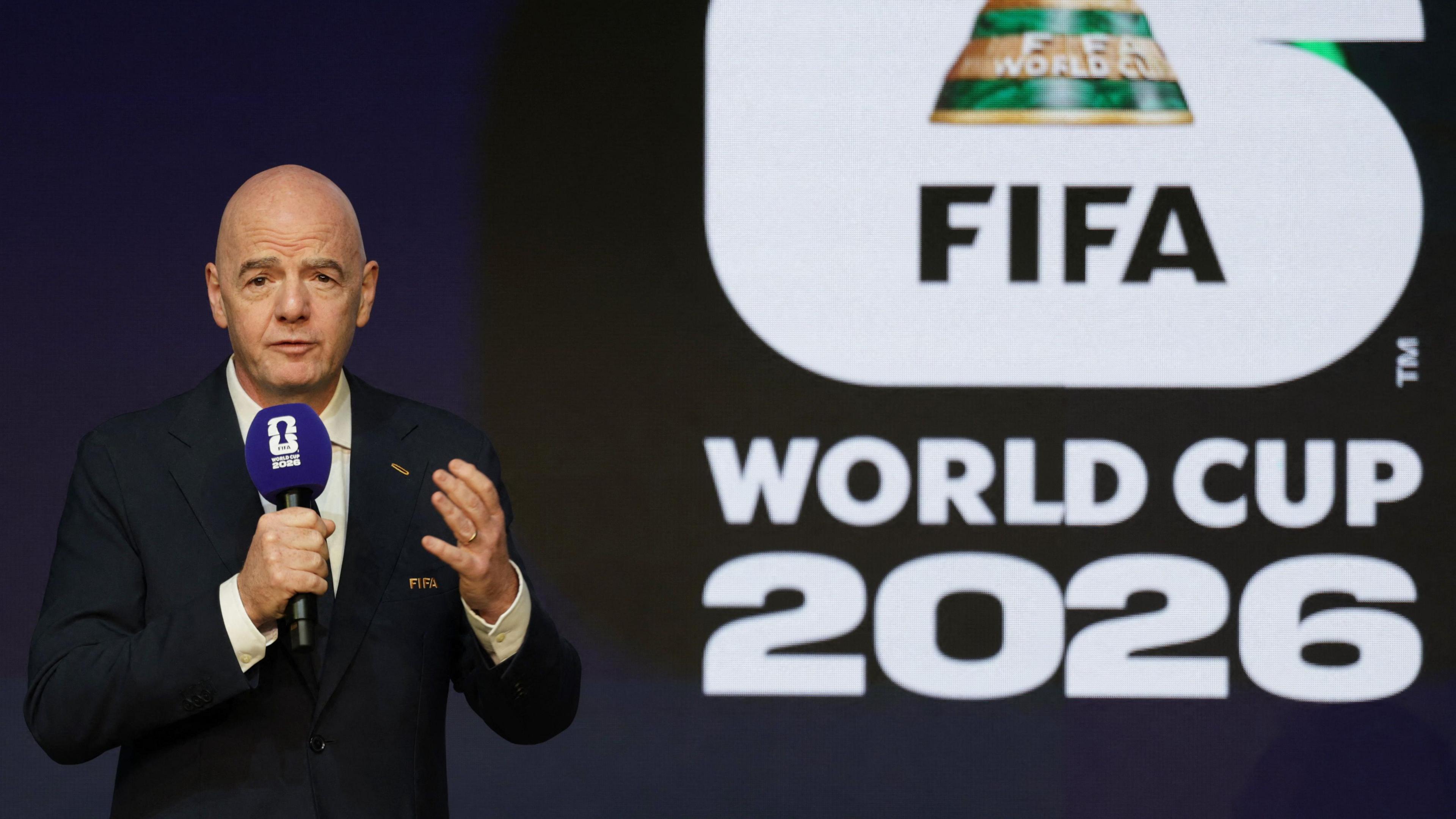
Furthermore, FIFA is allocating $1.5 million to every qualified team specifically for preparation costs. This precise distribution ensures that smaller associations can compete on a level playing field without being hindered by logistical constraints. The successful inaugural 32-team Club World Cup in the United States acted as a primary driver, securing 93% of budgeted revenue well ahead of schedule.
The Translation: Breaking Down the Data
In “Next Gen” terms, FIFA is moving from a passive regulatory body to a high-output financial engine. By leveraging the commercial success of expanded tournaments, they are effectively redistributing wealth back into the “FIFA Forward” programme. This isn’t just about big checks for winners; it is about ensuring the 211 member associations have the structural capital to modernize their domestic football ecosystems.
The Socio-Economic Impact: What This Means for Pakistan
For a developing football nation like Pakistan, these figures represent more than just professional sports news. Increased development funding through the FIFA Forward programme directly impacts local infrastructure, coaching standards, and grassroots academies. As the 2026 World Cup prize money pool grows, the trickle-down effect provides the Pakistan Football Federation (PFF) with a strategic opportunity to modernize training facilities and provide pathways for local talent to reach the international stage.
The Forward Path: Momentum Shift or Stabilization?
This development represents a significant Momentum Shift. By surpassing the $11 billion revenue threshold, FIFA is not merely maintaining the status quo; it is aggressively scaling the economic potential of the sport. This financial precision ensures that the 2026 tournament—spanning the US, Mexico, and Canada—will be the most lucrative and impactful event in football history, creating a permanent baseline for future growth.