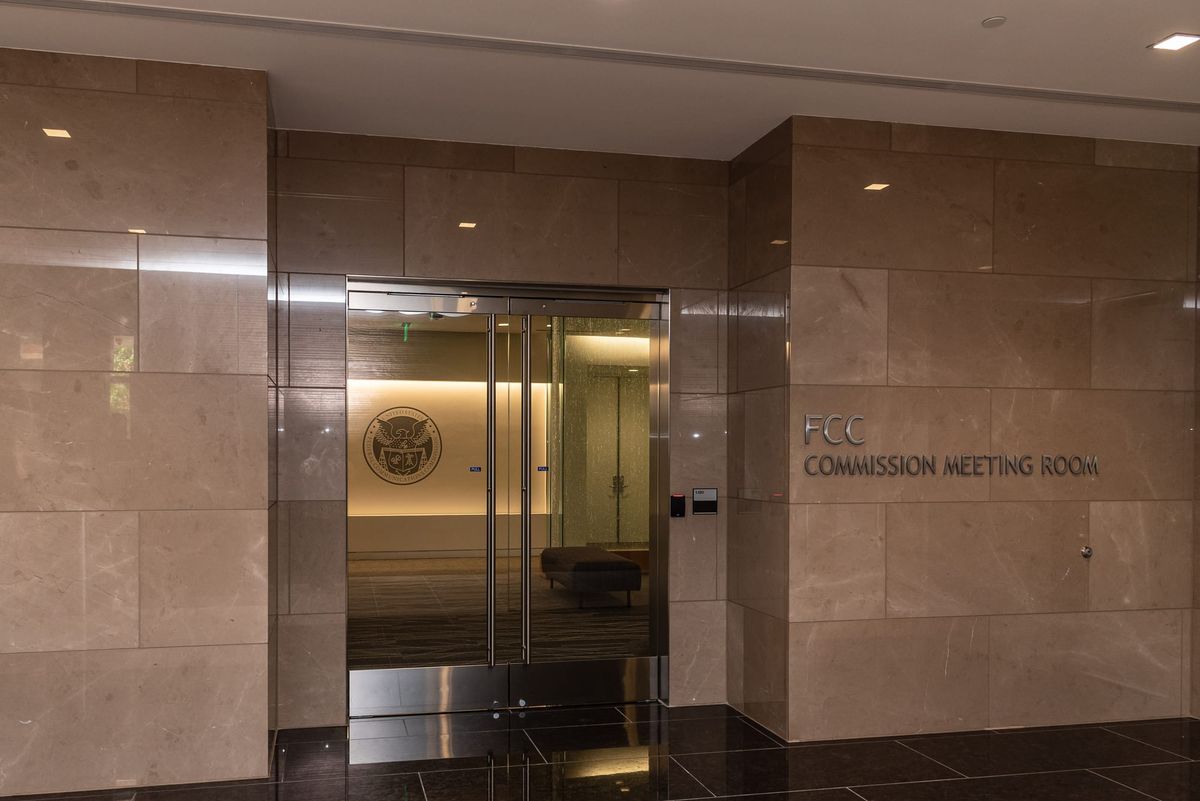
Strategic autonomy in the digital age requires a calibrated approach to hardware integrity. Consequently, the Federal Communications Commission (FCC) has initiated an FCC testing ban on electronic devices verified in Chinese laboratories. This structural shift aims to safeguard the US market from potential vulnerabilities embedded during the certification process. Currently, manufacturers conduct approximately 75% of US-bound device testing within Chinese facilities. This move signals a baseline change in how global tech giants must validate their hardware before deployment.
Recalibrating the Certification Process
To enter the US market, every electronic device must secure FCC certification to verify radio emissions and network compatibility. Historically, labs located within manufacturer R&D centers in China performed most of this critical analysis. However, the new FCC testing ban effectively terminates this reliance on non-aligned infrastructure. Under this proposal, the regulator will only accept results from countries maintaining a Mutual Recognition Agreement (MRA) with the United States. Since China lacks such an agreement, manufacturers must now pivot their logistical frameworks to approved global labs.

The Translation: System Logic and Protocols
In technical terms, an MRA acts as a diplomatic bridge, allowing nations to trust each other’s technical standards and testing accuracy. Without this bridge, the FCC views testing results from Chinese labs as high-risk variables. The decision introduces a 60-day public comment period, allowing industry architects to provide feedback on the proposed structural changes. While existing certifications remain valid for two years, the FCC testing ban implies that older legacy hardware from major brands like Apple and Google may eventually be phased out to avoid the friction of re-certification.
The Socio-Economic Impact: Global Ripple Effects
How does this transition affect the Pakistani professional or consumer? While primarily a US policy, the ripple effects are structural. Manufacturers will likely ship devices from China to third-party countries for testing, increasing baseline logistics costs. Consequently, Pakistani consumers may face higher price points for US-spec hardware or delayed launch windows for flagship smartphones. Furthermore, this policy forces a decentralization of the global supply chain, potentially opening opportunities for emerging markets to establish FCC-approved testing facilities.
The Forward Path: A Momentum Shift
In our expert view, this development represents a significant Momentum Shift. It is no longer just about trade; it is about the precision of national security. By decoupling testing from non-MRA jurisdictions, the US is building a more resilient, albeit more expensive, technological frontier. For Pakistan, this serves as a catalyst to evaluate our own technical certification standards. We must decide whether to align with global MRA frameworks or risk technological isolation in an increasingly partitioned hardware landscape.