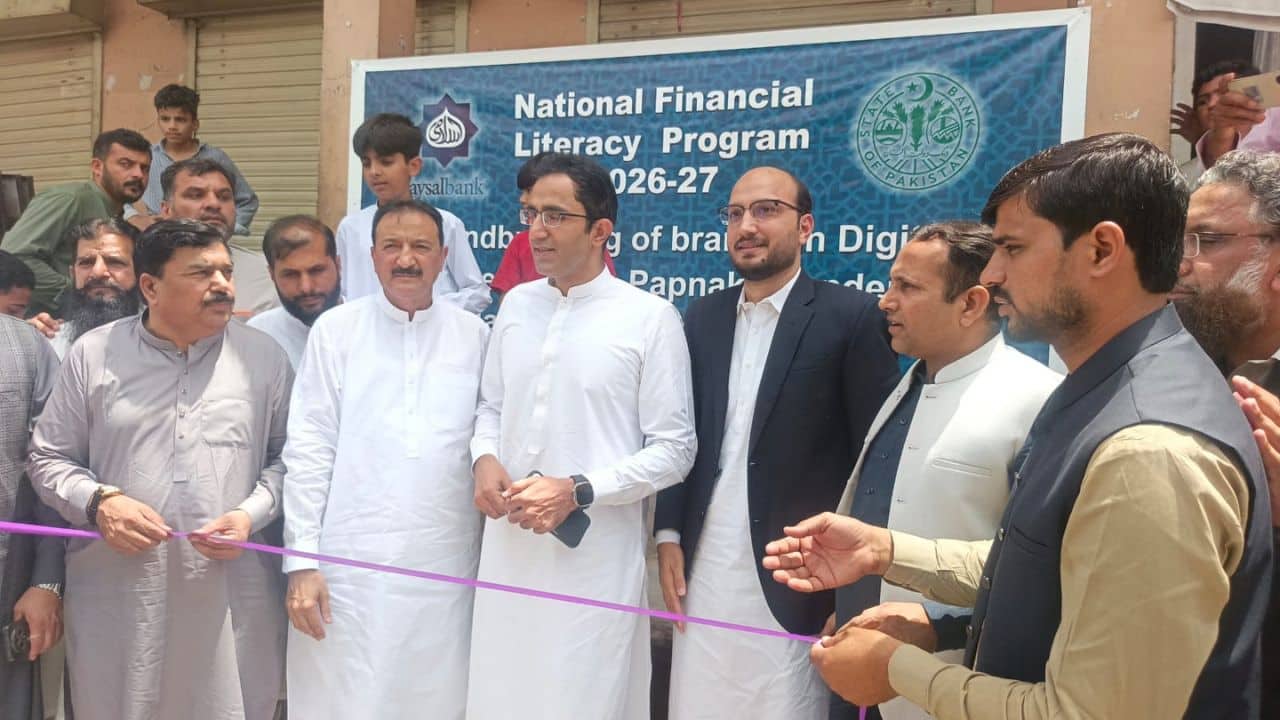
Precision-engineered financial systems serve as the primary catalyst for Pakistan’s economic evolution. Faysal Bank (FBL) has strategically calibrated its outreach by initiating a rural financial inclusion drive in Papnakha Village, Gujranwala. This move aligns directly with the State Bank of Pakistan’s National Financial Inclusion Strategy 2024-28. By breaking ground on a dedicated branch, FBL establishes a structural baseline for digital banking in previously underserved regions.
The Translation: Calibrating Digital Banking Systems
Financial jargon often obscures the practical reality of system efficiency. In Papnakha, Faysal Bank is not merely opening a physical location; it is installing a digital gateway. This initiative converts a traditional, cash-heavy village into a “digitally enabled” ecosystem. Consequently, residents can now bypass informal, high-risk cash cycles in favor of secure, formal banking protocols. This strategic pivot ensures that every transaction is documented and integrated into the national economy.

The Socio-Economic Impact: Impact on the Pakistani Citizen
How does this structural shift affect the average citizen? The implementation of rural financial inclusion provides several precision-targeted benefits:
- Empowerment through Literacy: Community sessions educate residents on digital tools, ensuring the transition is sustainable and secure.
- System Efficiency: Direct access to account opening reduces the time and cost overhead associated with traveling to distant urban centers.
- Economic Security: Transitioning to a cashless model protects household savings from the volatility of informal lending networks.
For the student in Papnakha or the small-scale professional, this branch acts as a catalyst for local entrepreneurship and systemic connectivity. Furthermore, it bridges the gap between rural production and urban financial markets.
The Forward Path: A Momentum Shift for Pakistan
This development represents a significant Momentum Shift in our national financial architecture. While many institutions focus on urban saturation, targeting rural nodes like Papnakha demonstrates a commitment to structural progress. This is not a mere stabilization move; it is an aggressive expansion of the digital frontier. If the industry replicates this model across other rural districts, it will fundamentally redefine Pakistan’s economic baseline and accelerate our journey toward a fully digitized economy.