
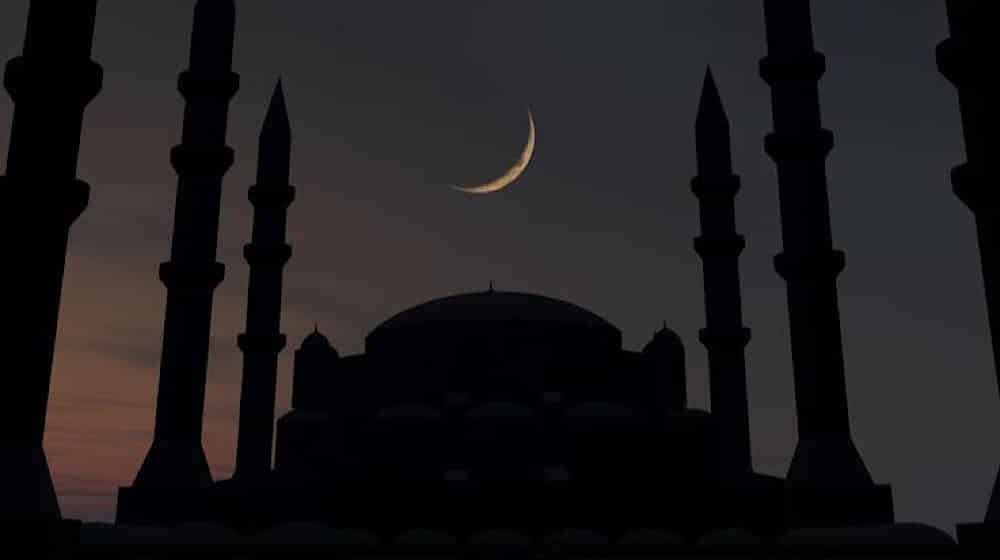
Precision-driven lunar observation serves as a baseline for national synchronization. SUPARCO data indicates the Zil Hajj 1447 crescent will likely appear on May 17, 2026. Consequently, this calibrated forecast allows for strategic planning across Pakistan’s logistical and economic sectors.
The Translation: Deciphering the Zil Hajj 1447 Forecast
The birth of the new moon occurs at 01:01 PST on May 17, 2026. By sunset, the moon’s age reaches approximately 18.5 hours. Furthermore, a 60-minute visibility window exists along the coastal belt. These metrics suggest a high probability of a visible crescent near the horizon. Ultimately, the Central Ruet-e-Hilal Committee will verify these observations through credible testimonies to officially commence the month.
The Socio-Economic Impact: Planning for Eid ul Azha 2026
Eid ul Azha fuels the agricultural and logistical sectors of Pakistan. Precise timing allows farmers to optimize livestock transport to urban centers. Additionally, this reduces wastage and stabilizes market prices for the general public. Predictable scheduling empowers households to manage seasonal inflation effectively and ensures transportation networks operate at peak efficiency.
The Forward Path: A Momentum Shift in National Calibration
This development represents a structural Momentum Shift. Specifically, utilizing scientific data for religious observance creates a reliable framework for national governance. This synergy between tradition and technology strengthens Pakistan’s path forward, ensuring our systems remain as precise as the orbits they track.








