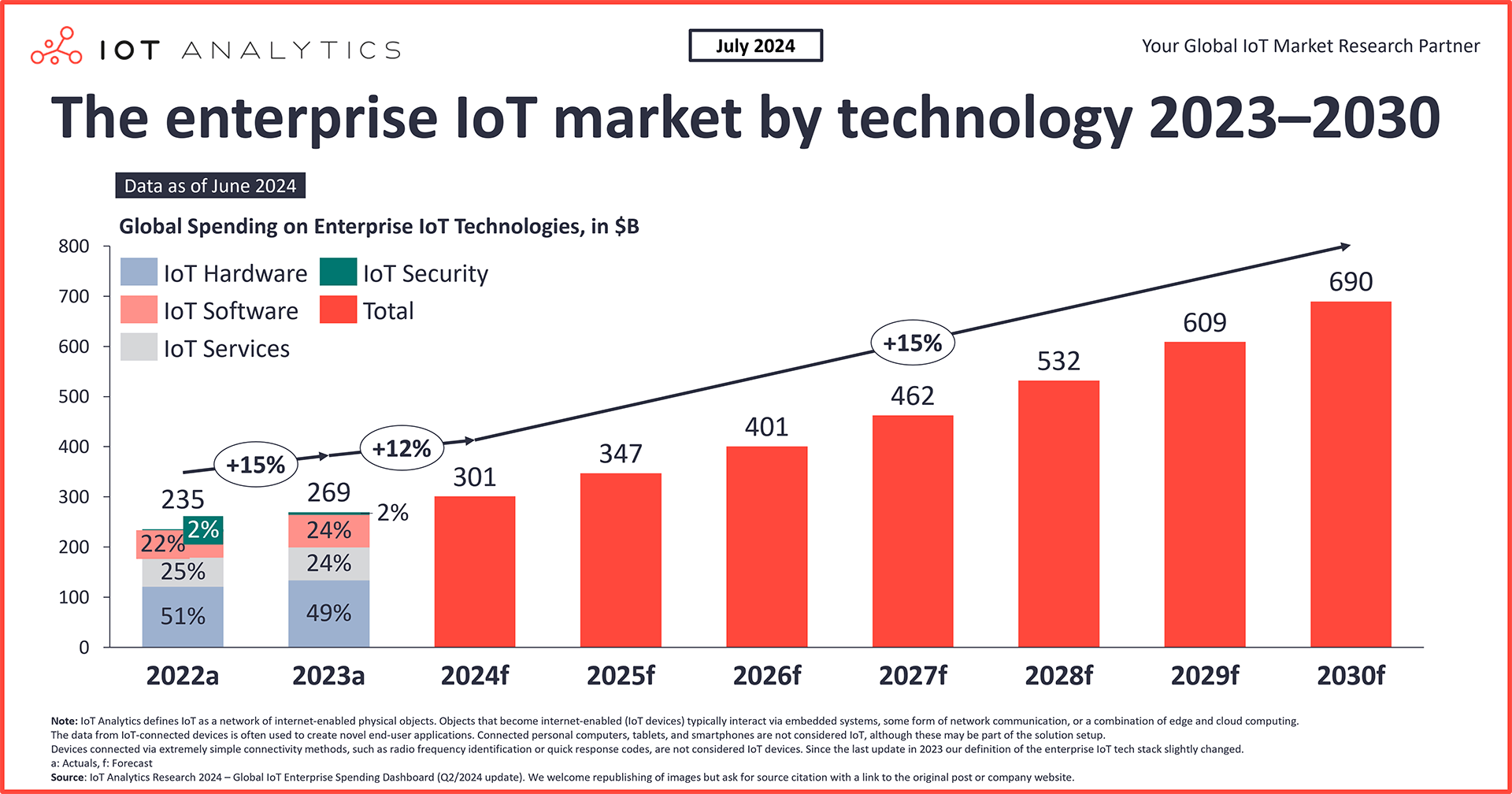
By 2026, cloud adoption Pakistan has transitioned from a technical experiment to a vital strategic asset for national progress. Enterprises across every major sector now calibrate their operations using cloud platforms to solve scalability and resilience issues. This structural shift represents a move toward high-efficiency digital transformation. Consequently, the public cloud market in Pakistan expects to surpass several hundred million dollars by the mid-2020s, maintaining a growth rate above 17 percent.
Market Trajectories and Enterprise Cloud Strategies
The rapid expansion of cloud usage aligns closely with broader national digitalization patterns. While mobile penetration has increased, only a minority of firms currently operate as fully digital entities. This gap provides a catalyst for cloud technologies to serve as a modernization shortcut. For instance, financial institutions now utilize cloud platforms to upgrade customer applications and improve disaster recovery. These early adopters prioritize regulatory compliance through precisely engineered hybrid deployments.

Architecting the Hybrid and Multi-Cloud Ecosystem
A defining feature of the current landscape is the calculated preference for hybrid and multi-cloud models. Rather than relying on a single provider, Pakistani firms distribute workloads across diverse environments. Sensitive data remains on private infrastructure for maximum security, while analytics workloads run on global public clouds. This strategy mitigates risks associated with data sovereignty and service continuity in regulated sectors like banking and insurance.
Government Catalysts and Infrastructure Upgrades
Public sector initiatives under the Digital Pakistan vision have established the necessary baseline for this growth. Clearer regulations around data protection have increased enterprise confidence significantly. Furthermore, improvements in fiber connectivity allow cloud systems to function effectively beyond urban hubs. These structural upgrades ensure that the benefits of cloud adoption Pakistan reach a wider geographic footprint.

Operational Efficiency and the Integrator Advantage
Data from logistics and telecom case studies confirms that cloud strategies yield tangible economic gains. Organizations report lower infrastructure costs and faster deployment cycles for digital services. Technology integrators like Beyond Technology provide the precision engineering required to manage these complex architectures. These specialists allow mid-sized firms to modernize their IT foundations without maintaining massive in-house engineering teams.
The Situation Room Analysis
The Translation (Clear Context)
In simple terms, cloud adoption in Pakistan is moving toward a “Split-System” logic. Instead of putting all digital “eggs” in one basket, companies use a Hybrid approach. They keep sensitive customer records locked in local servers while using global platforms for high-speed apps. This creates a balance between data safety and modern speed.
The Socio-Economic Impact
This shift directly impacts the average Pakistani citizen by lowering the cost of digital services. As businesses spend less on physical hardware, they can offer cheaper and faster apps for banking, shopping, and education. For the youth, this surge creates a high-demand market for cloud engineers and data architects, providing premium career paths within the country.
The Forward Path (Opinion)
This development represents a Momentum Shift. Pakistan is finally moving past the “basic connectivity” phase and entering the “structural efficiency” phase. To sustain this progress, we must continue to refine data sovereignty laws to ensure that global tech giants and local enterprises can co-exist in a stable, predictable regulatory environment.