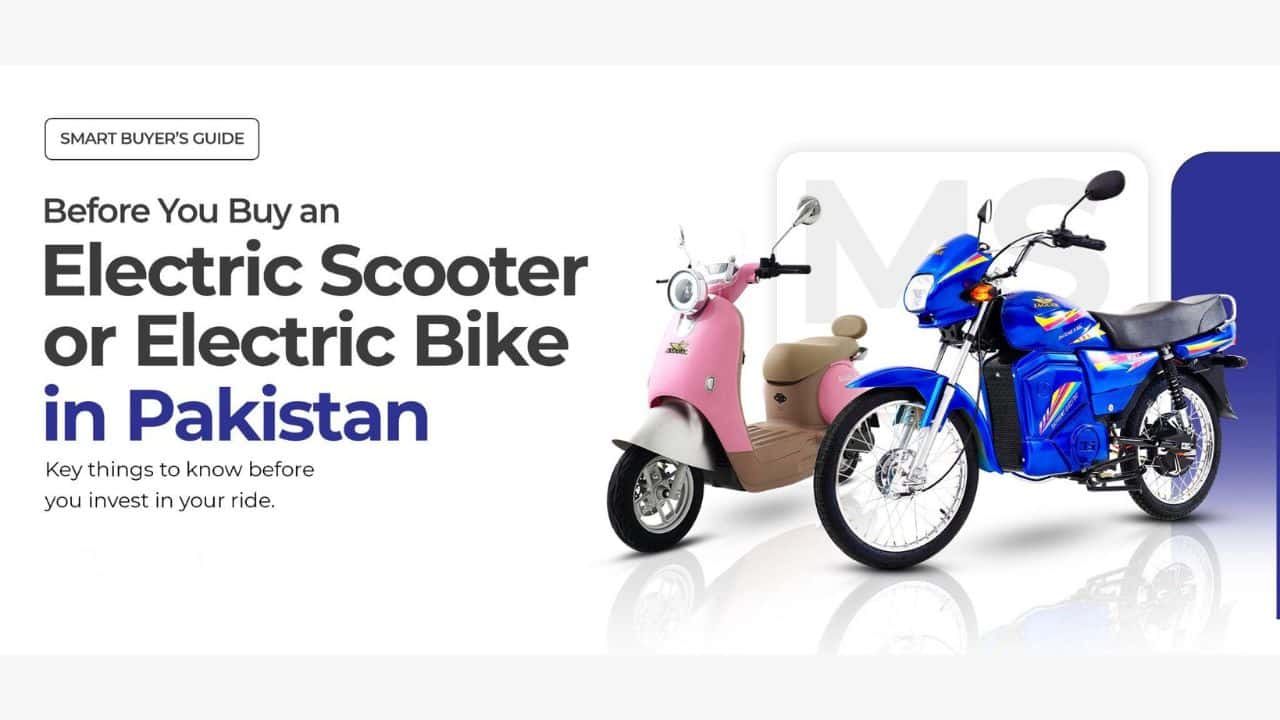
The energy landscape is undergoing a structural transformation as the Electric Bike Pakistan sector reaches a critical tipping point. Rising petrol volatility has acted as a catalyst, forcing commuters to seek precision-engineered alternatives to traditional internal combustion engines. Consequently, understanding the technical and financial baseline of electric vehicles (EVs) is now essential for every forward-thinking Pakistani citizen.
Structural Financial Catalysts: Government Subsidy Schemes
The high upfront cost of EVs previously served as a barrier to entry. However, the federal PAVE program has calibrated a strategic response by allocating Rs 100 billion to subsidize 116,000 units. Furthermore, the CM Punjab Electric Bike Scheme offers interest-free financing, reducing monthly installments to approximately Rs 3,600. These initiatives bridge the price gap, making sustainable mobility accessible to students and professionals alike.
Calibrating Performance: The Battery Technology Equation
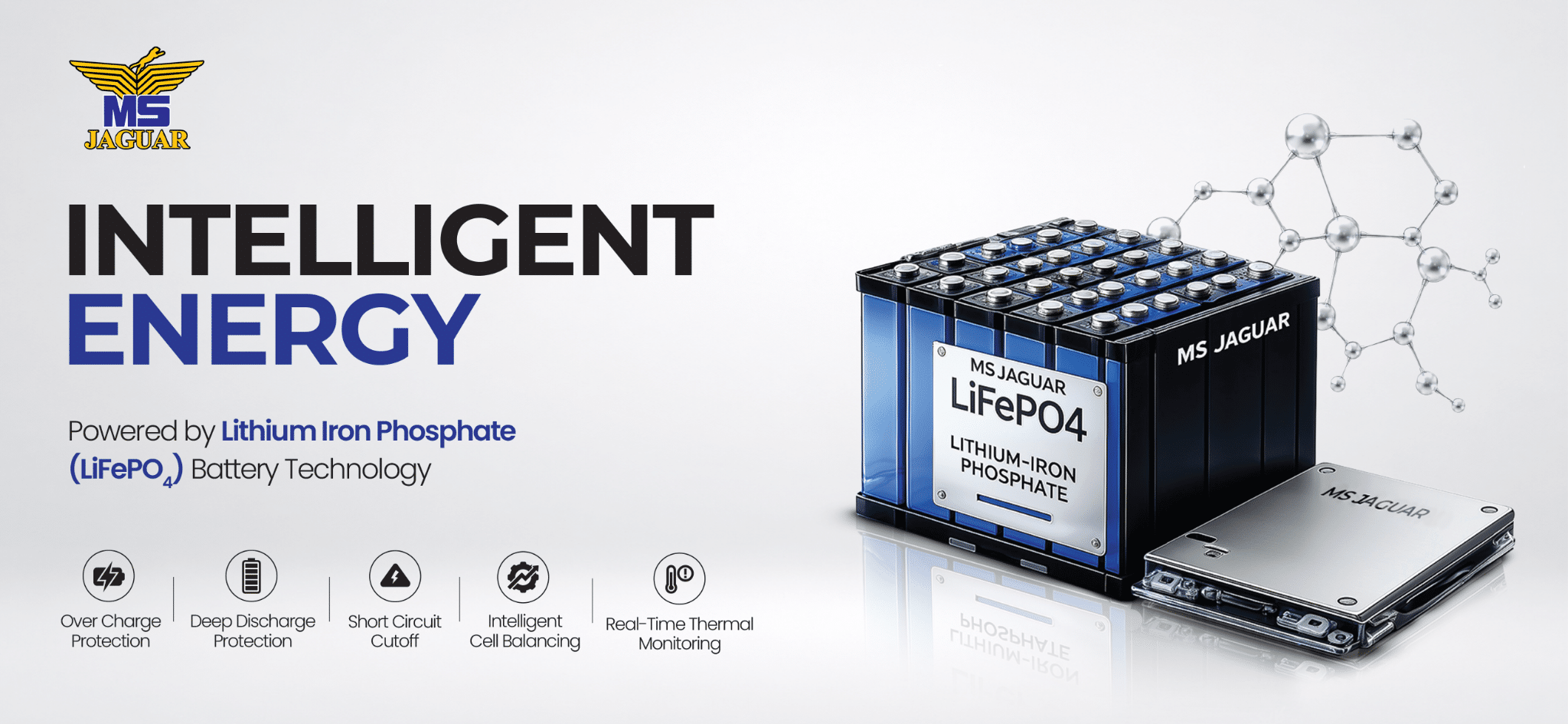
Battery chemistry dictates the long-term utility of any Electric Bike Pakistan. While Graphene batteries offer a cost-effective baseline for short commutes, Lithium Iron Phosphate (LFP) technology represents the gold standard for durability. Specifically, LFP cells—pioneered locally by MS Jaguar—provide up to 3,500 charge cycles. This technical precision ensures a lifespan of nearly a decade, even under the thermal stress of the Pakistani climate.

Analyzing the ROI of Electric Commuting
- The Corporate Professional: A daily 30km commute costs roughly Rs 1,000 per month in electricity.
- The Academic Student: Fixed charging costs eliminate the unpredictability of petrol price hikes.
- The Logistics Provider: High-mileage users experience a rapid momentum shift in profitability as fuel costs vanish.
Operational Resilience: Range and Support Infrastructure
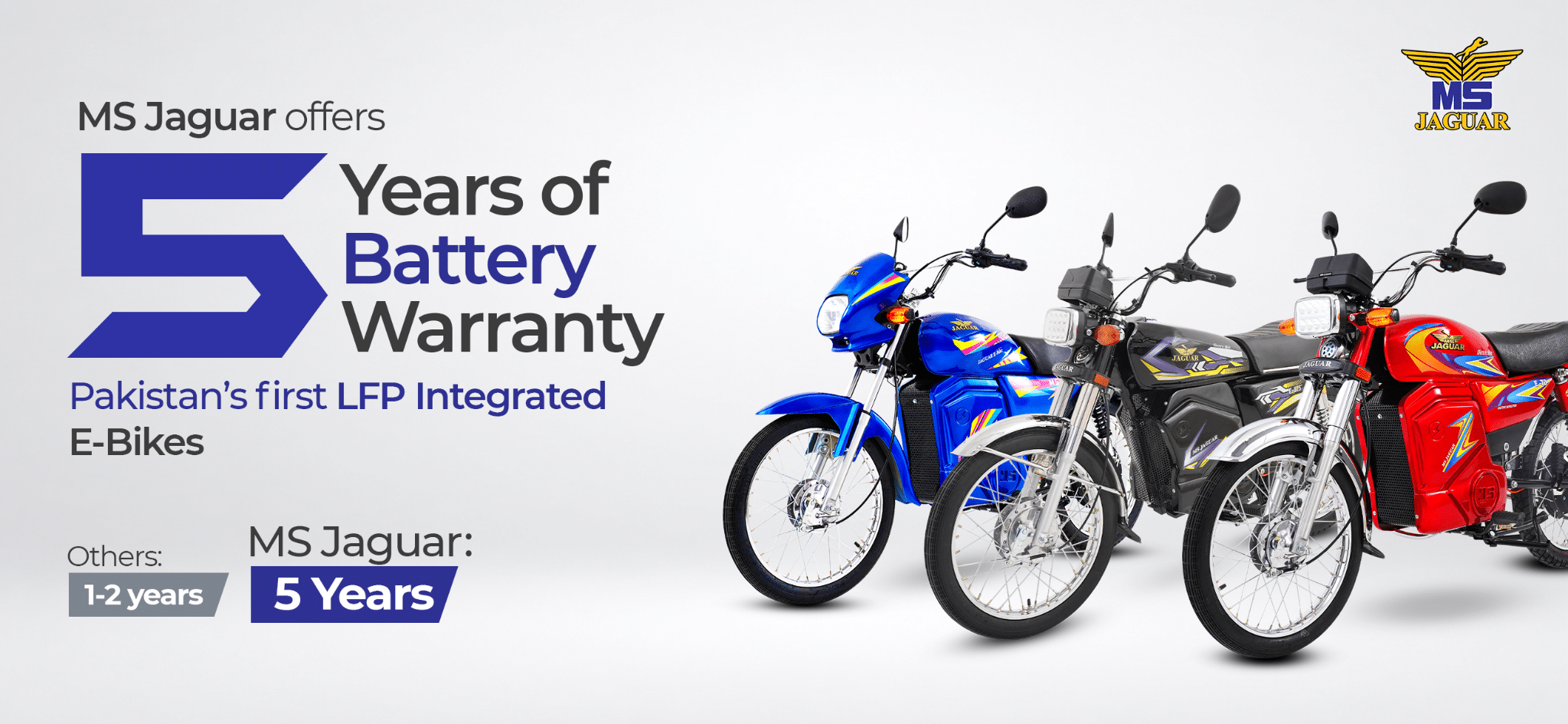
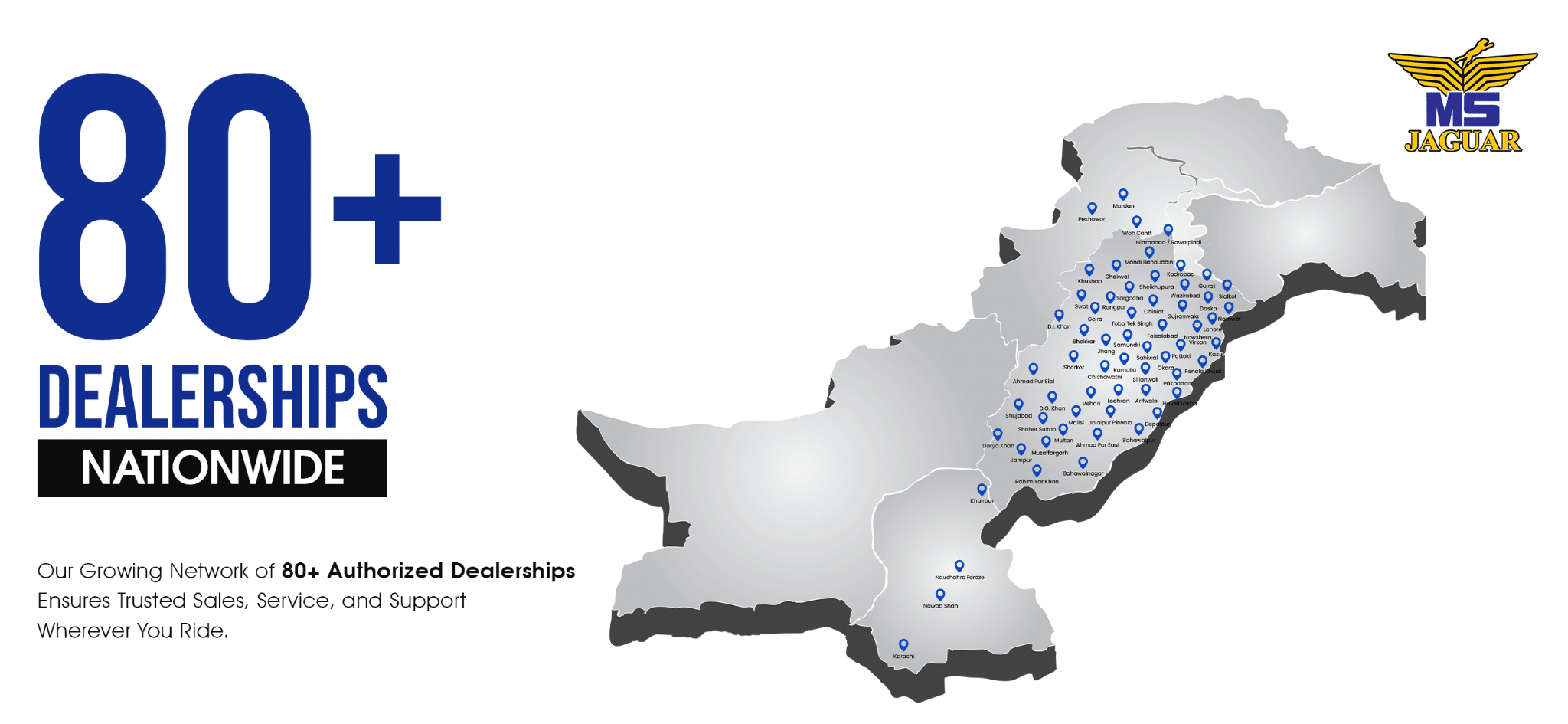
Modern e-bikes now offer a range calibrated for urban environments, typically spanning 90km to 170km per charge. Reliability depends heavily on the manufacturer’s local footprint. For instance, MS Jaguar maintains over 80 authorized dealerships nationwide. This structural presence ensures that genuine parts and specialized service are consistently available, protecting your long-term investment.
The Situation Room Analysis
The Translation (Clear Context)
The transition from 70cc petrol bikes to Electric Bike Pakistan options isn’t just about swapping fuel; it is about shifting from a mechanical system to a digital powertrain. “Charge cycles” are the new “engine mileage,” and “Battery Management Systems (BMS)” are the new “carburetors.” Understanding these metrics allows a buyer to look past marketing and judge a vehicle by its structural efficiency.
The Socio-Economic Impact
For the average Pakistani household, fuel currently consumes a disproportionate share of disposable income. By stabilizing transport costs through electrification, families can reallocate funds toward education and healthcare. Moreover, the localized production of components like LFP batteries strengthens Pakistan’s industrial baseline and reduces our reliance on imported fuel.
The “Forward Path” (Opinion)
This development represents a significant Momentum Shift. The convergence of government financing, localized LFP manufacturing, and rising fuel costs has created an irreversible trend. While charging infrastructure must continue to expand, the current e-bike technology is already mature enough to replace the petrol-standard for 80% of urban commuters.