
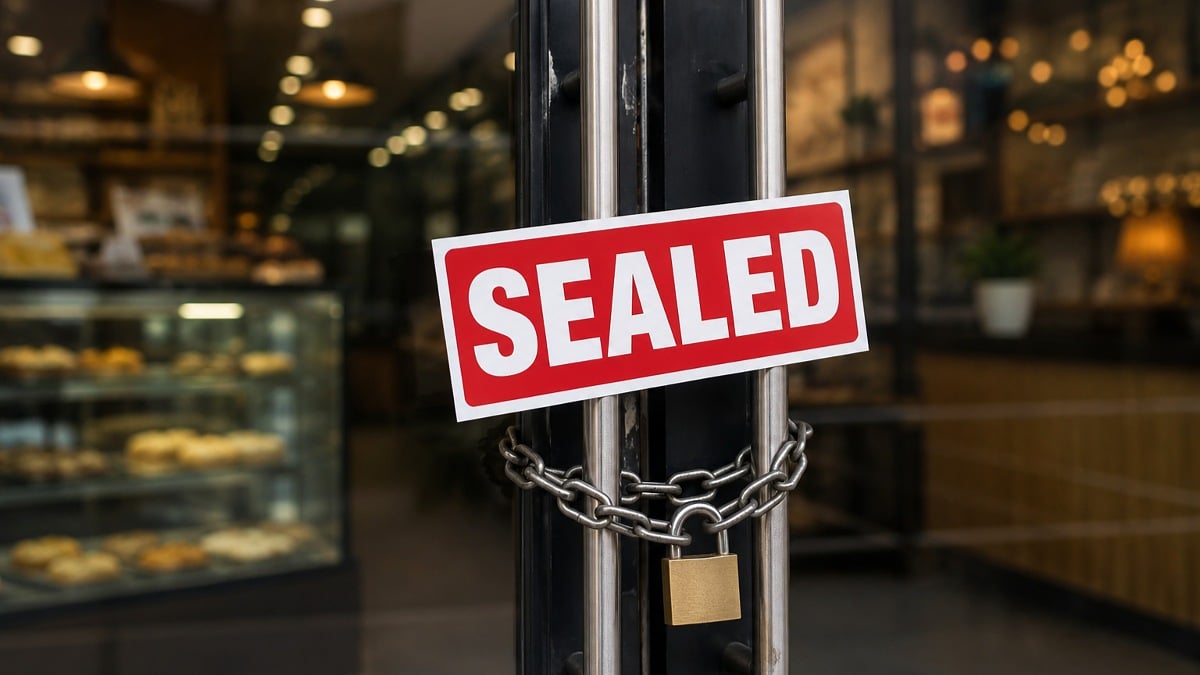
Environmental discipline acts as a primary catalyst for systemic urban health. The Environmental Protection Agency (EPA) Punjab recently executed a calibrated enforcement action against a branch of the Karachi Naseeb Biryani restaurant for violating the Punjab plastic ban. Consequently, this intervention underscores the provincial government’s rigid commitment to the “Plastic-Free Punjab” framework.
The Enforcement of the Punjab Plastic Ban
The EPA Punjab officially announced the sealing via its strategic social media channels. The department issued a public mandate stating, “Say goodbye to single-use plastic.” This action specifically targets the elimination of polythene bags thinner than 75 microns. Furthermore, the EPA continues to conduct regular market raids and precision inspections to ensure structural compliance across the province.

Alongside enforcement, the Environment Protection Department introduced a digital registration system for plastic producers and recyclers. This online portal serves as a structural baseline for improving waste management efficiency. The Punjab plastic ban aims to mitigate soil contamination and prevent the clogging of critical drainage channels. Businesses must now transition to eco-friendly alternatives or face severe administrative penalties.
The Translation: Breaking Down the Regulation
While “75 microns” sounds like technical jargon, it represents a precision metric for durability. Thinner plastics are virtually impossible to recycle and often end up as permanent pollutants. By enforcing this specific baseline, the EPA is forced to transition the market toward reusable or biodegradable materials. This is not merely a ban; it is a structural recalibration of the provincial supply chain.
The Socio-Economic Impact
This development directly affects the daily lives of Pakistani citizens in three distinct ways:
- Public Health: Reduced plastic waste decreases the prevalence of microplastics in the local food chain and soil.
- Infrastructure Efficiency: Eliminating thin bags prevents urban flooding caused by choked drainage systems during monsoon seasons.
- Economic Shift: Small and medium enterprises (SMEs) producing eco-friendly packaging will see a surge in demand, creating a new niche in the green economy.
The Forward Path: Next Gen Perspective
This crackdown represents a Momentum Shift. For years, environmental laws in Pakistan remained decorative. By targeting high-profile commercial entities like Karachi Naseeb Biryani, the EPA Punjab is signaling that the era of “compliance optionality” has ended. For the system to achieve long-term stabilization, the government must now subsidize the production of eco-friendly alternatives to ensure the Punjab plastic ban does not disproportionately burden small-scale vendors.








