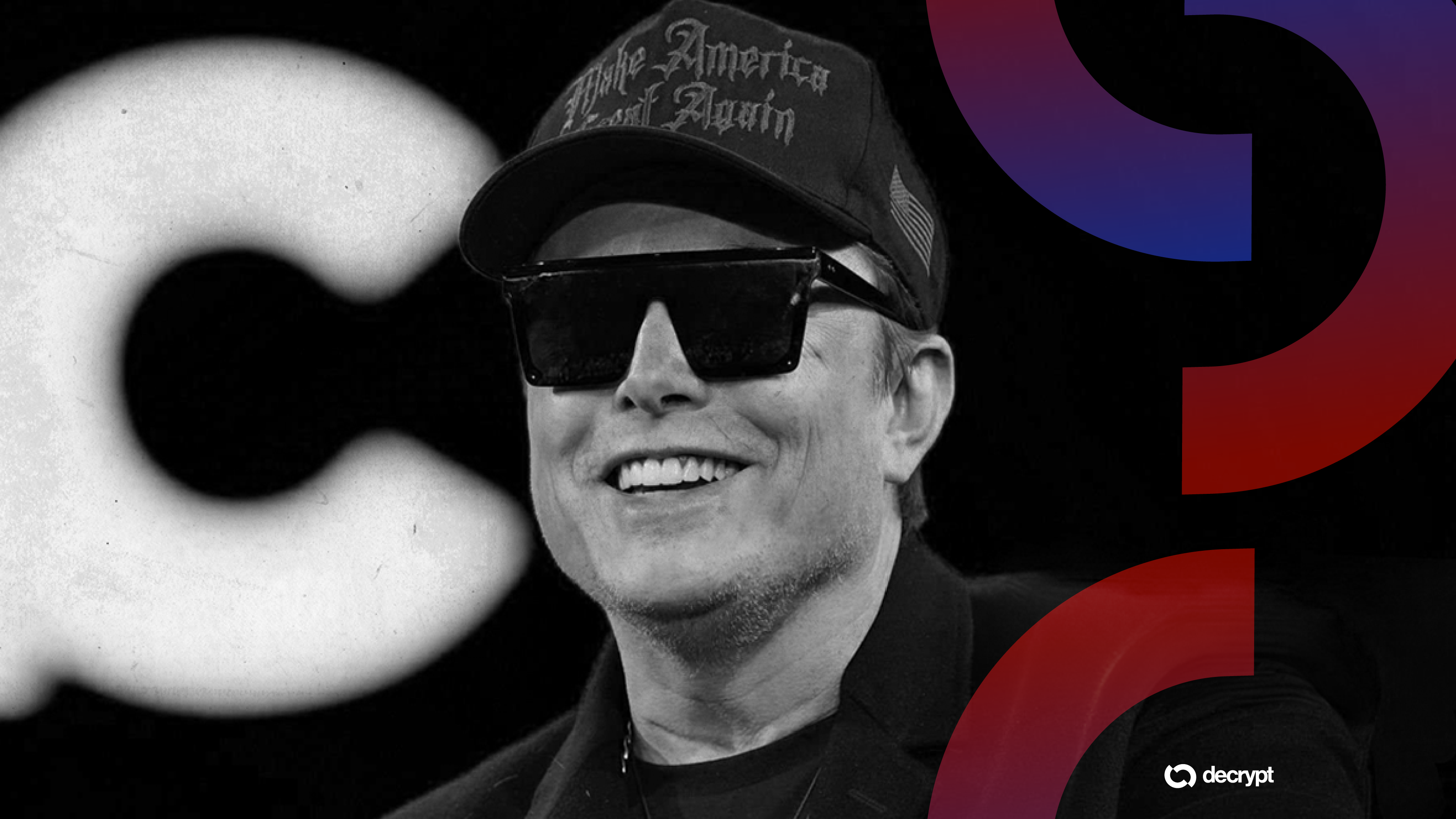
The legal framework surrounding the OpenAI lawsuit serves as a calibrated baseline for the future of artificial intelligence governance. Recently, a California jury dismissed Elon Musk’s $150 billion claim against Sam Altman and Greg Brockman, citing procedural failures rather than the core arguments. This decision emphasizes structural adherence to legal timelines over the raw substance of high-stakes corporate disputes. Consequently, OpenAI secures a significant legal victory as competition in the generative AI sector reaches a critical boiling point.
The Legal Architecture of the OpenAI Lawsuit
The panel of jurors concluded that Musk initiated the legal action far too late, rendering his claims invalid under the statute of limitations. Historically, the lawsuit accused the leadership team of improperly profiting from the organization’s transition into a for-profit entity. However, the court’s decision effectively shields the ChatGPT creator from one of its most daunting financial threats. Moreover, this ruling allows the firm to focus on innovation rather than protracted courtroom battles.

Strategic competition continues to intensify as Musk develops his own AI alternative, xAI. Nevertheless, this courtroom outcome provides OpenAI with the necessary legal stability to finalize major investment rounds and architectural upgrades. The jury’s focus on the timeline suggests that even the most high-profile visionaries must operate within the rigid constraints of procedural law.

The Translation: Decoding the Verdict
In “Next Gen” terms, this case was lost on a technicality called a “statute of limitations.” This means that regardless of whether Musk’s claims about profit-sharing were true, he waited too long to file them. OpenAI successfully argued that the window for legal challenge had closed. Therefore, the court did not even need to debate the ethics of the for-profit shift; the clock simply ran out on the plaintiff’s ability to sue.

Socio-Economic Impact on Pakistan’s Digital Frontier
For the Pakistani citizen, this legal stability in the global AI ecosystem is a catalyst for local growth. Many Pakistani startups and developers rely heavily on OpenAI’s API to build localized solutions for agriculture, education, and healthcare. If the OpenAI lawsuit had resulted in a massive financial drain or structural breakup, the resulting instability could have disrupted these essential services. Consequently, this verdict ensures that the tools Pakistani professionals use daily remain accessible and strategically focused on progress.

The Forward Path: Momentum Shift or Stabilization?
We categorize this development as a Stabilization Move. While it does not introduce new technology, it removes a massive roadblock that threatened the industry’s baseline. OpenAI can now proceed with its architectural roadmap without the shadow of a $150 billion liability. For Pakistan’s tech sector, this means a predictable environment for long-term strategic planning. As the AI landscape matures, precision in legal timing will become just as critical as precision in code.