
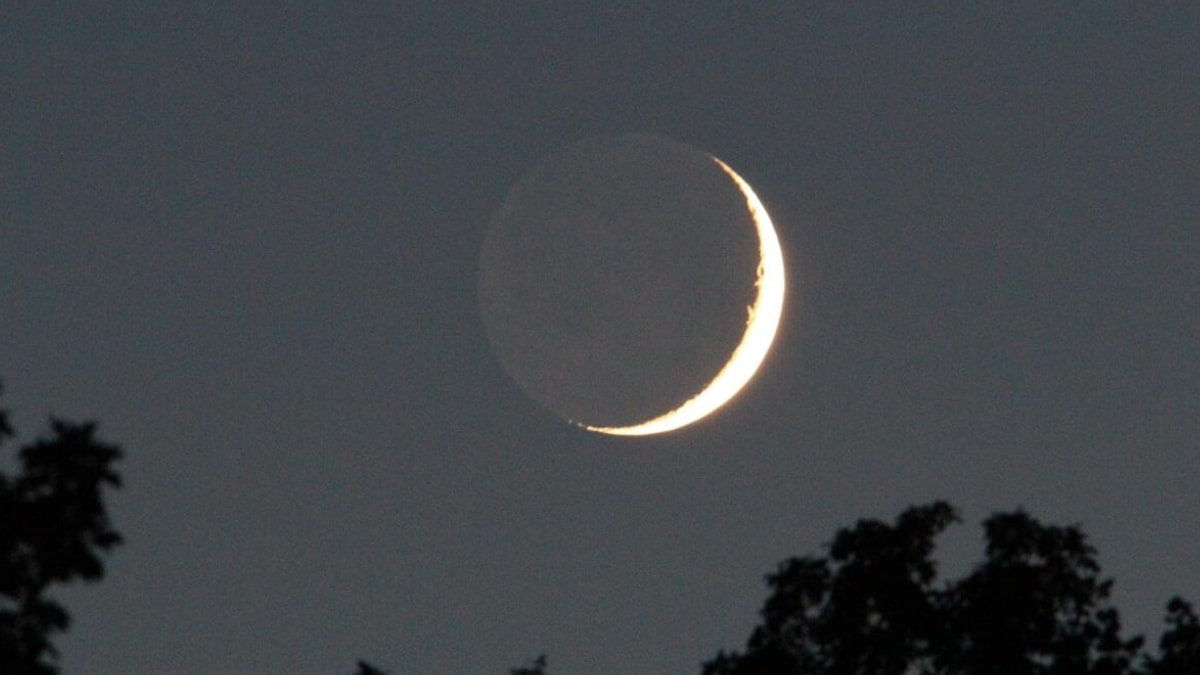
Structural precision in our national calendar relies heavily on astronomical accuracy. The Pakistan Meteorological Department (PMD) recently calibrated its lunar data to project the expected date for Eid Milad-un-Nabi 2026. According to current meteorological metrics, Pakistan will likely observe the event on Wednesday, August 26, 2026. This forecast serves as a critical baseline for institutional planning and public coordination across the country.
Analyzing the Eid Milad-un-Nabi 2026 Timeline
The PMD analysis indicates that the Rabi al-Awwal moon will remain invisible on the evening of August 13. This result stems from specific astronomical factors, including the moon’s age and atmospheric conditions. Consequently, the first day of Rabi al-Awwal 1448 Hijri will likely occur on Saturday, August 15. This alignment positions the 12th of Rabi al-Awwal specifically on August 26.
Furthermore, weather patterns suggest partly cloudy skies across most regions on the observation date. In Karachi, data points show the moon setting at 7:40 p.m. While these projections offer a high degree of precision, the Central Ruet-e-Hilal Committee maintains the authority for the final systemic confirmation.
The Translation: Decoding Lunar Metrics
The forecast for Eid Milad-un-Nabi 2026 is not merely a weather update but a data-driven projection of the Islamic lunar cycle. By calculating the “birth” of the new moon and its visibility threshold, the PMD provides a framework for civil predictability. This removes the friction of uncertainty for government bodies and private sectors alike, allowing for a calibrated transition into the holy month of Rabi al-Awwal.
Socio-Economic Impact: National Life Calibration
The announcement of Eid Milad-un-Nabi 2026 has a direct ripple effect on Pakistan’s socio-economic landscape:
- System Efficiency: Corporate and public sectors can pre-align their quarterly targets around the mid-week public holiday.
- Logistics: Families in urban centers like Lahore and Islamabad can synchronize travel plans, optimizing transit networks.
- Consumer Behavior: Local markets can anticipate a surge in demand for supplies and commemorative materials, stabilizing supply chains early.
The Forward Path: Strategic Momentum
This development represents a Stabilization Move. While the dates are expected, the early release of astronomical data acts as a catalyst for national efficiency. In an era of STEM-driven governance, utilizing the PMD’s precision data to plan religious and national milestones ensures that the pulse of the country remains synchronized. We advocate for continued reliance on these scientific baselines to enhance our systemic foresight.








