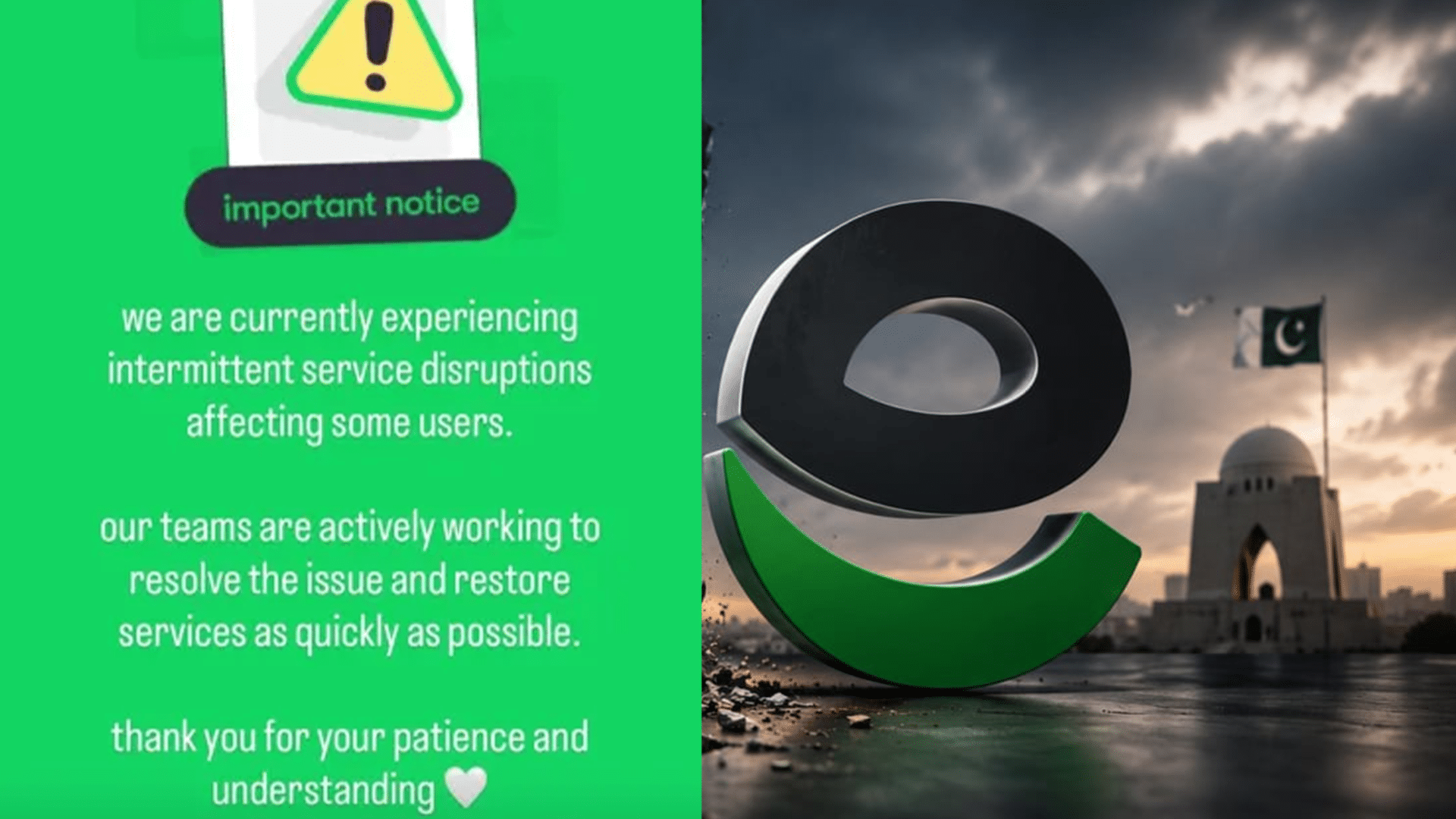
Digital Liquidity Friction: Easypaisa Services Unavailable Across Pakistan
The digital financial landscape encountered a significant catalyst for concern as Easypaisa services unavailable reports emerged from across Pakistan today. This disruption prevented thousands of citizens from accessing their capital, revealing critical vulnerabilities in our national fintech architecture. While retailer accounts remained operational, standard consumer portals suffered from persistent authentication failures and biometric calibration errors.
Users nationwide reported an inability to access their accounts despite entering correct PIN codes. Consequently, the flow of digital transactions slowed, affecting both peer-to-peer transfers and retail payments. Easypaisa acknowledged the intermittent service disruptions, stating that technical teams are actively working to restore the system’s baseline functionality.
The Translation: Technical Synchronization Failures
In technical terms, this disruption represents a “synchronization lag” between the user-end application and the core banking database. When the Easypaisa services unavailable status persists, it suggests a bottleneck in the authentication server. This prevents the system from verifying security credentials, effectively locking the digital vault for millions. In contrast to a total system blackout, the survival of vendor accounts indicates a segmented failure in the customer-facing API layer.

The Socio-Economic Impact: Daily Velocity Interrupted
This outage directly impacts the daily economic velocity of Pakistani households. Many citizens rely on mobile wallets for time-sensitive tasks:
- Utility Payments: Failure to settle bills can lead to immediate service disconnections.
- Education Fees: Students face delays in tuition processing during critical enrollment windows.
- Unbanked Fragility: For those without traditional bank accounts, these disruptions halt their entire financial existence.
Furthermore, the psychological impact on digital adoption is profound. Repeated disruptions erode public trust in cashless systems, potentially driving users back to physical currency. Such a shift slows the strategic transition toward a documented, efficient economy.

The Forward Path: A Stabilization Move
We categorize this event as a critical Stabilization Move necessity. While Pakistan’s fintech sector has shown rapid expansion, the underlying infrastructure requires more robust redundancy protocols to prevent such widespread friction. As Norway’s Telenor ASA considers selling its controlling stake, the platform must prioritize structural integrity to maintain market confidence.

Moving forward, the industry must calibrate its systems to handle higher concurrency levels. Precision in technical maintenance is no longer optional; it is the baseline requirement for a digital nation.