

Precision in nutrition is critical for maintaining national health stability. As Punjab approaches the festive season, medical experts have identified significant meat consumption risks that could threaten the structural integrity of our healthcare system. Consequently, hospitals across the province are calibrating their emergency protocols to handle an expected surge in gastric and cardiac complications arising from dietary overindulgence.
Addressing Meat Consumption Risks This Eid
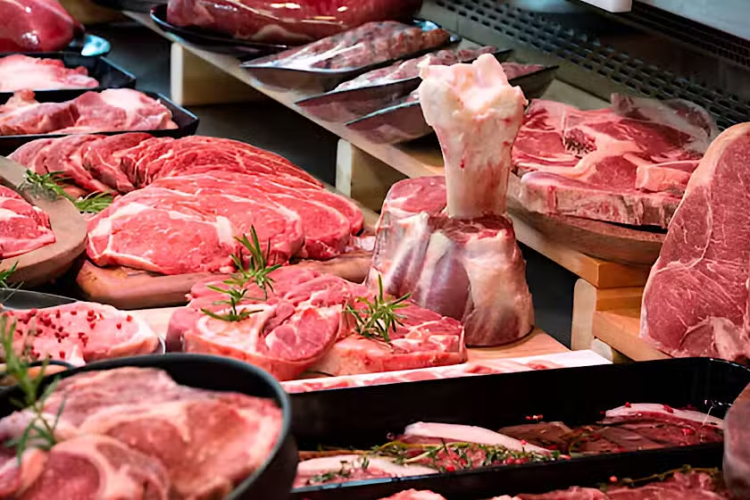
Hospitals in Lahore and throughout Punjab report a predictable rise in gastric and cardiac emergencies following Eid prayers. Specifically, the high-volume consumption of beef and mutton creates a severe metabolic load. Medical specialists warn that oily barbecues, fried liver, and spicy traditional dishes place extreme pressure on the digestive tract. This risk is particularly acute for elderly citizens and those managing chronic conditions like diabetes or hypertension.

The Translation: Understanding the Metabolic Surge
The “Next Gen” logic behind these medical warnings is simple: festive traditions often bypass biological limits. When we consume meat-heavy diets paired with sugary soft drinks, we initiate a baseline shift in our internal chemistry. Consequently, this triggers acidity, dehydration, and kidney stress. Dr. Amjad Mahmood notes that late-night gatherings further exacerbate these issues, as the body lacks the movement necessary to metabolize heavy fats efficiently.
The Socio-Economic Impact: Health as a National Asset
The meat consumption risks extend beyond the individual; they impact the collective socio-economic stability of Pakistani households. Every preventable hospital visit during Eid drains family savings and exhausts public medical resources. Furthermore, the subsequent productivity dip in the workforce after the holidays creates a ripple effect in our local economy. Prioritizing dietary discipline ensures that families can celebrate without the looming threat of financial or physical distress.
The Forward Path: A Stabilization Move for Public Health
This development represents a critical Stabilization Move for our public health sector. While hospitals have finalized emergency arrangements, the long-term solution requires a cultural shift toward moderation. Transitioning to a balanced approach—incorporating hydration and fiber—serves as a catalyst for a more resilient society. We must move from reactive medical treatment to a proactive baseline of health consciousness.
- Hydration: Drink at least 8-10 glasses of water to support kidney function.
- Portion Control: Limit meat intake to manageable servings throughout the day.
- Vegetable Balance: Pair meat dishes with fresh salads to aid digestion.
- Active Movement: Avoid sleeping immediately after heavy meals.








