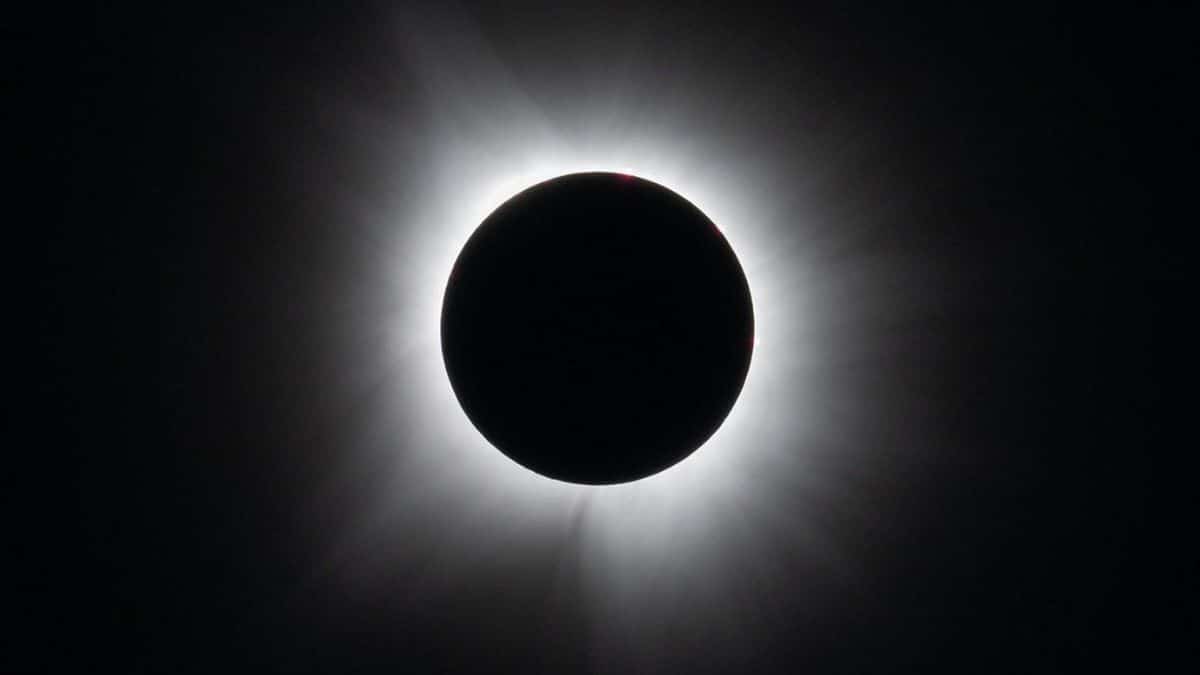
Global astronomical events serve as a critical calibration for our understanding of celestial mechanics. On August 12, the first 2026 Solar Eclipse will occur, offering a precision-aligned demonstration of orbital dynamics. Although the path of totality spans the North Atlantic and Europe, modern digital infrastructure ensures that every citizen can observe this catalyst for scientific curiosity. This rare event requires strategic preparation for those within the shadow’s reach to ensure safe and effective observation.
Precision Mapping the 2026 Solar Eclipse Path
The Moon will traverse directly between the Earth and the Sun, creating a structural alignment that temporarily blocks the solar face. Consequently, observers located in Greenland, Iceland, northern Russia, Spain, and a small portion of Portugal will experience total darkness. Furthermore, a significant portion of the Northern Hemisphere, including Canada and the northern United States, will witness a partial phase. This event establishes a baseline for modern solar research and atmospheric studies.
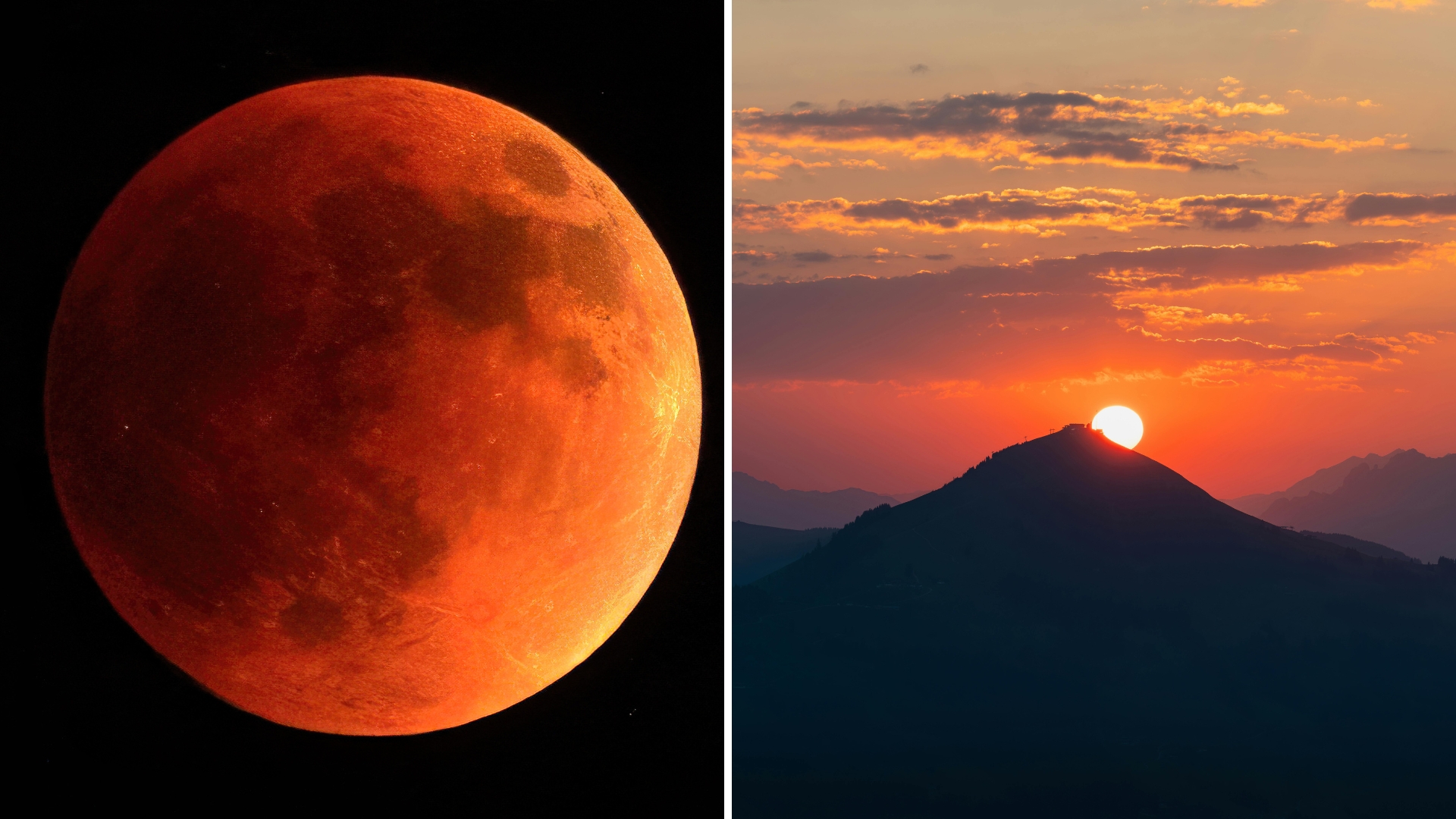
For viewers in mainland Europe and Africa, the eclipse will coincide with the sunset sequence. This timing creates a rare visual phenomenon where the Sun sets while still partially obscured by the lunar disk. To observe this safely, individuals must utilize certified solar eclipse glasses. Looking directly at the Sun without calibrated protection can cause permanent optical damage.
The Translation (Clear Context)
We define a total solar eclipse as the exact moment the lunar disk perfectly obscures the solar photosphere. For the 2026 Solar Eclipse, the Moon’s shadow moves at hyper-sonic speeds across the Atlantic Ocean. This is not merely a shadow; it is a structural interplay of gravity and light. While the physical shadow bypasses Pakistan, the event remains a global benchmark for orbital prediction and synchronization.
The Socio-Economic Impact
How does a distant eclipse impact the daily life of a Pakistani citizen? It highlights our “Digital Connectivity Baseline.” The event catalyzes a surge in demand for high-speed internet as students and professionals access real-time global live streams. Furthermore, it serves as a powerful educational tool, inspiring the next generation of STEM leaders to explore aerospace engineering and physics. Scientific literacy is a primary driver for national advancement in an increasingly technical world.
The Forward Path (Opinion)
We categorize the 2026 Solar Eclipse as a Momentum Shift. It represents a significant opportunity to upgrade our national focus on observation sciences. Although Pakistan remains a digital spectator for this specific event, our strategic goal must involve contributing to the global network of astronomical data collection. By prioritizing STEM education today, we position Pakistan to lead in the space-driven economy of the future.