

Urban mobility requires calibrated logistical precision to sustain economic activity without collapsing infrastructure. City Traffic Police (CTP) Rawalpindi has engineered a comprehensive protocol for Eid Traffic Management to regulate movement across eight strategic cattle markets. Consequently, this initiative ensures that the surge in seasonal commerce does not degrade the baseline quality of urban transport or result in systemic gridlock.
Structural Deployment for Eid Traffic Management
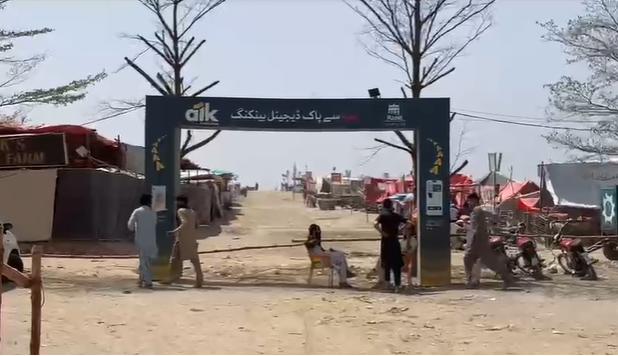
Chief Traffic Officer Farhan Aslam has deployed over 81 specialized personnel to manage the high-density zones surrounding sacrificial animal markets. Furthermore, four heavy lifters operate as mobile recovery units to clear illegal parking on arterial roads. Specifically, the CTP has established the following operational nodes to ensure uninterrupted movement:
- Rawalpindi City: Bhata Chowk and Mouza Raniyal.
- Gujar Khan: Gulyana Road and Rawat Police Station area.
- Taxila: HIT Timber Market and GT Road near Sharif Hospital.
- Kallar Syedan & Kahuta: Bypass Chowk and Sakhi Sabzwari Tangi Road.
The Translation: De-risking Urban Infrastructure
Technically, the “Eid Traffic Management” plan functions as a load-balancing protocol for the city\’s road network. Instead of reactive policing, CTP utilizes “precision deployment,” placing assets at high-friction points like Bhata Chowk before congestion peaks. By utilizing public address systems for real-time awareness, the authority reduces the information gap between drivers and traffic controllers. This proactive approach converts a chaotic seasonal event into a controlled logistics operation.

The Socio-Economic Impact: Protecting Productivity
This plan directly safeguards the time-capital of the Pakistani citizen. For professionals, it means calibrated transit times despite the heavy logistics involved in animal transport. For households, it ensures accessible commerce without the penalty of gridlock. In contrast to previous years, this systemic approach treats traffic as a catalyst for economic vitality rather than a byproduct of it. Consequently, the local economy benefits from smoother transactions and reduced fuel waste.

The Forward Path: A Momentum Shift
From a STEM perspective, this initiative represents a Momentum Shift. Moving from ad-hoc management to a structured, data-informed deployment is a strategic baseline for modern urban management. While the plan focuses on seasonal demand, the structural logic behind it—real-time awareness and strict spatial enforcement—should become the standard for all major public events in Rawalpindi. We view this as a necessary step toward a more synchronized city infrastructure.









