

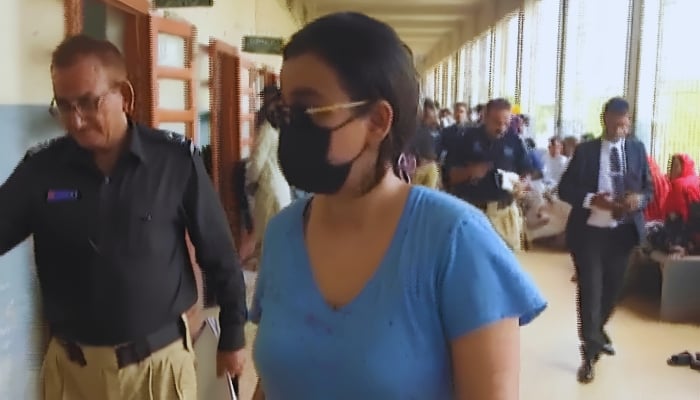
A Karachi judicial magistrate recently approved a three-day physical remand drug dealer Anmol alias Pinky. This calibrated legal move follows an initial rejection of custody, signaling a strategic intensification in the state’s crackdown on high-end narcotics networks. Law enforcement agencies recovered cocaine and other substances worth millions during the initial operation, highlighting the scale of the disrupted system.
The Translation: Decoding Judicial Logic
The court’s decision to grant a physical remand drug dealer status to the suspect indicates a precision-based shift in the investigation. Initially, the court rejected the police request; however, the subsequent approval suggests that authorities have now presented a more structural link between the suspect and the broader narcotics ecosystem. Consequently, the three-day window allows investigators to calibrate their evidence against past criminal records and financial catalysts behind the operation.
Socio-Economic Impact: Protecting the Cognitive Baseline
Narcotics distribution networks represent a significant threat to the socio-economic baseline of Pakistan’s urban centers. These illicit operations target students and young professionals, effectively draining the intellectual capital of the nation. By securing a physical remand drug dealer order for a high-profile actor, the legal system provides a baseline of safety for households. This action prevents the further infiltration of high-potency drugs into the education and labor sectors, ensuring a more resilient future for the youth.

The Forward Path: A Strategic Momentum Shift
Next Generation Pakistan views this development as a Momentum Shift. Moving beyond the arrest of street-level peddlers to target “high-end” suppliers demonstrates a more architectural approach to law enforcement. To maintain this progress, the system must ensure that administrative procedures—such as the use of handcuffs and proper court presentation—are handled with absolute precision to maintain public trust. This case serves as a catalyst for future operations aimed at dismantling the structural roots of the drug trade in Pakistan.








